









Introduction
In an increasingly digital world, organisations face an array of cybersecurity threats, making incident response plans (IRPs) essential for protecting valuable data and maintaining operational integrity. An effective IRP prepares organisations for potential security incidents, such as data breaches and cyberattacks, and helps mitigate damage while ensuring a swift recovery. Given the rise in cyber incidents globally, understanding and implementing robust IRPs has never been more crucial.
What Are Incident Response Plans?
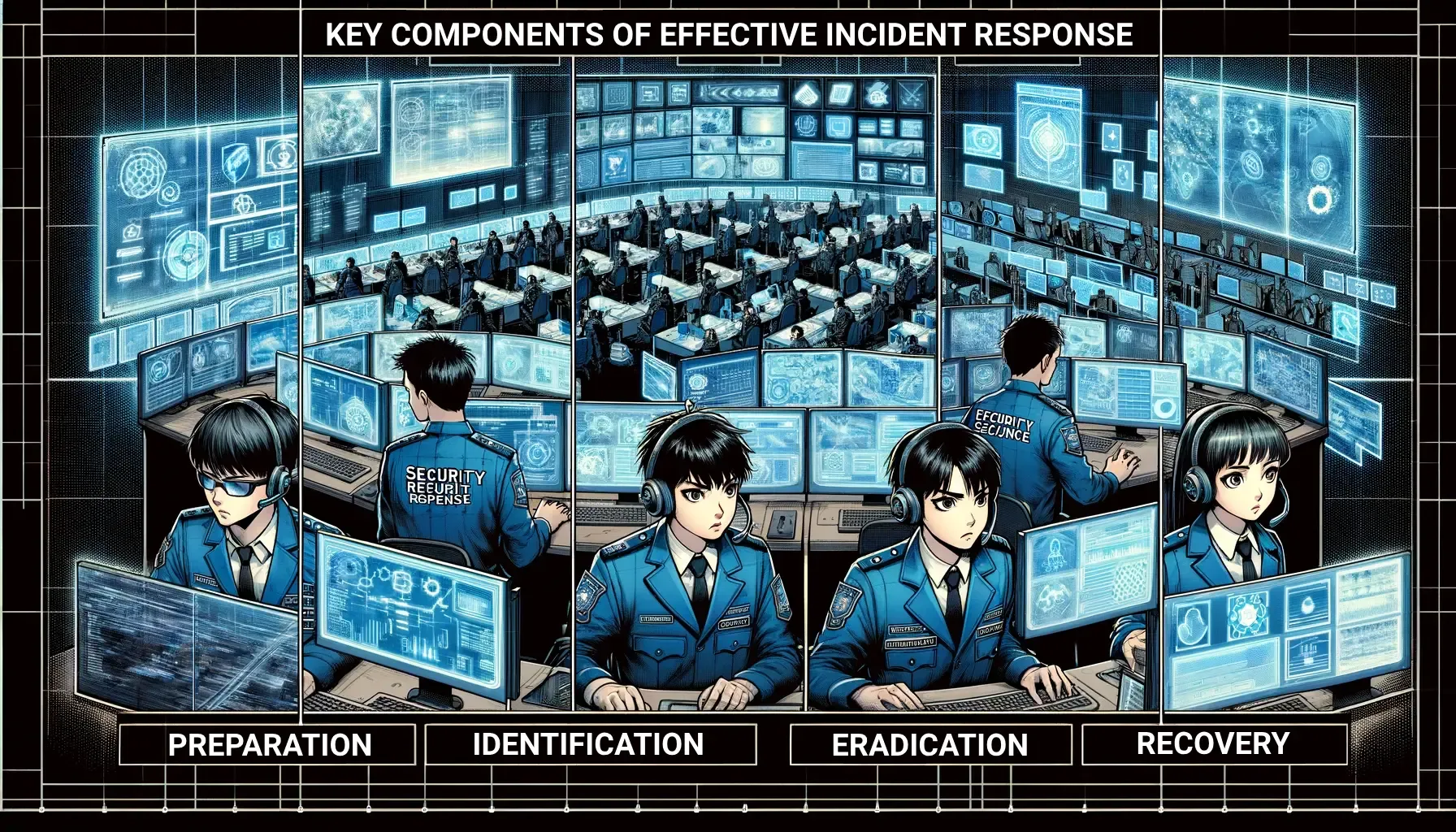
Incident response plans are structured approaches outlining the processes and procedures an organisation should follow when a security incident occurs. These plans typically include preparation, detection, analysis, containment, eradication, recovery, and lessons learned. By having a clear IRP in place, companies can respond efficiently to incidents, reducing the downtime and costs associated with such events.
Recent Developments in Incident Response Planning
Recent events have highlighted the importance of comprehensive incident response strategies. For instance, the Cybersecurity & Infrastructure Security Agency (CISA) has reported an increase in ransomware attacks targeting critical infrastructure. In response, many organisations have begun to reassess and enhance their IRPs to address these evolving threats. Notably, organisations are incorporating more collaborative approaches that involve cross-departmental teams, ensuring that IT, legal, communication, and management personnel work together during an incident.
Furthermore, the introduction of automated incident response tools has gained traction. These technologies can help streamline detection and response efforts, allowing teams to react more swiftly and efficiently to threats, ultimately minimising potential damages.
Conclusion
As cyber threats continue to grow in complexity and frequency, maintaining an effective incident response plan is essential for all organisations. The significance of IRPs extends beyond just protecting data; they are crucial for preserving an organisation’s reputation and operational capability. By investing in robust incident response strategies, organisations can enhance their overall resilience against future incidents. Looking ahead, it is likely that more companies will adopt sophisticated incident response protocols, including training and simulations, to prepare their teams for real-time threat scenarios. The proactive approach of continuously updating and refining IRPs will serve as a cornerstone for security in the ever-evolving digital landscape.