








Introduction to Ramadan
Ramadan is a significant month in the Islamic calendar, observed by millions of Muslims around the world. It is a time for spiritual reflection, increased devotion, and worship. As a period of fasting, prayer, and community, Ramadan holds profound importance not only for individual growth but also for communal solidarity and understanding across cultures.
What is Ramadan?
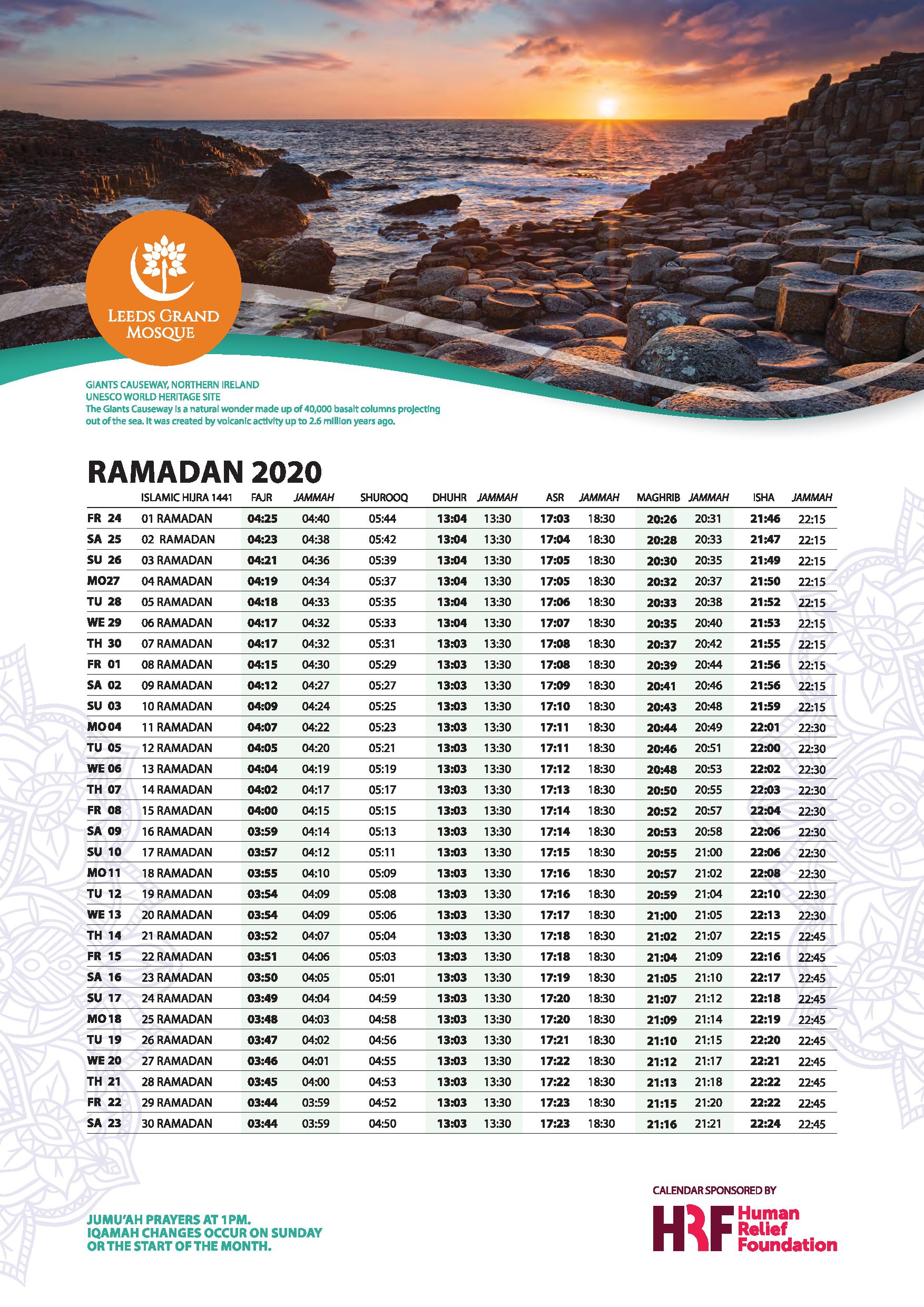
Ramadan is the ninth month of the Islamic lunar calendar and commemorates the month in which the Quran was first revealed to the Prophet Muhammad. Beginning with the sighting of the new moon, Ramadan lasts 29 to 30 days, depending on the lunar cycle. Muslims around the globe engage in fasting from dawn until sunset, refraining from food, drink, smoking, and marital relations during daylight hours.
Significance of Fasting
The fast, known as ‘Sawm’, is one of the Five Pillars of Islam, which are the foundational acts of worship and the framework for a Muslim’s life. Fasting serves multiple purposes: it teaches self-discipline, encourages empathy for the less fortunate, and fosters a sense of community. During Ramadan, individuals are encouraged to increase their charitable activities, known as ‘Zakat’, which involves giving to those in need.
Ramadan Practices
Beyond fasting, Ramadan encompasses additional acts of worship, such as nightly prayers known as ‘Taraweeh’, which are performed in congregation. These prayers consist of the recitation of the Quran, allowing believers to deepen their connection to their faith. The month culminates in the celebration of ‘Eid al-Fitr’, a festival that marks the end of fasting, featuring communal prayers, festive meals, and the giving of gifts.
Community and Global Observance
As Ramadan approaches, communities often come together to share pre-dawn meals called ‘Suhoor’ and break their fasts at sunset with ‘Iftar’. This communal aspect helps strengthen bonds between friends, families, and neighbours, regardless of their backgrounds. Furthermore, Ramadan has garnered global recognition, with non-Muslims often participating in events and Iftar meals to promote understanding and respect among diverse cultures.
Conclusion
With the essence of Ramadan rooted in spiritual growth, compassion, and community, it serves as a reminder for Muslims to cultivate kindness and goodwill. The month presents an opportunity for both personal reflection and communal harmony. As society continues to evolve, the importance of understanding and respecting Ramadan remains ever significant, fostering a culture of dialogue and acceptance among different communities around the world.