









Introduction
The respiratory syncytial virus (RSV) is a highly contagious virus that significantly impacts public health, especially among infants and the elderly. Recent advancements in the development of the RSV vaccine are crucial as they promise to mitigate the high rates of hospitalisation and severe complications associated with this virus. As RSV remains a leading cause of respiratory illness in children under the age of two, the introduction of a safe and effective vaccine could revolutionise the way we approach viral infections.
Current Developments
In September 2023, the US Food and Drug Administration (FDA) approved the first RSV vaccine designed for adults aged 60 and older. This vaccine, created by pharmaceutical company Pfizer, has shown an efficacy rate of approximately 75% in preventing serious RSV infections. Furthermore, it is expected to be a game-changer for the vulnerable elderly population, who often experience severe outcomes from such infections.
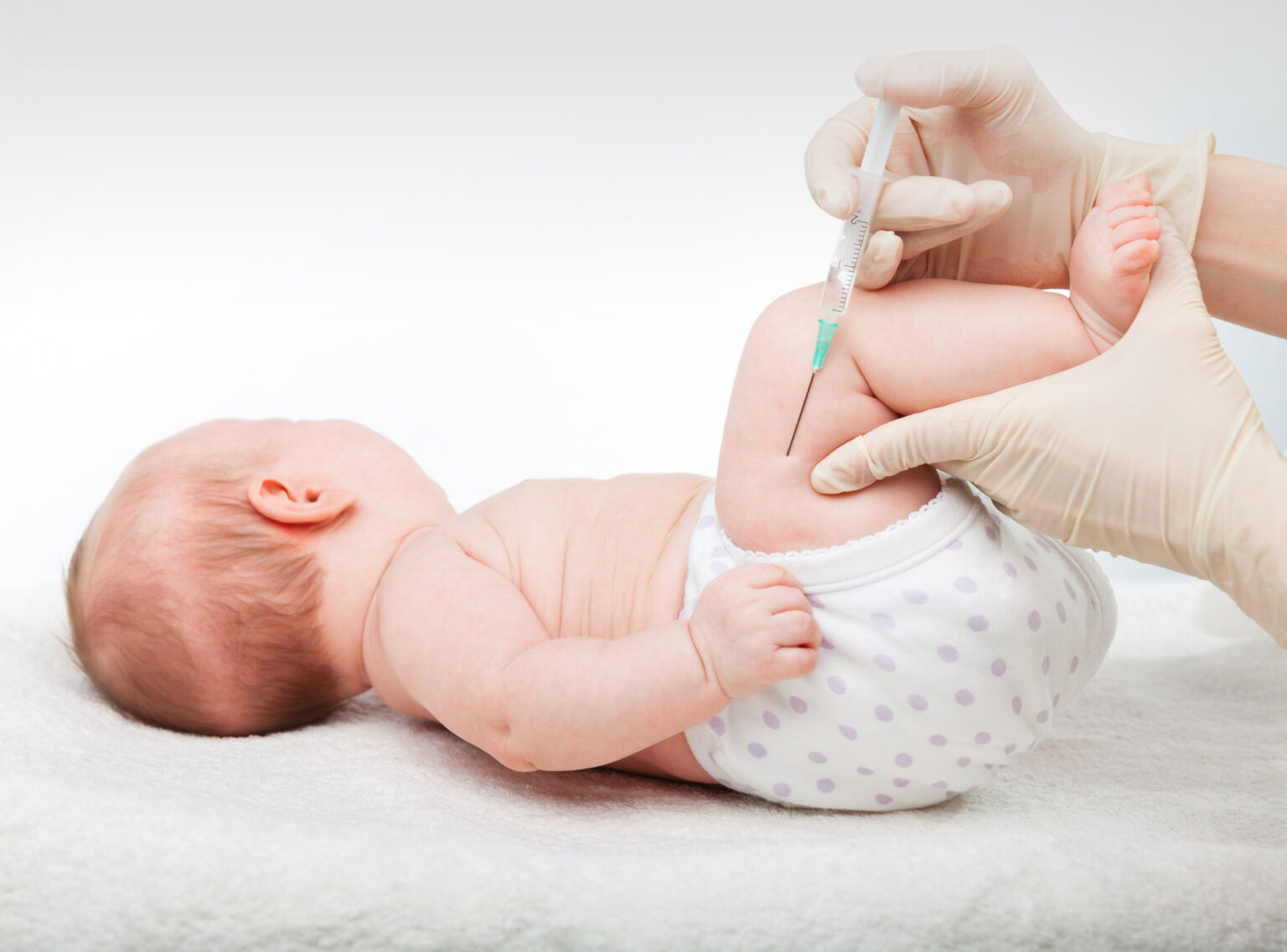
Moreover, research is underway for a paediatric version of the RSV vaccine. Several clinical trials are currently evaluating the safety and efficacy of various formulations aimed at protecting infants and young children. These initiatives are bolstered by the urgency of preventing RSV-related hospitalisations, which currently place an immense strain on healthcare systems during peak seasons.
Impact on Public Health
The introduction of the RSV vaccine has the potential for broader implications on public health. Healthy Workforce Initiatives have highlighted that reducing RSV infections can lead to fewer days off work for caregivers, ultimately boosting productivity. Additionally, healthcare costs associated with treating serious RSV infections can be substantial—estimated to be billions annually in the United States alone. Therefore, the success of RSV vaccination programmes could result in significant healthcare savings.
Conclusion
The RSV vaccine is a promising advancement in combating respiratory infections, especially among high-risk populations. As it becomes more widely available, public health experts foresee a reduction not only in the incidence of RSV but also in related healthcare burdens. Ongoing research into vaccines tailored for children will further enhance this protective advantage. The urgency for vaccination against RSV cannot be overstated, making awareness and accessibility of the RSV vaccine critical for communities across the globe.