









Introduction
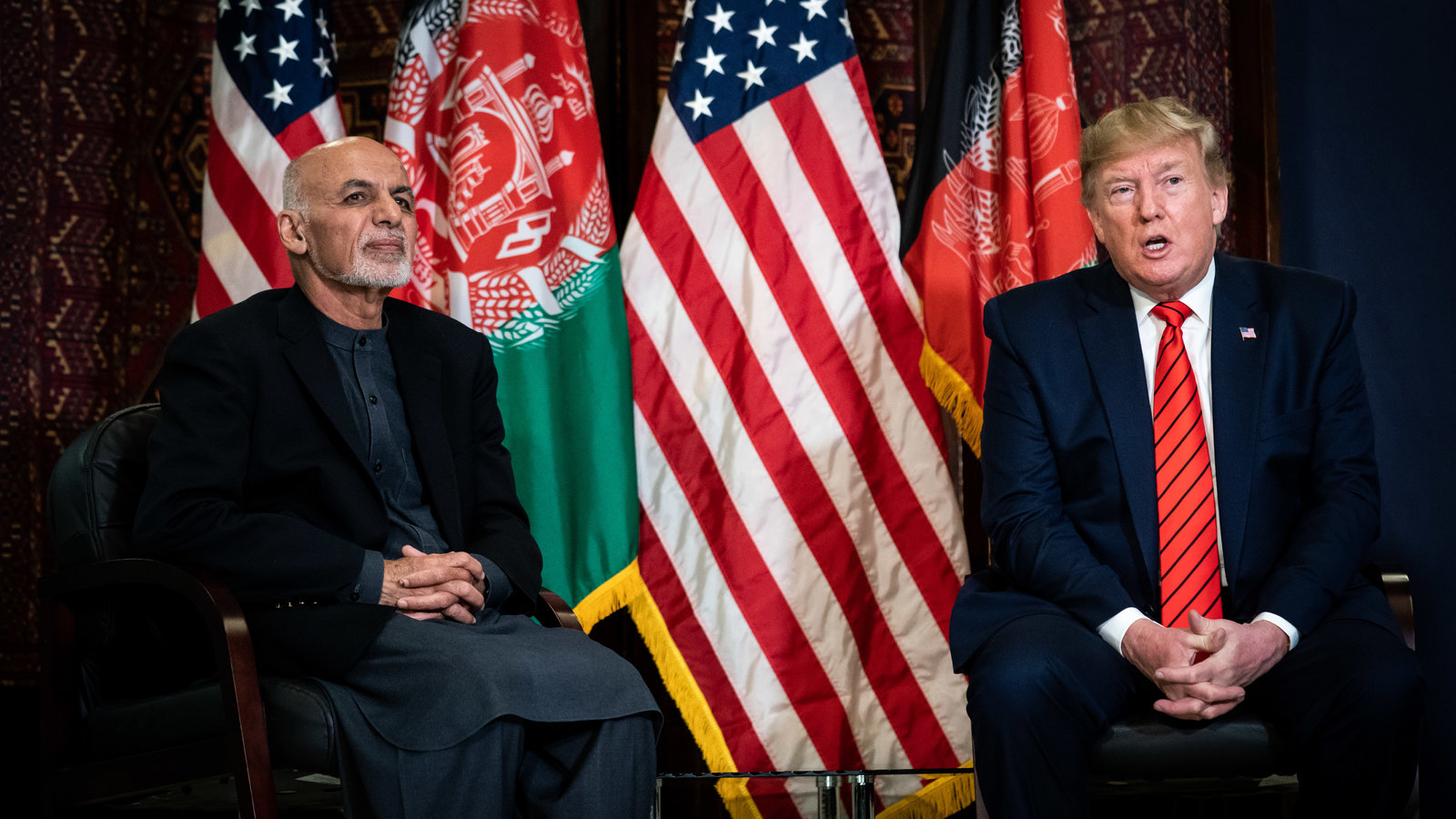
The decision by former President Donald Trump to withdraw U.S. troops from Afghanistan marked a significant turning point in American foreign policy. The implications of this decision are profound, not only for the stability of Afghanistan but also for geopolitical dynamics in South Asia. As the U.S. moves forward from two decades of military engagement, understanding the context and consequences of this withdrawal remains crucial.
Details of the Withdrawal Plan
In February 2020, the Trump administration signed a historic agreement with the Taliban in Doha, Qatar, aimed at bringing peace to Afghanistan. The accord stipulated a conditional withdrawal of U.S. forces, contingent on the Taliban’s commitment to counter-terrorism efforts and reduction of violence. By August 2021, the administration had set in motion plans to withdraw almost all American troops, culminating in a chaotic evacuation as the Taliban took control of Kabul. This rapid shift raised questions about the future of Afghanistan and the fate of its citizens, especially women and minorities.
Reactions and Consequences
The withdrawal was met with mixed reactions globally. Proponents hailed it as a necessary step to end America’s longest conflict, advocating for a focus on domestic issues. Critics, however, argued it could lead to a resurgence of terrorism and human rights abuses under Taliban rule. Reports following the withdrawal indicated increased violence, with the Taliban re-establishing strict controls and reverting many gains made in the last two decades regarding freedoms and rights.
Long-Term Significance
The legacy of Trump’s Afghanistan policy is still unfolding as the situation in the country evolves. The withdrawal has reignited debates over U.S. interventionist policies, the effectiveness of military solutions to root political issues, and the need for a comprehensive foreign policy strategy that includes diplomatic, humanitarian, and economic considerations. For local citizens, the outcomes are dire, with many now living under fear of repression and instability.
Conclusion
As the global community watches the developments in Afghanistan, the long-term ramifications of Trump’s withdrawal will likely continue to be felt across the region. The situation poses significant lessons for future U.S. foreign policy, prompting a reassessment of how to engage with complex global issues. The importance of a balanced approach that prioritises not only national security but also human rights and regional stability cannot be overstated as we move forward.