








Introduction
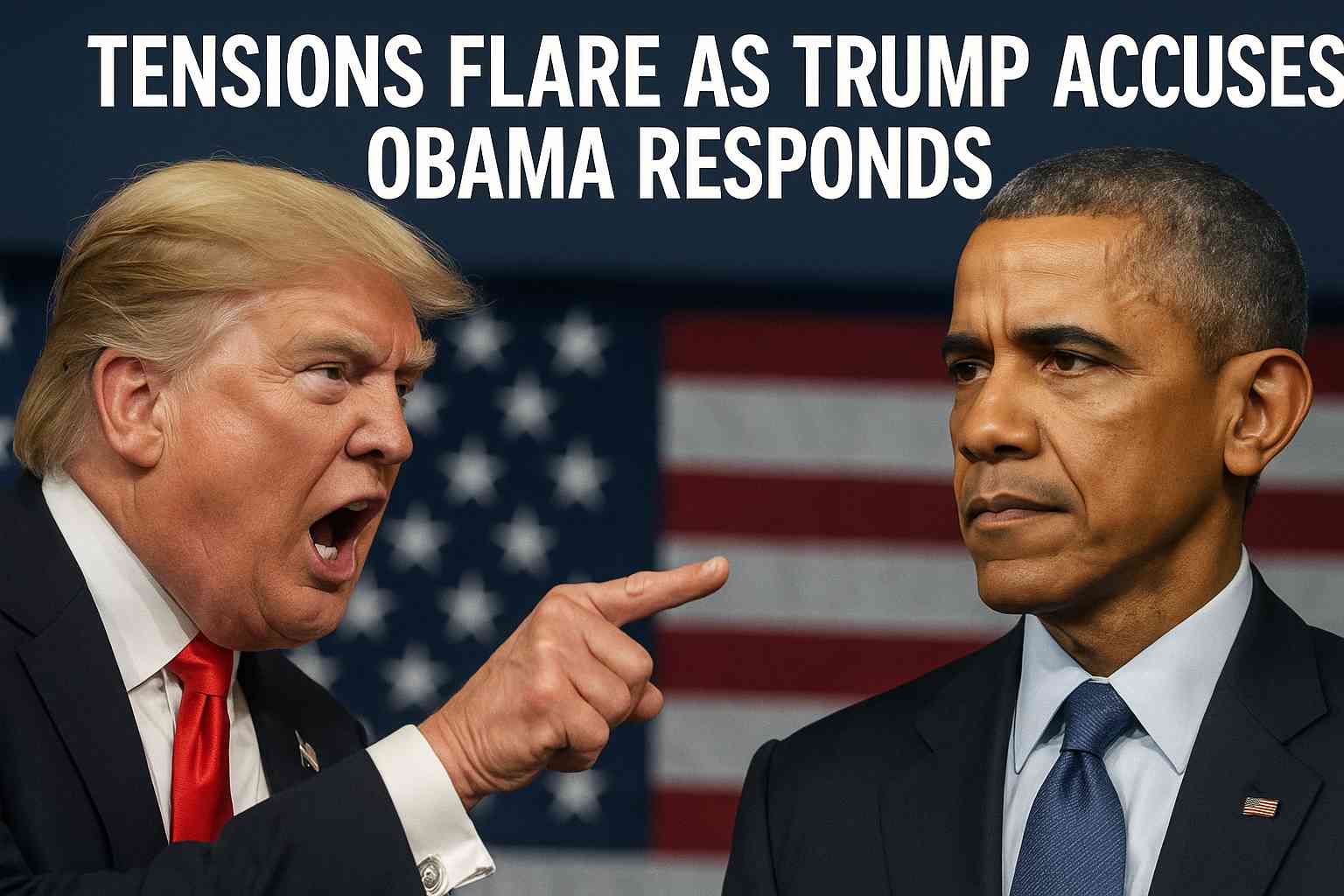
The political landscape of the United States has been profoundly shaped by the presidencies of Donald Trump and Barack Obama. These two leaders, representing different ideologies and approaches, have left indelible marks on the nation’s policies and public discourse. Understanding their legacies is crucial in parsing contemporary political dialogue and mile markers of American socio-political evolution.
Trump’s Presidency
Donald Trump served as the 45th President of the United States from January 20, 2017, to January 20, 2021. His tenure was marked by significant controversy and polarisation within American society. Policies such as immigration reform, the America First economic agenda, and foreign policy shifts, including withdrawing from the Paris Climate Agreement, were key features of his governance. Supporters praised his tax cuts and deregulation efforts, arguing that these led to economic growth. However, critics pointed to his administration’s handling of social issues and the COVID-19 pandemic as detrimental to public health and social cohesion.
Obama’s Presidency
Barack Obama, on the other hand, was the 44th President, serving from January 20, 2009, to January 20, 2017. He is often celebrated for his landmark achievements, such as the Affordable Care Act (ACA) and efforts to revive the economy following the Great Recession. Obama’s presidency was characterised by a focus on social equity, international diplomacy (as demonstrated by the Iran nuclear deal), and advancing renewable energy policies. Nevertheless, his administration also faced criticism, particularly regarding foreign interventions and the perceived inability to bridge deepening political divides.
Contrasting Legacies
The legacies of Trump and Obama present a stark contrast in American politics. While Obama promoted a message of inclusivity and change, Trump campaigned on a platform of nationalism and populism. This dichotomy has intensified divides within the electorate, influencing party loyalty and voter turnout. Polls indicate that Americans have increasingly aligned their views along ideological lines, reflecting broader cultural battles within the country.
Conclusion
The political effects of both Donald Trump and Barack Obama will likely be felt for decades. Their contrasting leadership styles and policy priorities continue to influence current events, party dynamics, and voter sentiments. As the United States moves forward, understanding the implications of their presidencies is integral to anticipating future political trends and challenges. The ongoing debates surrounding their legacies serve as a reminder of the complexity of governance and the importance of informed citizen participation in democracy.