









Introduction
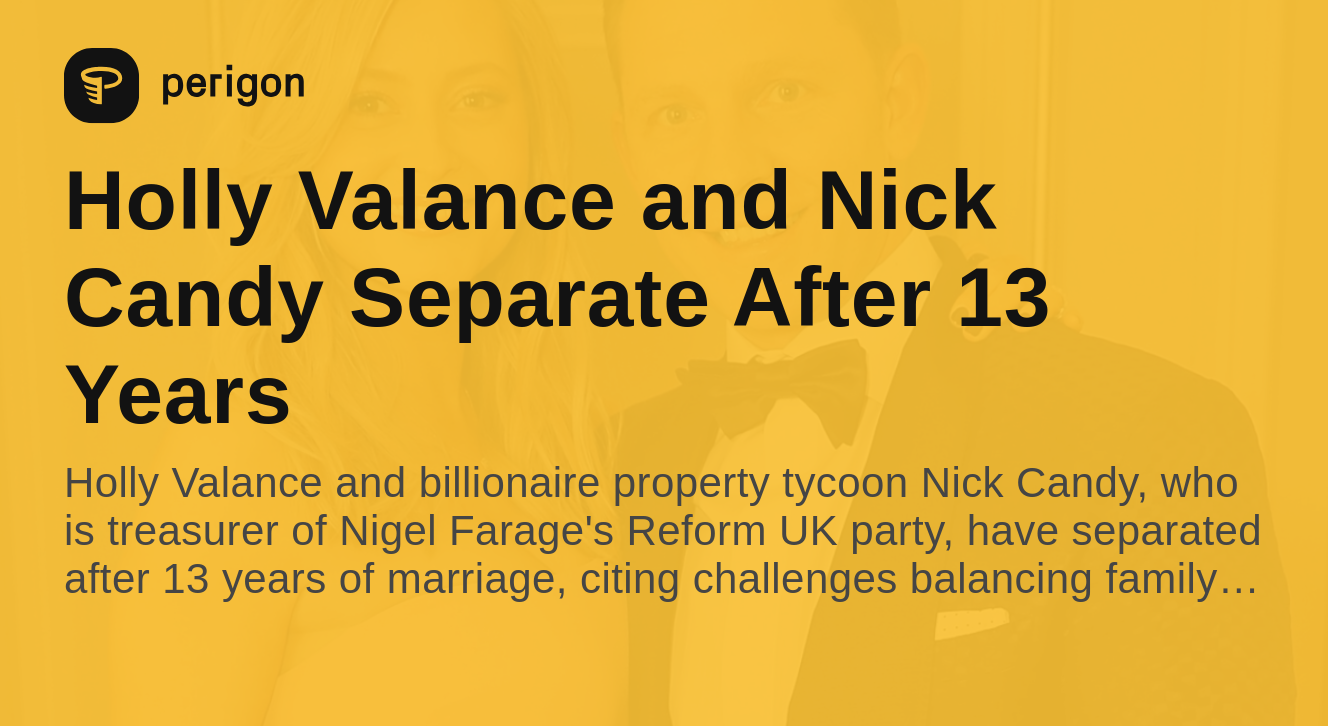
Nick Candy, a prominent British property developer and entrepreneur, has made significant waves in the real estate sector, especially in the UK. His innovative approach and luxurious property ventures have not only redefined high-end living but also impacted broader investment trends in the housing market. As the UK economy begins to stabilise post-pandemic, understanding Nick Candy’s influence on real estate becomes increasingly relevant for investors and homeowners alike.
Recent Developments
Nick Candy co-founded Candy & Candy, a luxury property development company, with his brother Christian Candy. They gained recognition for their high-profile projects, including the transformation of the One Hyde Park development into a prestigious address for affluent buyers. Recently, the company has been involved in various ambitious projects, ranging from posh luxury apartments to mixed-use developments in the heart of London.
In a more recent announcement, Candy has shared plans for a new landmark residential scheme in Chelsea that aims to set a new standard for luxury living. The project promises cutting-edge technology integrated into the amenities and living spaces, such as advanced sustainability features and bespoke design elements tailored to the high-net-worth individuals that the Candy brand attracts.
Market Influence and Trends
Under Nick Candy’s guidance, the UK luxury property market has seen a resurgence, particularly in central London. His ability to tap into consumer desires for opulence and unique experiences has propelled other developers to adopt similar strategies. The shift towards increasingly luxurious apartments demonstrates a growing demand for premium living environments, particularly among foreign investors and domestic elites.
Current economic indicators suggest a gradual recovery in the UK property market. With inflation concerns easing and a stabilising interest rate environment, now may be an opportune time for investors considering high-end residential real estate. Candy’s ventures signal an enduring confidence in this segment, which could serve as a barometer for broader market resilience.
Conclusion
Nick Candy’s contributions to the real estate landscape signify more than just luxury developments; they reflect changing consumer preferences in property investment. As the UK market navigates recovery challenges, insights from Candy’s ambitious projects can guide potential investors seeking lucrative opportunities. With ongoing investment in high-end real estate, the future appears promising for the UK property industry, influenced significantly by forward-thinking figures like Nick Candy.