









Introduction
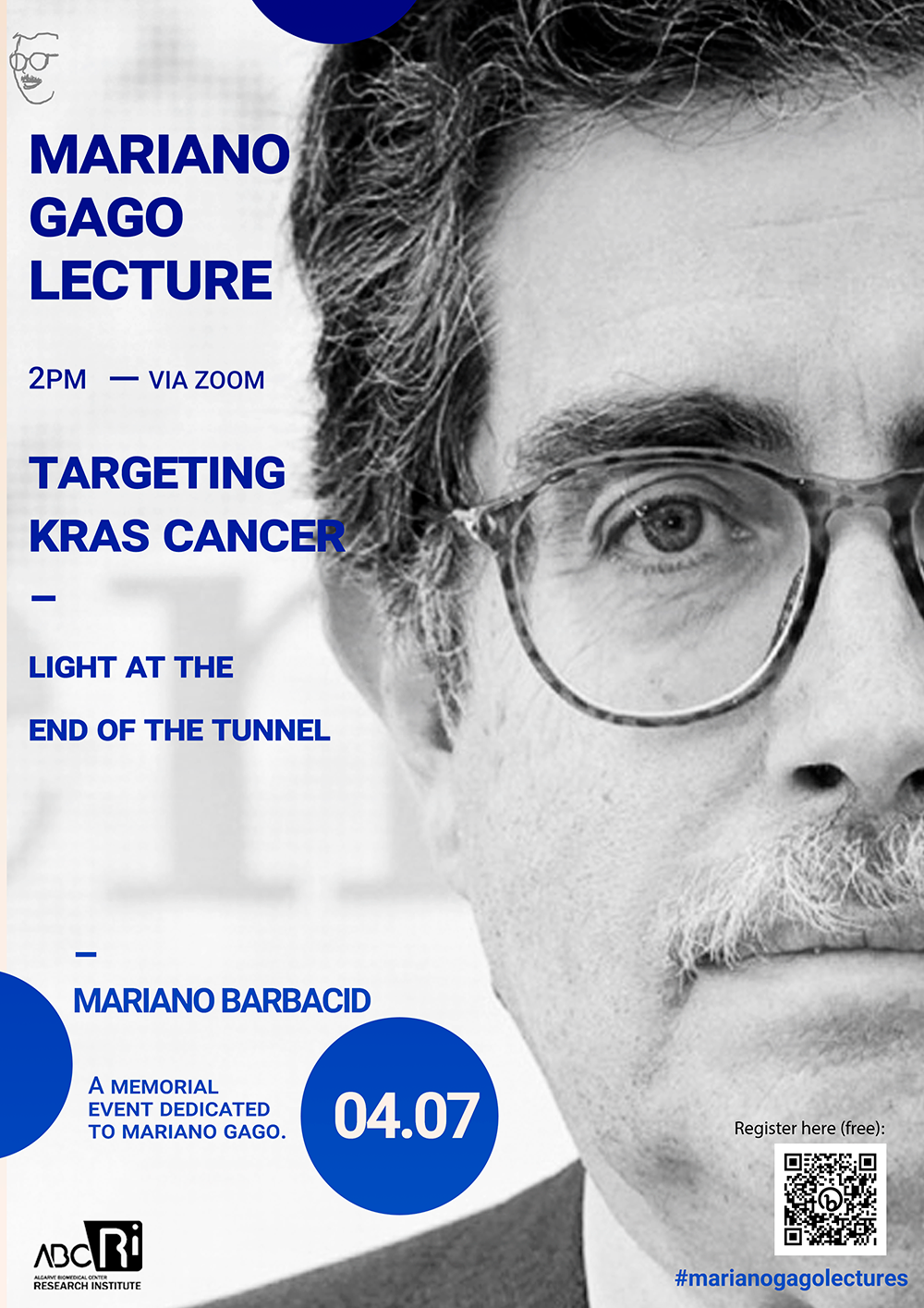
Mariano Barbacid is a prominent name in the field of cancer research, known for his groundbreaking work in molecular oncology. His research has not only advanced our understanding of cancer biology but has also paved the way for developing targeted therapies that have changed the landscape of cancer treatment. With an increasing global focus on cancer as a leading health issue, Barbacid’s contributions are more relevant than ever.
Key Contributions
Barbacid was the first to identify the oncogene, which plays a crucial role in the development of various cancers. This discovery in the early 1980s revealed how mutations in specific genes could lead to uncontrolled cell growth, forming the basis of what we know today about cancer genetics. His pioneering work on the RAS oncogene has been fundamental, contributing to the understanding of how certain proteins regulate cell division and the implications when they malfunction.
Research Focus and Achievements
Over the years, Barbacid has held several prestigious positions, including director of the National Centre for Cancer Research (CNIO) in Spain, where he has fostered a vibrant environment for both basic and applied cancer research. His leadership has been instrumental in building collaborative networks that enhance research quality and efficacy. Furthermore, Barbacid has published numerous influential papers, advancing knowledge on cancer treatment and therapies aimed at specific genetic alterations.
Recent Developments
In recent months, Barbacid’s lab has unveiled new findings related to the genetic drivers of pancreatic cancer. His team identified a novel mutation linked to drug resistance in this aggressive form of cancer, highlighting potential avenues for more effective treatment strategies. As global cancer statistics show an alarming rise in incidences, especially of pancreatic cancer, Barbacid’s current work may hold the key to improving patient outcomes significantly.
Conclusion
The significance of Mariano Barbacid’s research is multidimensional; it not only shifts our understanding of cancer but also offers hope for more effective treatments for patients worldwide. With ongoing advancements and a keen focus on genomic studies, cancer research is at a promising precipice. As we move forward, the legacy of Barbacid will undoubtedly influence future generations of cancer research and therapy development, driving the fight against one of humanity’s most formidable health challenges.