








Introduction
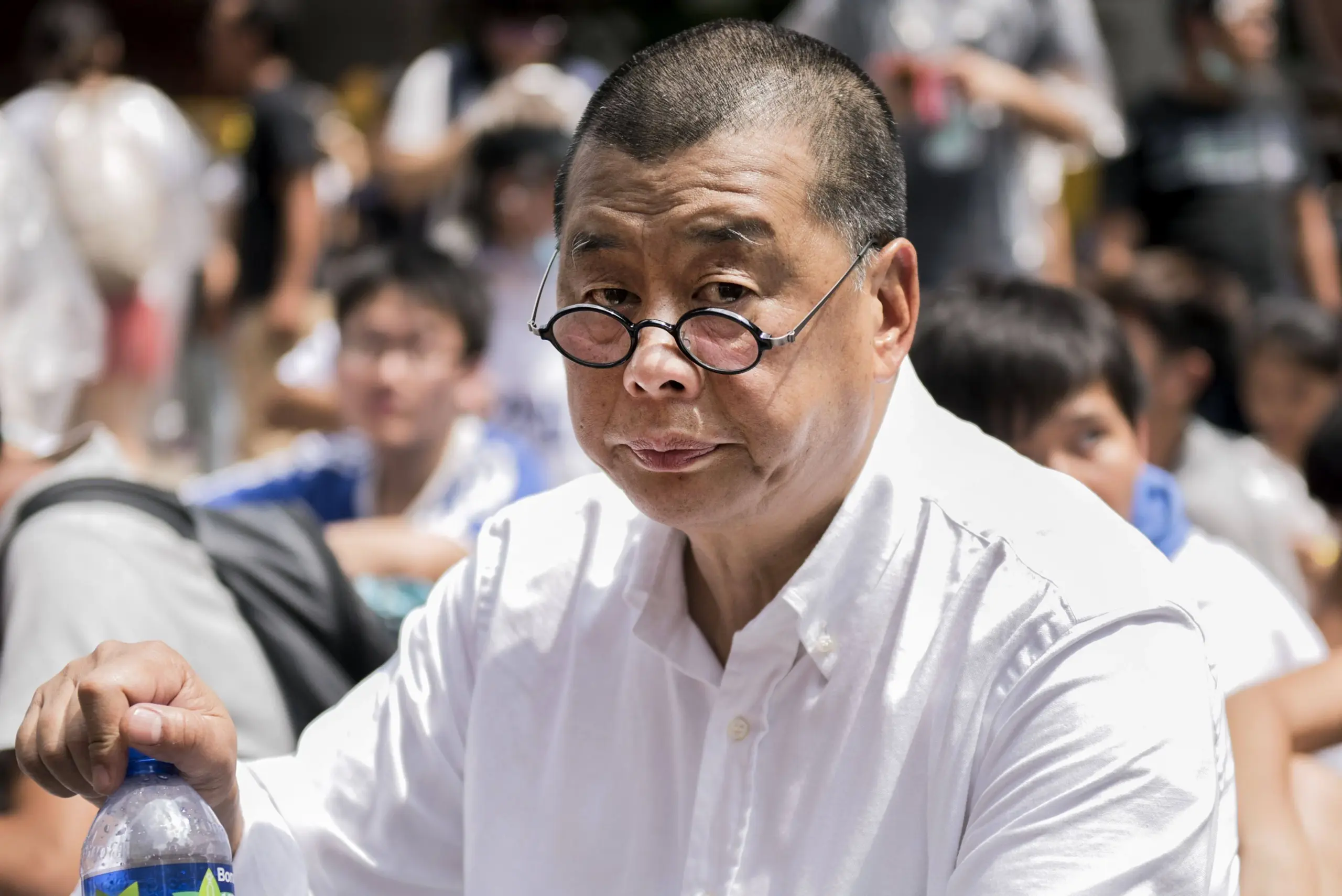
Jimmy Lai, a prominent Hong Kong media tycoon and pro-democracy activist, has become a symbol of the struggle for freedom of expression in Hong Kong. His case has raised international awareness about the challenges faced by media professionals in the region, particularly in light of increasing crackdowns on dissent and press freedom under the Beijing administration. As the world watches, Lai’s situation highlights the ongoing tensions between Hong Kong’s autonomy and the Chinese government’s influence.
Background
Jimmy Lai founded the influential newspaper, Apple Daily, in 1995, which became a thorn in the side of the Chinese Communist Party due to its staunch pro-democracy stance. Under Lai’s leadership, the publication was known for its bold criticism of government policies and support for the pro-democracy movement. However, following the implementation of the national security law in June 2020, Lai was arrested under charges of collusion with foreign forces, sparking outrage among supporters of press freedom.
Current Events
Recently, Lai was sentenced to five years and nine months in prison for fraud related to a rental dispute involving his media company, Next Digital. Following this, additional charges under the national security law are expected to be pursued, which could extend his imprisonment significantly. The international community, including the United States and human rights organisations, have condemned Lai’s sentencing, calling it politically motivated, and have called for his immediate release. His case is seen as part of a broader pattern of suppression of dissenting voices in Hong Kong.
Significance and Future Outlook
Jimmy Lai’s plight is not just about one individual; it encapsulates the wider struggle for democracy and human rights in Hong Kong. His arrest and the subsequent actions against his media outlets have instilled fear among journalists, leading many to practice self-censorship. As the situation develops, experts predict that further international pressure will mount on Beijing, particularly from Western nations, to uphold human rights standards. However, Beijing has shown little willingness to comply with such demands, making the future of press freedom in Hong Kong increasingly uncertain.
Conclusion
The story of Jimmy Lai serves as a crucial reminder of the sacrifices made by individuals fighting for political freedoms and press independence in oppressive regimes. As the international community continues to rally for his cause, the situation remains pivotal in shaping the narrative surrounding Hong Kong’s future and its relationship with mainland China. The severity of Lai’s charges may deter future activists, but they also galvanise support for the pro-democracy movement. The world watches closely as this critical chapter unfolds in Hong Kong’s ongoing struggle for freedom.