








Introduction
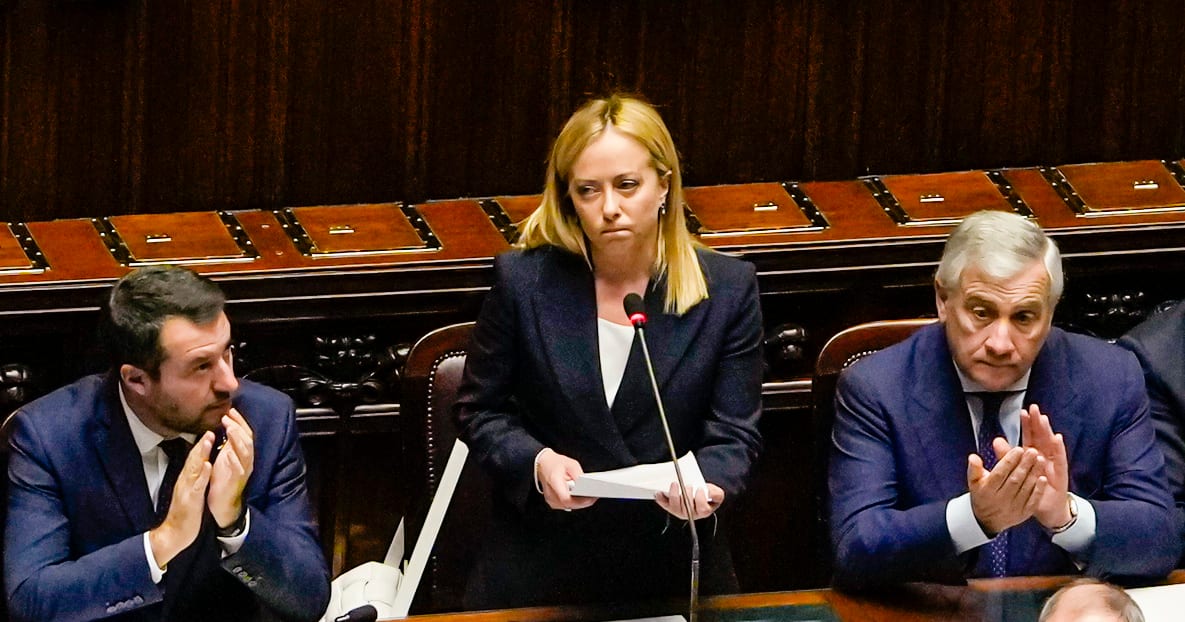
Giorgia Meloni, the leader of the Brothers of Italy party, has emerged as a significant figure in the Italian political landscape. Her ascent to power reflects shifting dynamics in Italy’s political arena, particularly amid economic challenges and societal shifts. Understanding her policies and their implications is essential for anyone observing contemporary European politics.
Background and Rise to Prominence
Giorgia Meloni was born in 1977 in Rome and became politically active at a young age, joining the youth wing of the Italian Social Movement, a party with post-fascist roots. Throughout her career, she has been vocal about her nationalist and conservative ideals. In the Italian general election of September 2022, her party, Brothers of Italy, won a historic victory, making her the first female Prime Minister of Italy. This significant milestone has not only changed the gender dynamics in Italian politics but has also set a precedent within the European context.
Policy Initiatives and Challenges
Upon taking office, Meloni focused on several key areas, including immigration, economic stability, and national sovereignty, signalling a shift towards more right-wing policies. Her administration aims to tighten immigration controls, reflecting growing public concerns about migration in Italy. Additionally, Meloni has pledged to address Italy’s economic hurdles, including high inflation and public debt, by promoting business-friendly policies.
However, her government faces considerable challenges, including criticism over its handling of social issues and tensions within the coalition government. Italy’s estimated economic recovery lags behind other European nations, making fiscal strategies a top priority for Meloni’s administration. Analysts are keenly observing how her government balances economic reforms with social policies.
Conclusion and Future Outlook
The rise of Giorgia Meloni marks a pivotal moment in Italian politics, showcasing a preference among voters for right-wing policies amidst economic uncertainty. As she navigates complex socio-economic landscapes, her decisions will inevitably shape both national and European politics.
With the European Union closely monitoring Italy’s approach to challenges like migration and economic resilience, Meloni’s leadership may prove influential on broader EU policies. Future elections and policy shifts in Italy will be vital for understanding the true impact of Meloni’s governance, particularly in a continent that grapples with its own identity and cohesion.