









Introduction
Norovirus is a highly contagious virus and a leading cause of gastroenteritis worldwide. Its relevance escalates particularly during the winter months when outbreaks are more common. Understanding norovirus, its transmission methods, and prevention strategies is essential for public health, especially as communities face challenges in managing outbreaks.
Current Outbreaks and Statistics
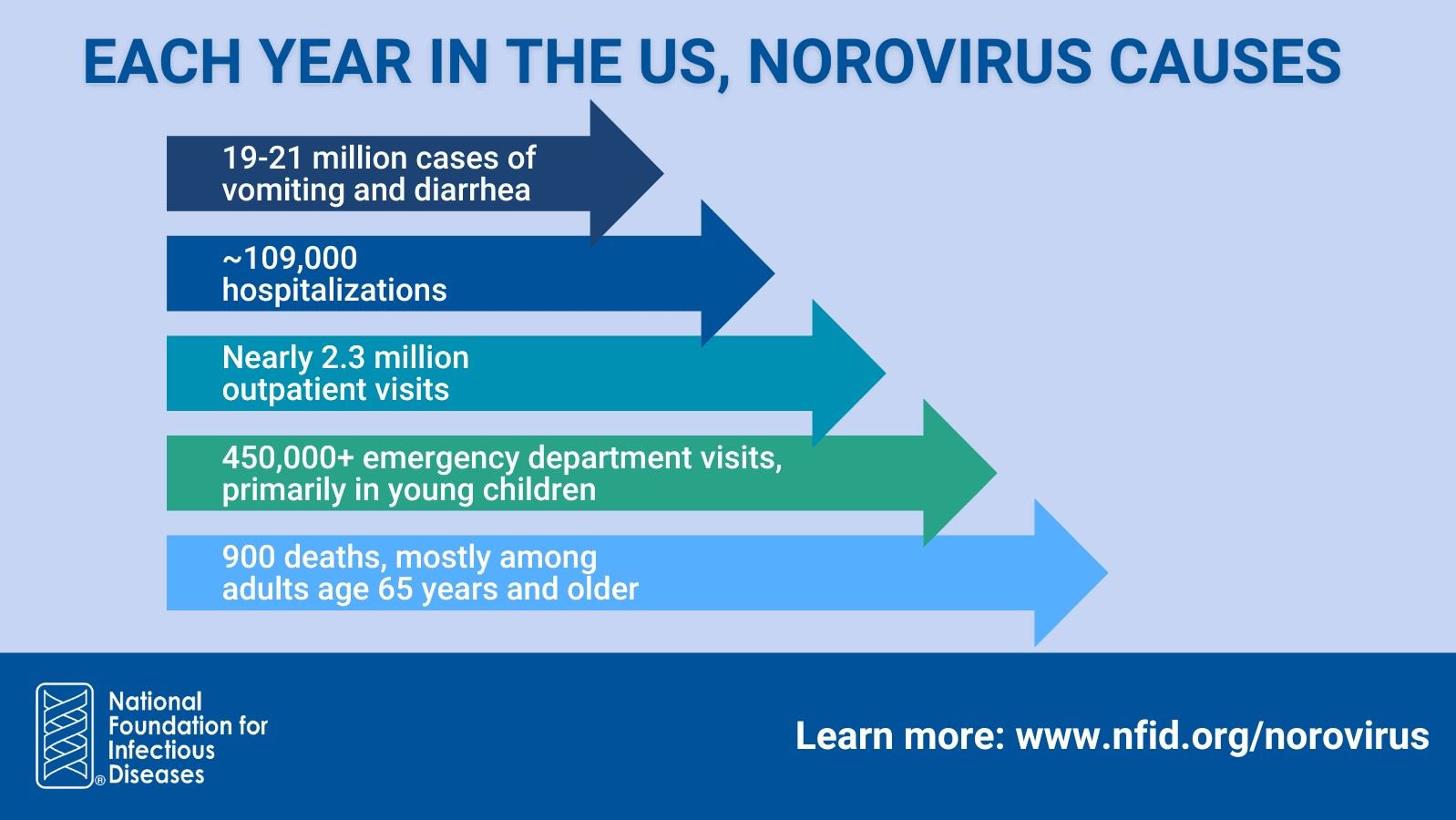
According to the Centers for Disease Control and Prevention (CDC), norovirus causes an estimated 19 to 21 million cases of illness in the United States alone each year. Recent reports in the UK indicate a rise in cases, with hospitals and care homes being hit particularly hard. In Scotland, health officials have noted a significant increase in cases this winter, urging the public to adhere to strict hygiene practices.
Transmission and Symptoms
Norovirus primarily spreads through contaminated food and water, surfaces, and close contact with infected persons. Symptoms often manifest within 12 to 48 hours post-exposure and include severe stomach pain, vomiting, diarrhoea, and nausea. While the illness is typically self-limiting, it can lead to severe dehydration, especially in vulnerable populations such as the elderly and young children.
Prevention Measures
Preventing norovirus infections entails rigorous hand hygiene, including washing hands thoroughly with soap and water after using the toilet and before eating or preparing food. Health authorities recommend sanitising surfaces that may have come into contact with the virus, especially in places like schools, restaurants, and nursing homes. In the face of ongoing outbreaks, public health officials stress the importance of avoiding unwell individuals and staying home when symptomatic to prevent further spread.
Conclusion
The ongoing monitoring and public education concerning norovirus outbreaks are vital in mitigating its impact. As awareness grows and preventive measures are employed, communities can better protect themselves against this highly contagious virus. The significance and implications of norovirus extend beyond individual health, marking a crucial public health concern that requires collective action to contain its spread.