









Introduction
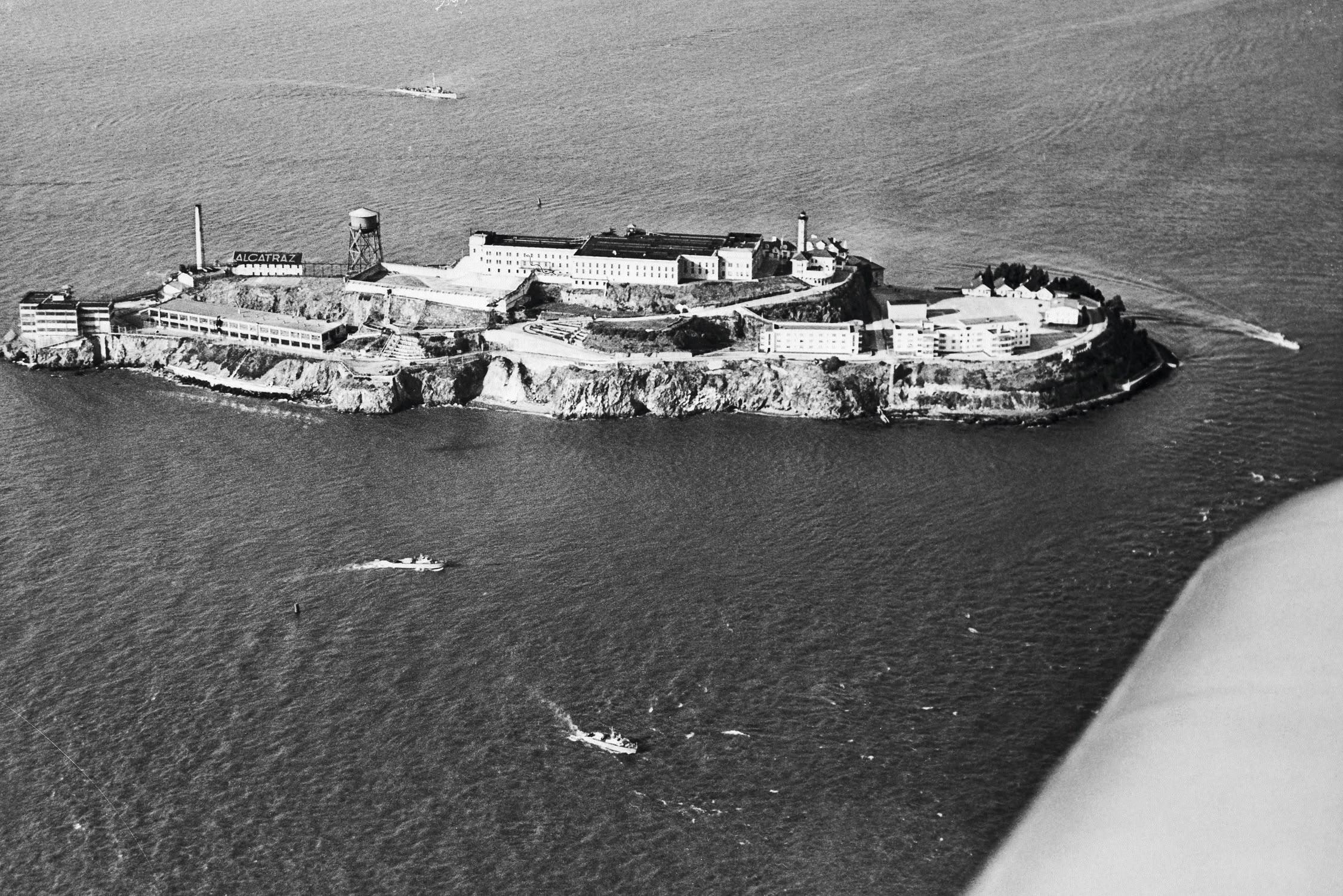
Alcatraz Island, famously known for its former prison, remains a symbol of the law enforcement and penal culture in the United States. Located in San Francisco Bay, Alcatraz is steeped in history, notorious for housing some of the most infamous criminals. Understanding the legacy of Alcatraz is crucial as it offers insights into America’s criminal justice system and the societal issues surrounding incarceration.
The Rise of Alcatraz
Originally home to a lighthouse and military fortification in the mid-19th century, Alcatraz transitioned into a federal prison in 1934. The prison’s isolated location was perceived as an ideal setting to hold the most dangerous offenders, including the likes of Al Capone and Robert Stroud, famously known as the “Birdman of Alcatraz.” The prison operated until 1963, emphasizing strict discipline and a challenging environment.
Key Events and Facts
Throughout its operational years, Alcatraz witnessed numerous escape attempts, with the most famous being the 1962 escape orchestrated by Frank Morris and the Anglin brothers. This daring bid saw them craft makeshift rafts and dummy heads to elude guards. Following their disappearance, an extensive search was carried out, but the men were never found, adding to the prison’s mystique. Additionally, Alcatraz was the site of significant inmate rebellions and protests regarding prison conditions, highlighting the social challenges faced by inmates.
Conclusion and Current Relevance
Though Alcatraz was closed in 1963, its legacy continues to influence discussions about the American penal system. Today, the island serves as a historic site, attracting over 1.5 million visitors annually, keen to explore its historical significance and learn about its controversial past. Furthermore, Alcatraz’s narrative invites broader conversations around prison reform, rehabilitation, and criminal justice policy, making it a relevant topic in contemporary society. The enduring fascination with Alcatraz echoes the complexity of crime and punishment, and the ongoing quest for justice in America.