








Introduction
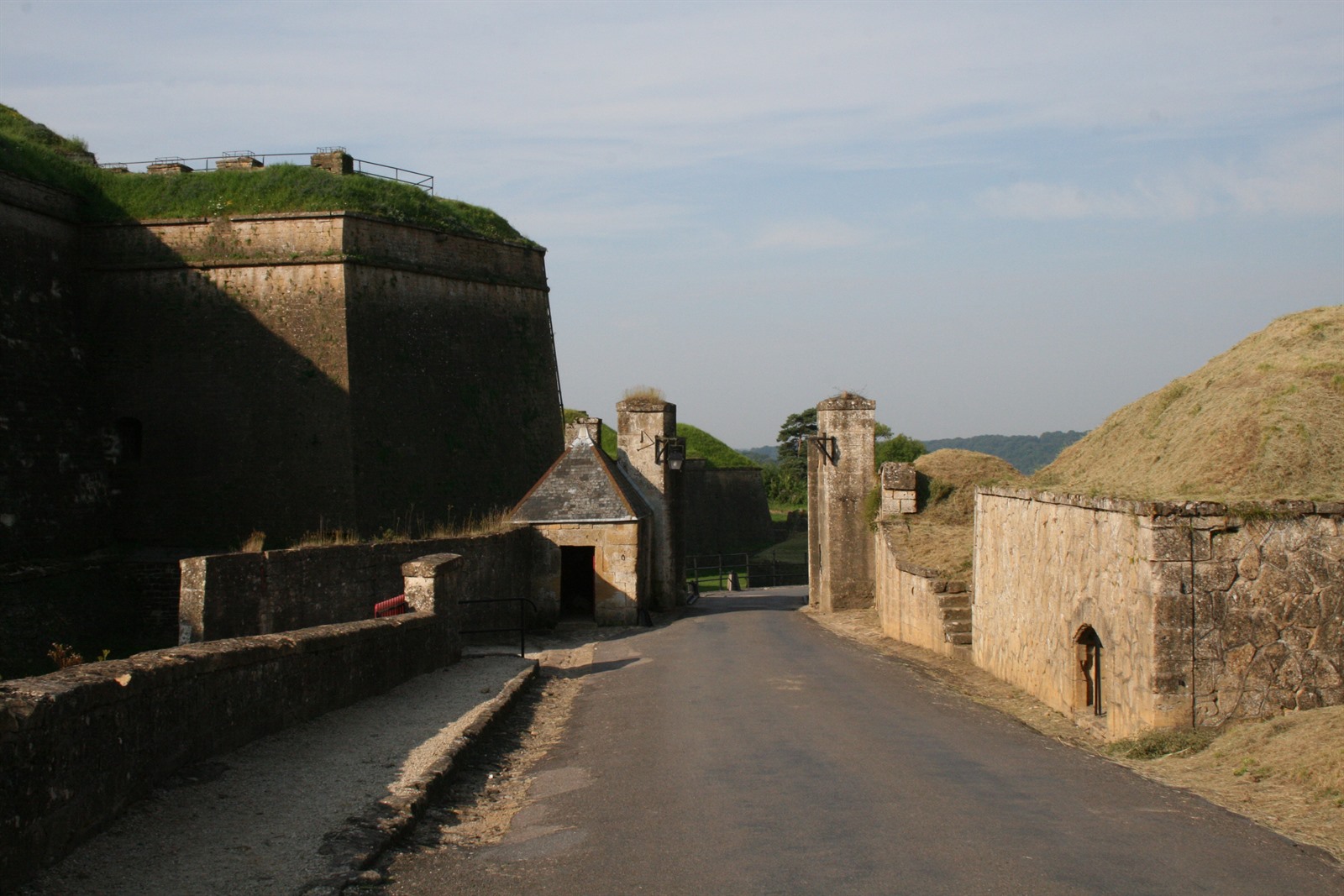
Verdun, a small town in northeastern France, holds immense historical significance, particularly known for the Battle of Verdun during World War I. This battle is considered one of the longest and most grueling in military history, symbolising the horrors of war and the resilience of the human spirit. Understanding Verdun’s relevance today offers insights into historical memory and its impact on contemporary discussions about conflict and reconciliation.
The Battle of Verdun
The Battle of Verdun took place from February to December 1916, primarily between French and German forces. It was marked by brutal trench warfare, resulting in over 700,000 casualties. The French military, under General Philippe Pétain, used the famous cry, ‘They shall not pass!’ to inspire their troops. This phrase still resonates as a symbol of perseverance against overwhelming odds. Recently, commemorations of the battle have been held, with events highlighting its significance and honouring those who fought.
Current Relevance
In recent years, Verdun has also become a focal point for discussions on peace, reconciliation, and the preservation of historical memory. In a world where conflicts continue, Verdun serves as a reminder of the costs of warfare and the importance of dialogue. This year, the city has hosted memorial events that invite young people and historians to engage with its rich historical narrative. These initiatives are essential in ensuring that the lessons learned from Verdun are not forgotten as we confront modern challenges.
Conclusion
Verdun stands as a testament to the resilience of those who faced unimaginable hardships during the First World War. The ongoing importance of Verdun lies not only in its historical significance but also in its role as a symbol of peace and reflection. As global tensions continue to rise, the stories from Verdun serve as vital reminders of the devastation war can bring and the enduring hope for peace. It is imperative for contemporary society to remember and learn from history to foster a more harmonious future.