









Introduction
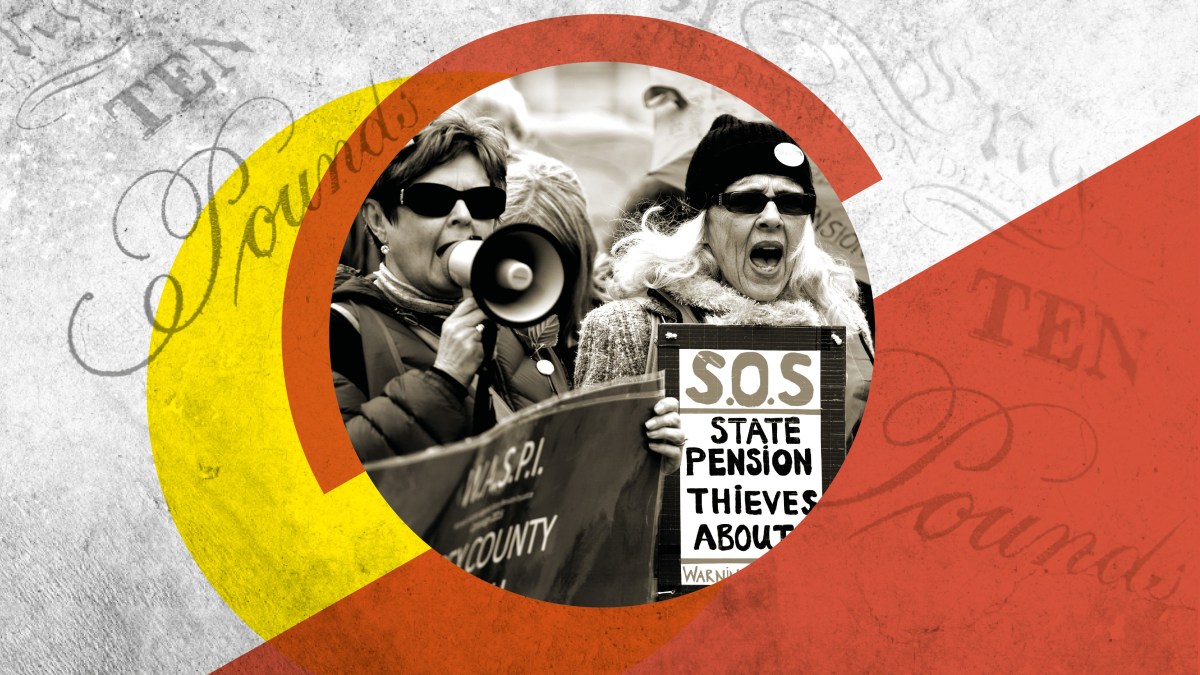
The Women Against State Pension Inequality (WASPI) campaign represents a significant movement in the UK, advocating for the rights of women who have experienced financial disadvantage due to changes in state pension policies. This issue gained prominence in recent years as many women faced a sudden increase in their retirement age with little to no warning, leaving them in precarious financial situations. Understanding the complexities of WASPI women’s pension compensation is crucial as it not only affects those directly involved but also highlights broader issues of equality and fairness in pension policies.
Main Body
The WASPI campaign was launched following the 2011 changes to state pension legislation that extended the retirement age for women born in the 1950s. These changes were implemented without adequate communication or support for those affected, leaving many women without sufficient time to prepare for their financial futures. According to a report by the House of Commons, an estimated 3.8 million women are impacted by these changes.
Recently, there has been a renewed push for compensation, with supporters urging the government to acknowledge the hardship faced by these women. In September 2023, the Parliamentary Committee on Work and Pensions discussed potential measures for providing compensation, noting that the government’s failure to adequately inform affected women constituted a significant oversight. Calls for governmental action have intensified, with petitions reaching over 100,000 signatures, prompting further debate in Parliament.
Various proposals for compensation have been put forward, including financial payments, increased pension credits, and other forms of assistance designed to alleviate the financial strain faced by these women. However, negotiations between the government and WASPI representatives remain ongoing, illustrating the complexities of policy change amid financial constraints.
Conclusion
The issue of WASPI women’s pension compensation transcends individual hardship; it is emblematic of wider discussions about gender equality and the treatment of women within the UK’s social security framework. As debates continue, it remains imperative for the government to address these concerns transparently, ensuring that the affected women receive the acknowledgment and compensation they deserve. The outcomes of these discussions could set a significant precedent for future pension reforms, underscoring the importance of communication and equity in policymaking. As many continue to advocate, the resolution of this issue will not only impact the WASPI women currently affected but also shape the landscape of pensions for women in the UK for generations to come.