








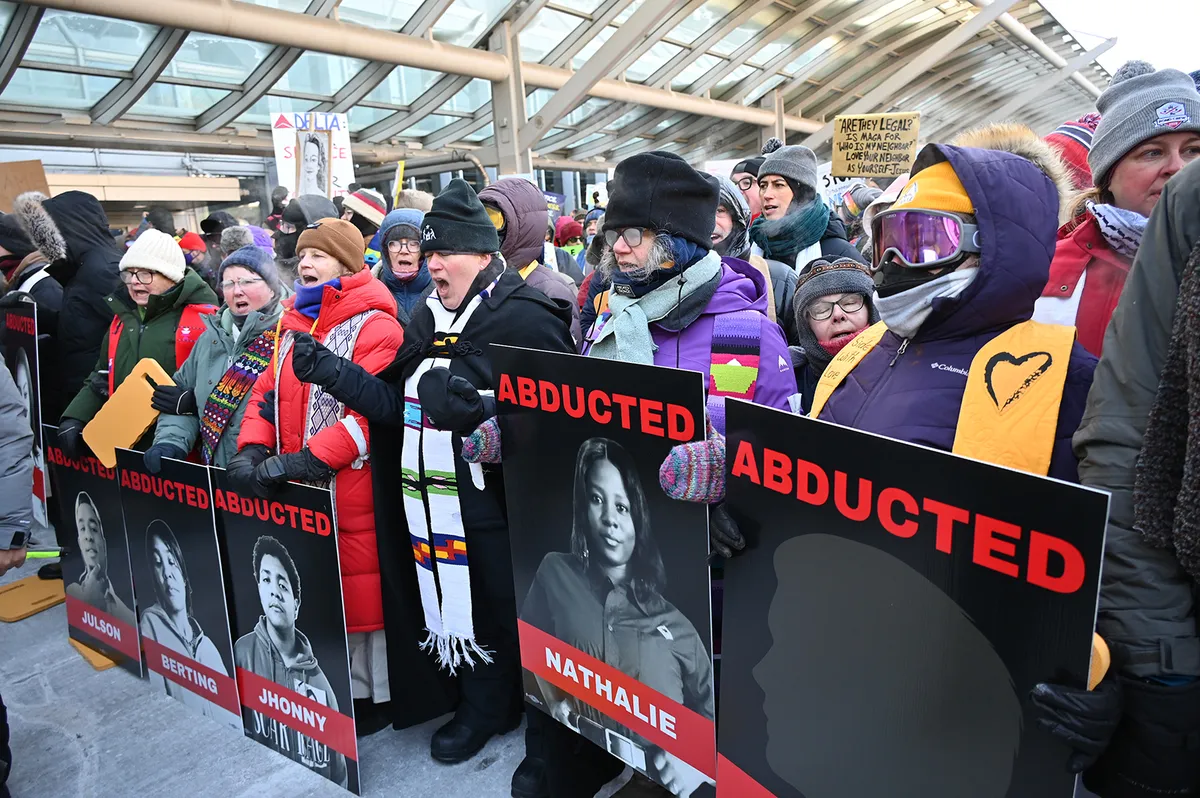
The sanctuary movement, a response to immigration policies, has seen churches and synagogues across the United States provide refuge to undocumented migrants. This movement gained momentum in the early 1980s, particularly when churches began sheltering individuals fleeing violence in Central America. Notably, in 1982, Southside Presbyterian Church was declared a sanctuary church, marking a significant moment in the movement’s history.
Over the years, the sanctuary movement has created a network of approximately 500 churches and synagogues that have offered shelter and support to undocumented individuals. However, this initiative faced legal challenges, including the indictment of 16 prominent figures in the movement by the U.S. government in 1985. That same year, a class-action lawsuit, American Baptist Churches v. Thornburgh, was filed against the government, highlighting the tensions between faith-based support for migrants and federal immigration enforcement.
In 1991, the movement achieved a significant victory when a settlement required the federal government to re-adjudicate asylum claims for about 300,000 Central American refugees. This landmark decision underscored the impact of the sanctuary movement in shaping immigration policy and protecting vulnerable populations.
Key moments
The sanctuary movement experienced a resurgence in 2007, prompted by proposed legislation that sought to criminalize undocumented immigrants and those who assisted them. This revival was marked by a renewed commitment among faith leaders to advocate for the rights of migrants. In 2012, the Deferred Action for Childhood Arrivals (DACA) program was enacted, offering protection from deportation to eligible undocumented immigrants who arrived in the U.S. as children.
In a significant shift in immigration policy, President Trump signed an executive order in January 2025, lifting a 14-year ban on enforcing immigration laws at sensitive locations such as churches and schools. This decision has raised concerns among faith leaders and advocates who believe it undermines the sanctuary movement’s mission to provide safe havens for those in need.
The Pope has emphasized the moral imperative of supporting migrants, stating, “Every baptized person is called to bear consistent witness to Christ.” He highlighted that the common priesthood of the faithful is bestowed through Baptism, reinforcing the idea that faith communities have a responsibility to protect the vulnerable. Rev. Michael Woolf, a prominent figure in the movement, echoed this sentiment, asserting, “I don’t think what I’m doing is illegal. What I’m doing is moral, and that’s more important than what the state has to say.”
As the sanctuary movement continues to evolve, leaders like Jim Wallis have referred to this period as “our Confessing Church moment,” indicating a critical juncture for faith communities in the face of changing immigration policies. Rev. Hierald Osorto noted the commitment within the community to remain united, stating, “There is a commitment in this community to be brave and say, ‘We’re going to figure out a way to remain united.’” These voices reflect the ongoing struggle for justice and compassion within the context of immigration reform.
In summary, the sanctuary movement represents a profound intersection of faith and social justice, rooted in biblical traditions and responding to contemporary challenges. As the landscape of immigration policy continues to shift, the role of the faithful in advocating for the marginalized remains crucial. Details remain unconfirmed regarding future developments in this ongoing struggle for justice and compassion.