









Introduction
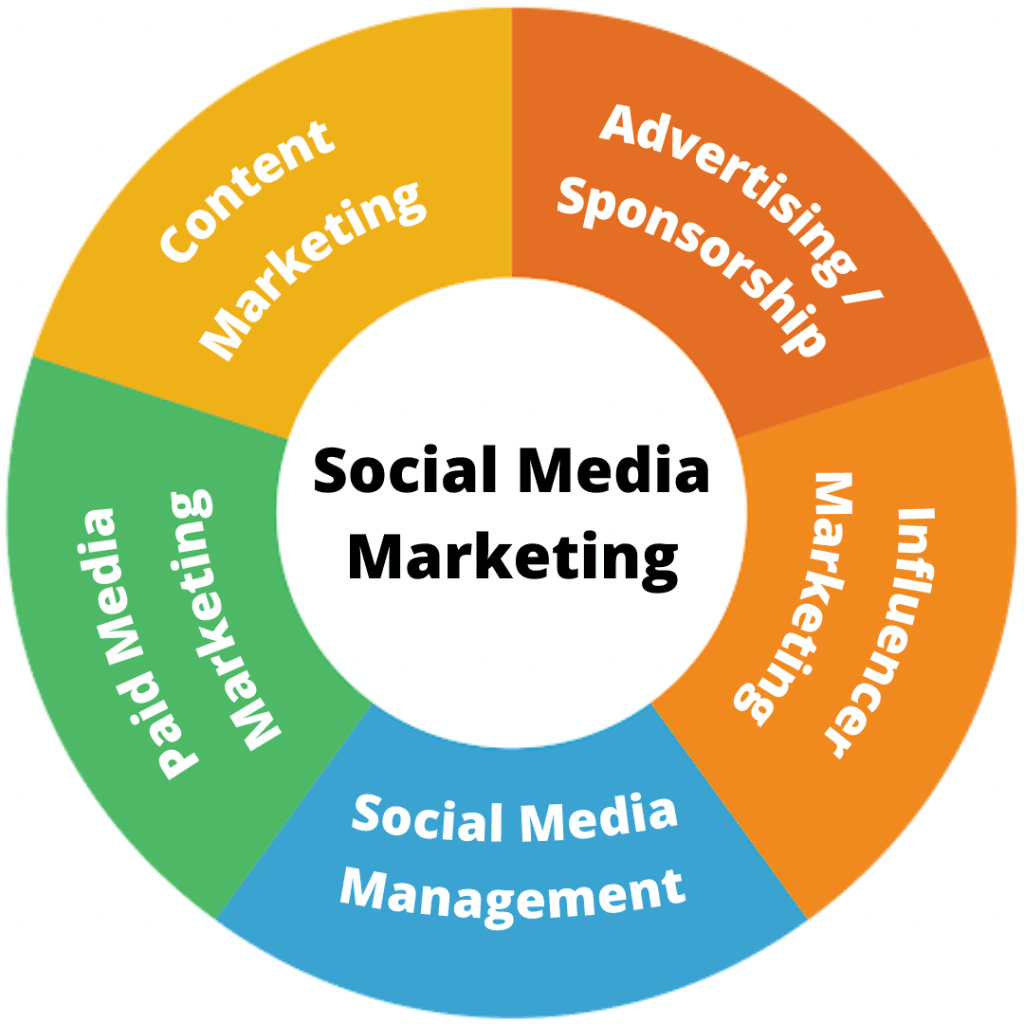
Social media marketing has become a crucial aspect of any business strategy in today’s digital landscape. With billions of users active across various platforms, businesses of all sizes are leveraging social media to connect with their audiences, enhance brand visibility, and drive sales. As we progress through 2023, the importance of staying updated with the latest trends in social media marketing cannot be overstated, as it directly impacts a company’s ability to engage customers effectively.
Current Trends in Social Media Marketing
One of the most significant trends observed this year is the rise of short-form video content, primarily driven by platforms like TikTok and Instagram Reels. Brands are increasingly recognising that users prefer engaging bite-sized videos that deliver quick entertainment or valuable information, making it pivotal for marketers to incorporate this format into their strategies. According to a report by HubSpot, 54% of consumers expressed interest in seeing more video content from brands they support.
Additionally, influencer marketing continues to grow, with businesses partnering with social media influencers to expand their reach and authenticity. The power of influencers in shaping consumer opinions has been proven effective, with 61% of marketers stating that influencer marketing is their top priority this year. Moreover, micro-influencers, who have smaller but highly engaged followings, are becoming increasingly attractive to brands due to their ability to foster genuine connections.
Challenges and Opportunities
However, amidst these trends, social media marketers are also facing challenges, particularly in terms of algorithm changes and the need for transparency. Algorithm updates on platforms can dramatically affect organic reach, forcing marketers to adapt swiftly and devise strategies that align with evolving guidelines. Furthermore, issues surrounding data privacy and user trust highlight the importance of maintaining transparent communication and ethical practices in marketing strategies.
Conclusion
As the landscape of social media marketing continues to evolve, it is clear that businesses must remain agile and innovative to thrive. Embracing short-form video content, utilising influencer partnerships wisely, and addressing the challenges of algorithm changes and privacy concerns will be critical for success in the social media realm. Marketers who effectively adapt to these trends are likely to see increased engagement, brand loyalty, and ultimately, higher sales. As we move forward, understanding the fluid nature of social media marketing will be key for businesses aiming to stay ahead of the competition.