









Introduction
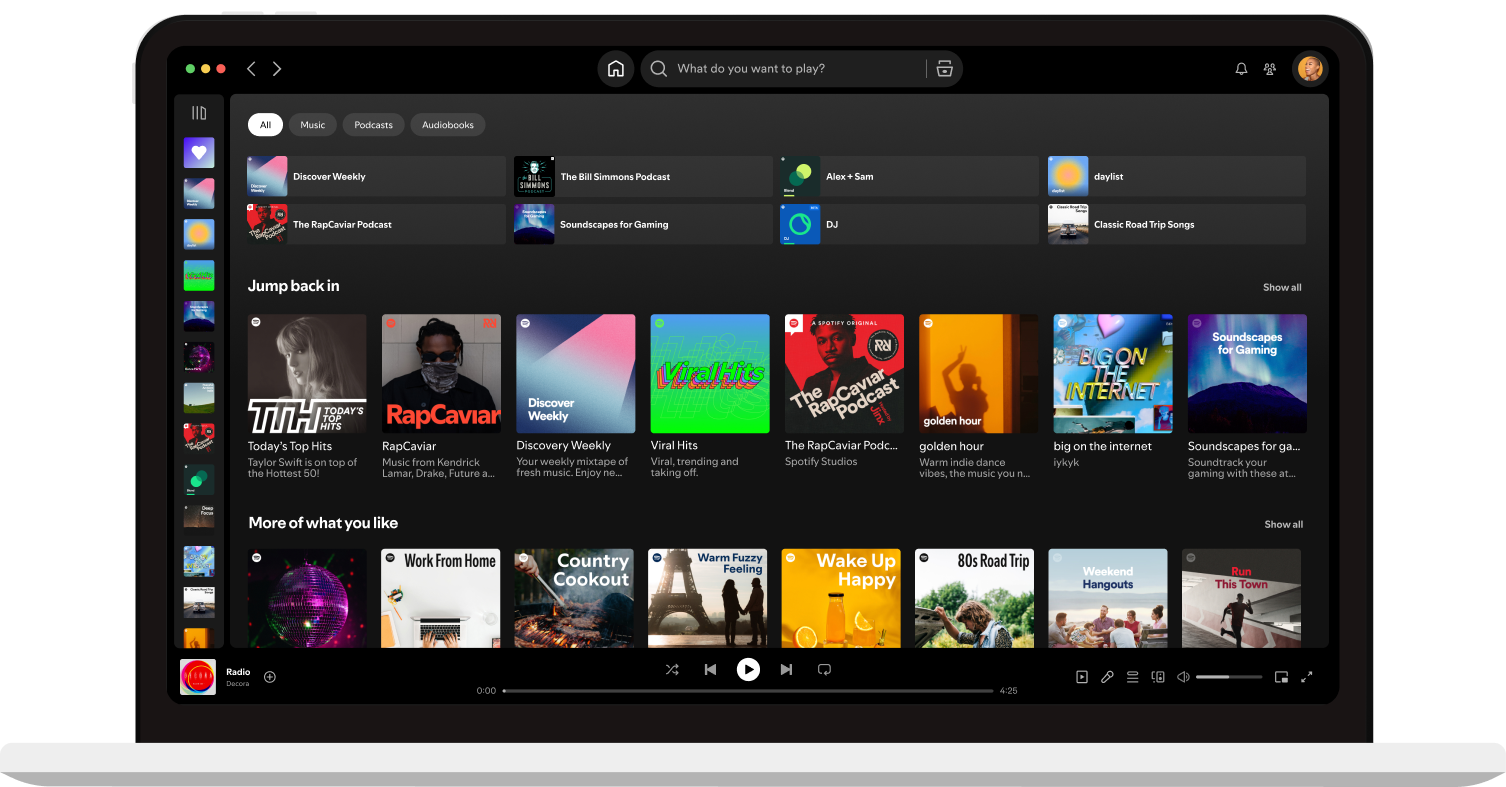
Spotify, the leading music streaming platform, has fundamentally transformed how we access and enjoy music. Launched in 2008, Spotify revolutionised the music industry by moving away from traditional methods of purchasing music, such as CDs and digital downloads, to a subscription-based service that allows users to stream millions of songs at their convenience. As of 2023, Spotify has over 500 million monthly active users globally, highlighting its relevance in today’s digital landscape.
Key Developments and Features
Over the years, Spotify has introduced several innovative features that have contributed to its success. The release of Discover Weekly in 2015 provided users with personalised playlists based on their listening habits, creating a unique experience that encourages user engagement. In addition, Spotify has invested in podcasts, recognising the growing trend of audio content consumption. According to recent reports, Spotify has over 4 million podcasts available on its platform, attracting a diverse audience beyond just music listeners.
Recent Events in 2023
This year has seen Spotify continuing its expansion and adaptation to changing user preferences. In early 2023, the company announced an increase in subscription prices for its premium services, a move that sparked discussions about the sustainability of the streaming model and its impact on user retention. Furthermore, Spotify has ramped up its efforts to support emerging artists through initiatives like the Spotify for Artists programme, which provides valuable insights and tools for musicians to grow their fanbase.
Conclusion and Future Outlook
As we look forward to the future of Spotify, the platform appears poised for continuous evolution, focusing on user experience and exploring new content formats. The rise of artificial intelligence in music curation and personalized recommendations may further enhance the listening experience, positioning Spotify as a leader in the music streaming industry. Ultimately, Spotify’s commitment to innovation and user satisfaction underscores its significance in the ongoing transformation of how we consume music in the digital age.