









Introduction
The McDonald’s Happy Meal has become an iconic staple in both the fast-food industry and children’s dining culture since its debut in 1979. The combination of a meal and a toy catered specifically to children has not only driven sales for McDonald’s but has also influenced how fast food brands target younger audiences. In an era increasingly focused on nutrition and healthy eating, the evolution of the Happy Meal reflects broader trends in consumer preferences and societal expectations regarding children’s food.
The Happy Meal’s Origins
The original Happy Meal was created by a former advertising executive, Bob Bernstein, who wanted to simplify choices for children and their parents. The concept featured a smaller portion meal including a burger, fries, and a drink, along with a toy, which instantly attracted children’s attention. Over the years, the Happy Meal has undergone multiple transformations, adapting to changing consumer tastes and health awareness.
Current Offerings and Nutritional Changes
In recent years, McDonald’s has made significant efforts to meet evolving nutritional standards and consumer expectations. Currently, Happy Meals include options like fruit and vegetable sides, healthier drink choices such as milk or water, and a focus on portion control. As part of their commitment to health, McDonald’s announced in 2021 that they would further reduce calories, sodium, and added sugar in their Happy Meal options.
Marketing Strategy and Cultural Impact
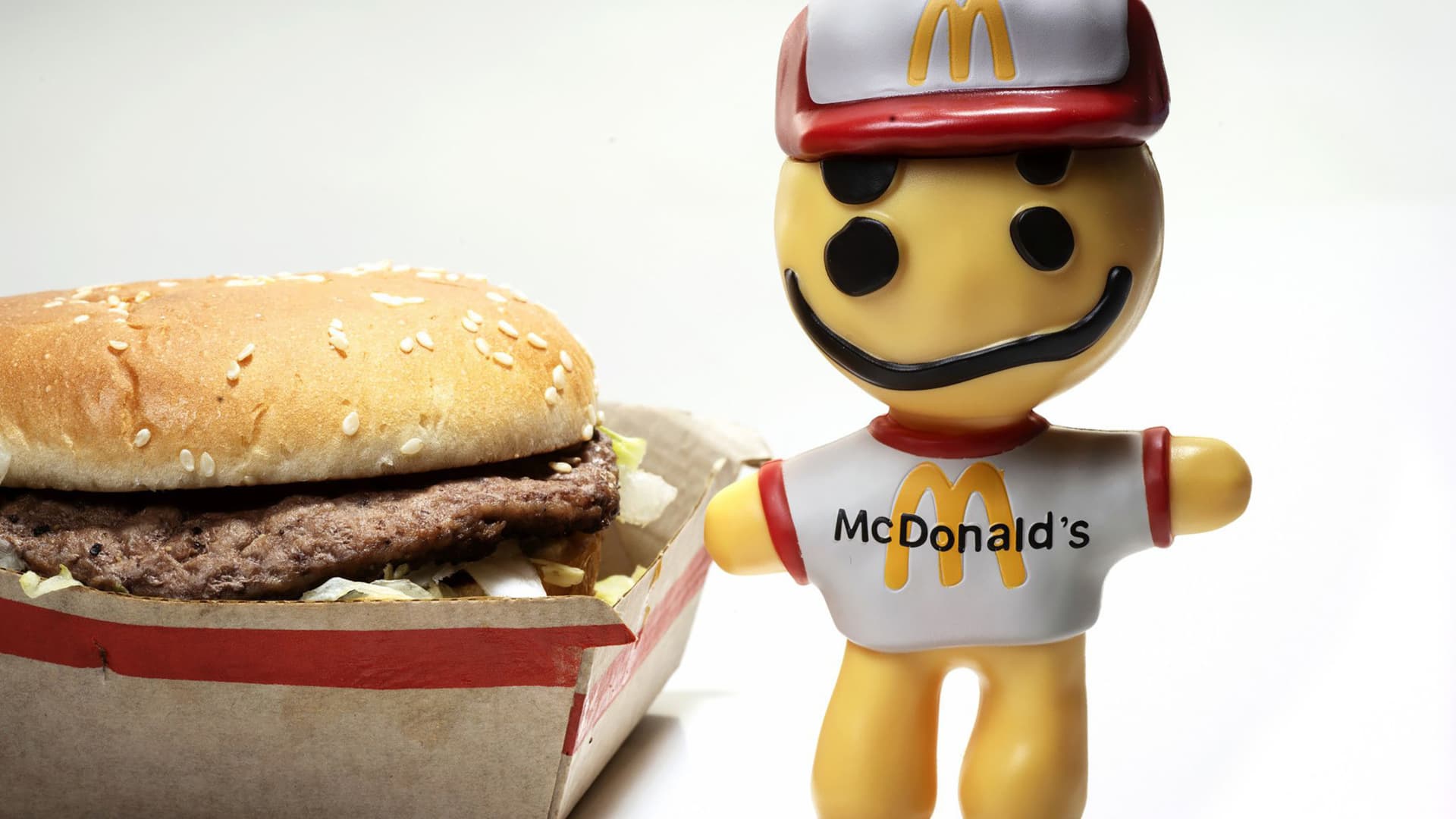
McDonald’s positions the Happy Meal as an experience rather than just a meal, leveraging partnerships with popular children’s films, series, and characters to enhance its allure. The inclusion of exclusive toys tied to popular franchises such as Disney and Marvel creates excitement and a sense of urgency among young consumers. This strategy not only fosters brand loyalty at a young age but also brings parents back to McDonald’s, seeking that memorable experience for their children.
Conclusion
The McDonald’s Happy Meal remains a focal point of the company’s strategy to attract families and engage with younger audiences. As societal views on nutrition evolve, so does the Happy Meal, transitioning from a purely indulgent offering to one that increasingly considers health and well-being. For consumers, understanding the transformations of the Happy Meal can provide insights into broader shifts within the fast-food industry. As McDonald’s continues to innovate its offerings, watching how they adapt will be significant for parents and young consumers alike.