





Introduction
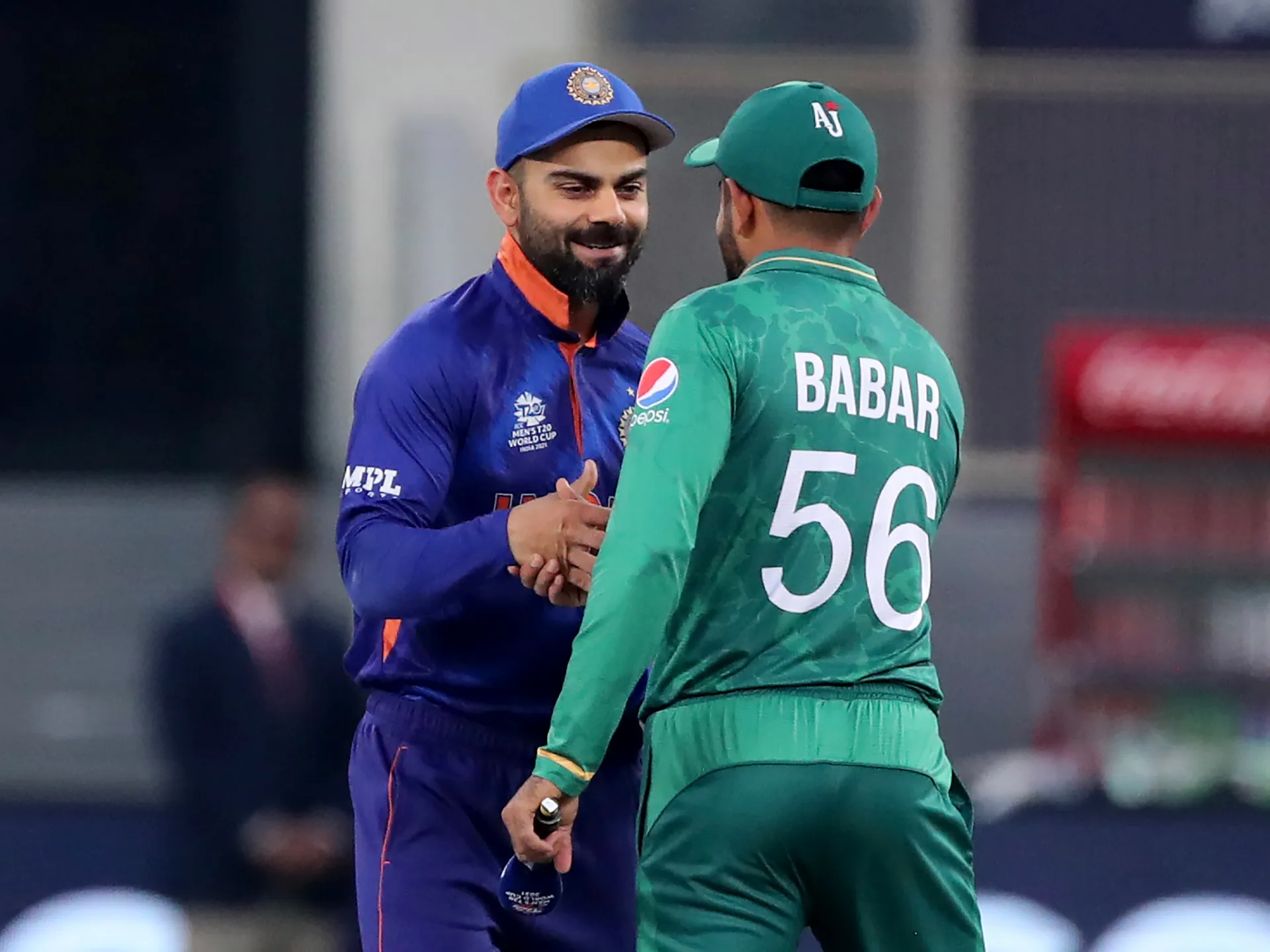
The rivalry between India and Pakistan is one of the most intense and passionate in the world, spanning decades and encompassing various dimensions including sports, politics, and culture. Particularly in cricket, matches between the two nations draw enormous global viewership and fanfare, highlighting both the competitive spirit and the complex historical context that surrounds them. As tensions occasionally flare in the political arena, the sporting rivalry serves as a platform for the expression of national pride and identity.
Historical Context
Since the partition of British India in 1947, India and Pakistan have had a tumultuous relationship marked by wars, border conflicts, and diplomatic standoffs. The creation of Pakistan was based on religious lines, leading to deep-seated divisions. Over the years, this rivalry has manifested primarily in three confirmed wars, numerous skirmishes, and ongoing disputes over Kashmir, making diplomatic relations strained. Yet, amidst these tensions, cricket has emerged as a unifying force for millions of fans across both countries.
The Cricket Rivalry
In cricket, the India vs Pakistan matches are not just games; they are epic contests that encapsulate national emotions. The first Test match took place in 1952, and since then, the rivalry has intensified with each encounter. Major tournaments, such as the ICC World Cup and the Asia Cup, become focal points for fans, where the stakes are not only about winning but about national pride. For instance, during the 2019 ICC World Cup, the match between the two teams attracted over 1.6 billion viewers worldwide, showcasing the immense popularity and significance of this rivalry.
Recent Developments
As of late 2023, prospects for further bilateral cricket series remain uncertain due to ongoing political constraints. Although there have been attempts at dialogue, on-field matches have been few and far between. However, many cricketing legends advocate for resuming friendly encounters, stressing that sport should prevail over political grievances. Furthermore, the International Cricket Council (ICC) continues to play a vital role in facilitating avenues for cricketing engagement between the nations.
Conclusion
The India vs Pakistan rivalry goes beyond mere sport; it represents a myriad of emotions and sentiments felt by both nations. While the complexities of historical conflicts often overshadow sporting events, the potential for cricket to foster peace and unity cannot be overlooked. As both countries navigate their geopolitical landscape, the hope remains that cricket can serve as a bridge, reconnecting both nations in times of peace. In the future, should political relations improve, we may witness a resurgence of encounters on the cricket field, reviving the excitement and fervour that this storied rivalry promises.