









Introduction to the Crimson Moon
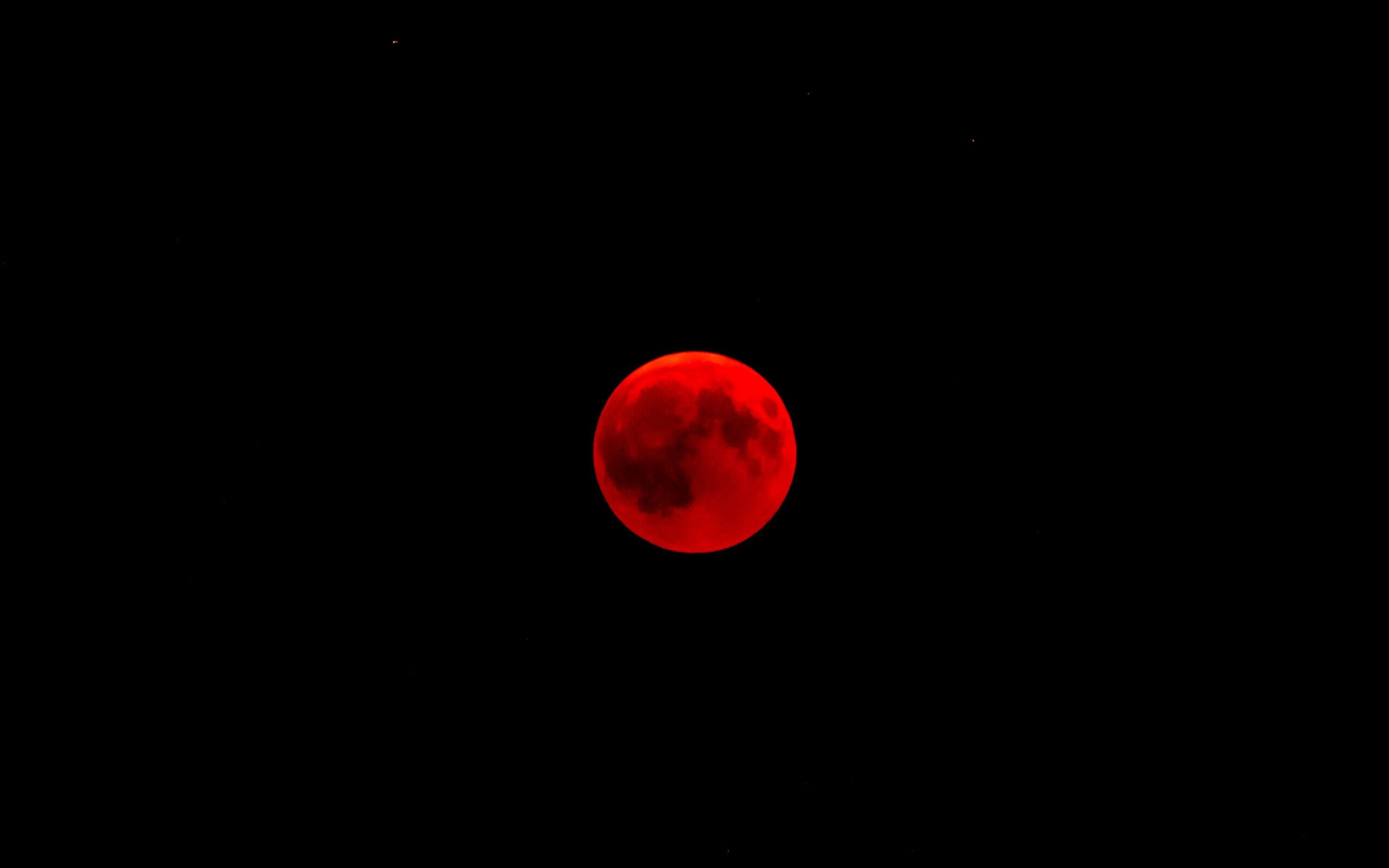
The crimson moon, often referred to as a blood moon, is a captivating astronomical event that occurs during a total lunar eclipse when the Earth passes directly between the sun and the moon. This phenomenon is characterised by the moon taking on a reddish hue, due to the scattering of sunlight through the Earth’s atmosphere. The crimson moon has significant cultural and scientific relevance, often inspiring myths and folklore across various societies.
Recent Events and Observations
On October 28, 2023, skywatchers across the globe witnessed a stunning crimson moon as it peaked during a total lunar eclipse. This particular event was notable as it coincided with a meteor shower, enhancing the night sky spectacle. Observers from North America to parts of Europe and Asia reported excellent visibility, with many using telescopes and cameras to capture the vibrant hues of the moon. The event attracted considerable attention on social media, with enthusiasts sharing their experiences and photographs.
According to NASA, this eclipse provided a unique opportunity for scientists to study the moon’s surface and gather data on atmospheric conditions. The reddish appearance of the moon is caused by Rayleigh scattering, the same phenomenon that causes sunsets to appear red. With the moon’s surface reflecting light filtered through the Earth’s atmosphere, it embodies an intriguing intersection of art, culture, and science.
Importance of the Crimson Moon
Crimson moons have long held a fascination for humanity, often linked to various beliefs and superstitions. In ancient cultures, a blood moon was viewed as an omen or a sign indicating significant events. In contemporary society, while many still observe with awe, scientists take this occasion to further our understanding of lunar and atmospheric dynamics. Each event serves as a reminder of our connection to the cosmos and prompts many to reflect on the natural world’s beauty and mysteries.
Conclusion and Significance for the Future
The recent crimson moon of October 2023 has captivated audiences and reminded us of the celestial wonders that exist beyond our planet. As more people turn their eyes skyward, events like these highlight the importance of astronomy and encourage educational initiatives that promote scientific inquiry. Looking ahead, as the frequency of such astronomical events continues, they are likely to engage future generations and inspire a greater appreciation for the universe. The crimson moon, with its rich significance and stunning visuals, remains a crucial element in our understanding of both space and cultural heritage.