









Introduction
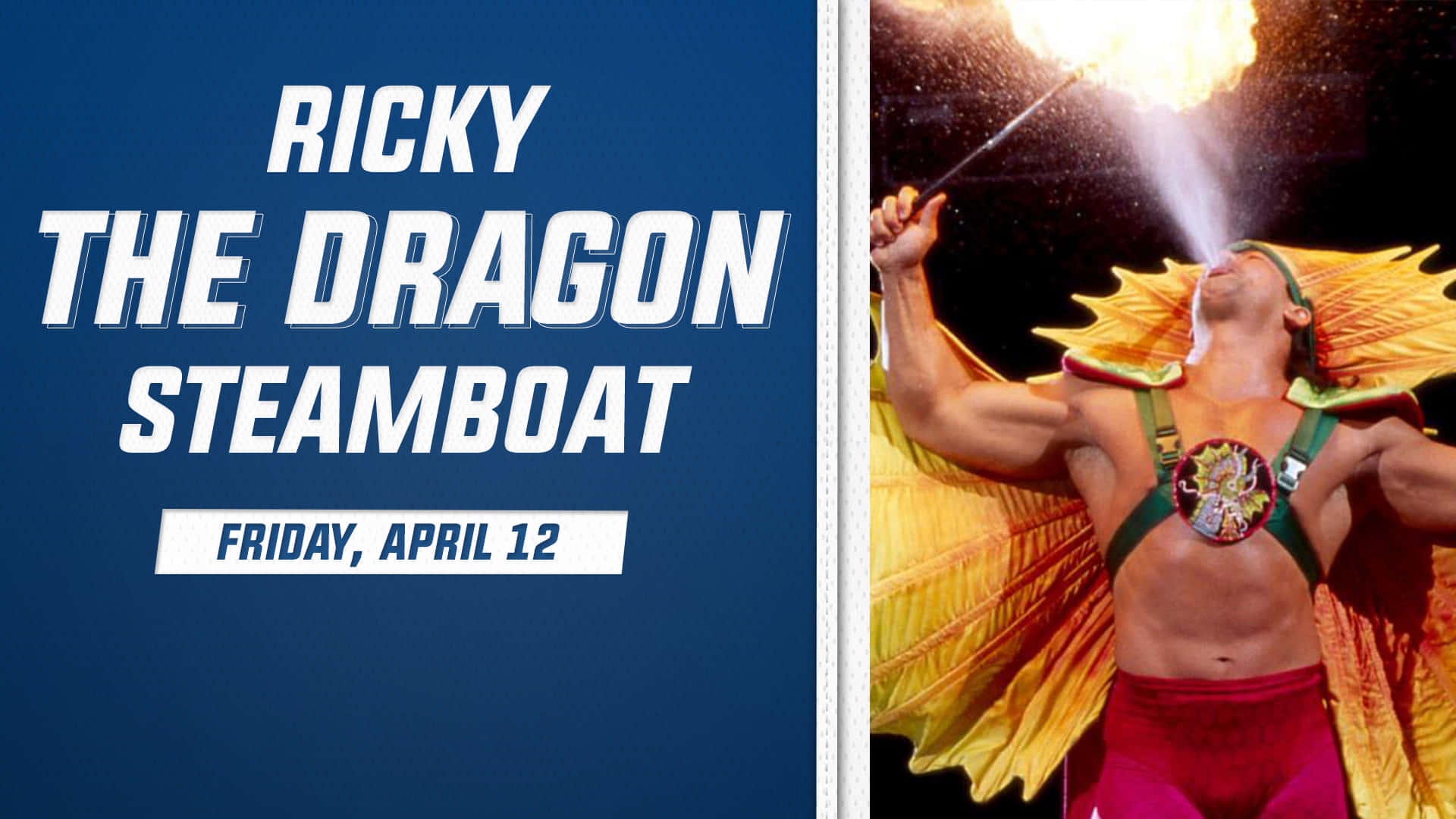
Ricky Steamboat, often referred to as “The Dragon,” is a name that resonates deeply within the world of professional wrestling. His exceptional in-ring skills, charisma, and sportsmanship have earned him a place among the greatest wrestlers in history. As wrestling continues to evolve, understanding Steamboat’s contributions remains pivotal both for fans and aspiring wrestlers.
Early Life and Career
Born on February 28, 1953, in West Point, New York, Richard Morgan Fliehr (known as Ricky Steamboat) began his wrestling career in the late 1970s. He initially gained prominence in the National Wrestling Alliance (NWA), where he showcased his technical prowess and agility. Steamboat’s ability to connect with audiences made him a fan favourite and a reliable draw for promotions.
Iconic Matches and Rivalries
Steamboat is best known for his legendary matches against other wrestling icons, particularly his trilogy of matches against Ric Flair in 1989. These contests are often cited as prime examples of storytelling and athleticism in professional wrestling. Their matches not only drew major crowds but also solidified Steamboat’s reputation as a top-tier performer.
His famous bout at WrestleMania III against Randy Savage, which saw him capture the Intercontinental Championship, is heralded as one of the greatest matches in WrestleMania history. With meticulously crafted moves, dramatic near-falls, and the emotional stakes involved, it remains a benchmark for wrestling excellence.
Impact on the Industry
Beyond his impressive accolades—such as his induction into the WWE Hall of Fame in 2009—Steamboat has influenced countless wrestlers who followed in his footsteps. He is often praised for his ability to work well with opponents of all styles, making him a beloved figure not just for his fans but also for his peers in the business.
Steamboat has also transitioned into a mentorship role, helping to train the next generation of wrestlers. His commitment to maintaining the integrity and artistry of professional wrestling has helped shape the industry, encouraging new performers to focus on storytelling and athleticism rather than just gimmicks.
Conclusion
Ricky Steamboat’s contributions to wrestling extend far beyond his impressive resume. His technical skills, iconic matches, and mentoring of future stars have left an indelible mark on the wrestling world. As the industry continues to grow and change, the legacy of Steamboat serves as a reminder of the importance of artistry, respect, and connection with the audience. Future generations of wrestlers will undoubtedly look to his career as a benchmark, ensuring that the Dragon’s impact will be felt for years to come.