









Introduction
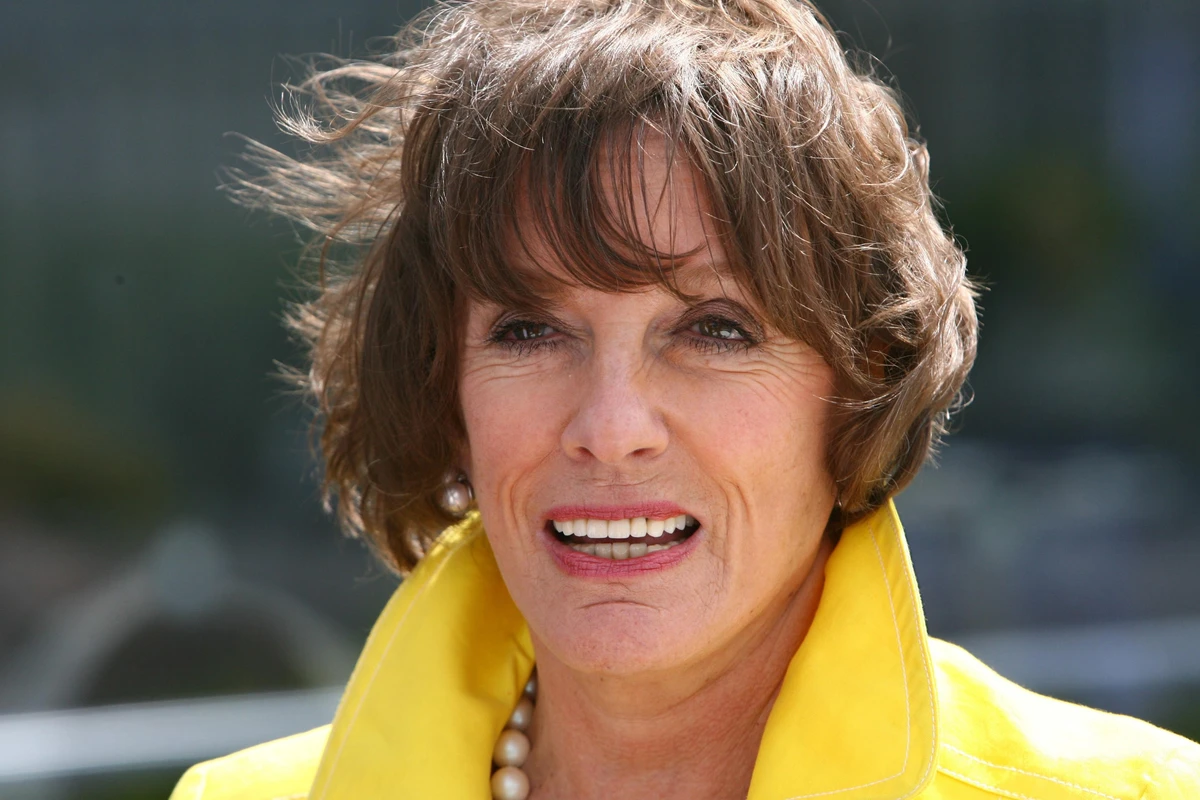
Esther Rantzen, a prolific figure in British broadcasting, has made significant contributions to television and social advocacy in the UK. Best known for her groundbreaking work on ‘That’s Life!’, Rantzen’s influence extends beyond entertainment, raising awareness on crucial social issues. Her recent public appearances and continued activism showcase the lasting relevance of her voice in contemporary society.
Career Highlights
Born on June 22, 1940, Esther Rantzen’s career began as a producer and presenter with the BBC. In 1973, she created ‘That’s Life!’, a magazine programme that tackled viewer’s complaints and social issues with a light-hearted approach while also addressing serious matters such as child protection and domestic violence. The show became a cultural phenomenon, running for 21 years and earning her numerous awards.
After ‘That’s Life!’, Esther continued her career with various television projects, including ‘Esther Rantzen’s House Party’ and documentaries focusing on social issues. Her dedication to championing causes such as child welfare led to the creation of ChildLine in 1986, a helpline for children in crisis. This initiative fundamentally changed the landscape of child protection in the UK.
Recent Developments
As of 2023, Rantzen has remained engaged in social issues and has made appearances advocating for various causes, including mental health awareness, particularly in the wake of the pandemic. In a recent event, she spoke at a mental health charity fundraiser, sharing her own struggles and encouraging open discussions about mental well-being.
Her memoir, published in 2022, reflects on her extraordinary life in broadcasting and the challenges faced along the way, providing insight into her resilience and commitment to social activism.
Conclusion
Esther Rantzen’s contributions to broadcasting and social advocacy continue to resonate today, making her a significant figure in British culture. As she lends her voice to important causes in the UK, her work inspires new generations to engage with social issues. Looking forward, Rantzen’s legacy encourages ongoing dialogue around pressing matters such as child protection and mental health, solidifying her role as a key advocate in British society.