









Introduction
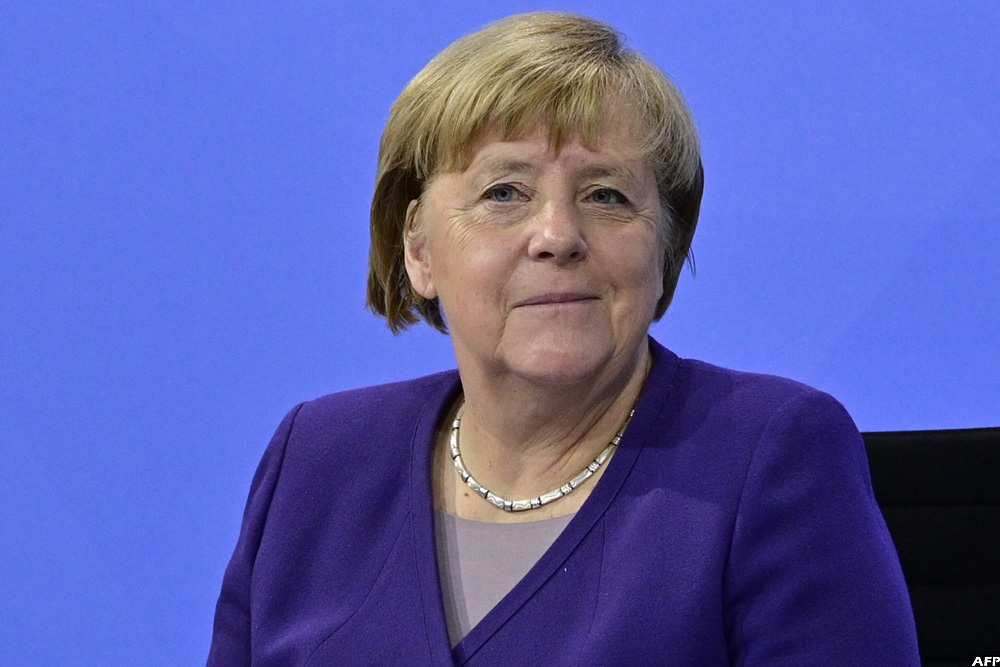
Angela Merkel, Germany’s first female Chancellor, has left an indelible mark on European and global politics during her 16-year tenure. Her leadership style, characterised by pragmatism and consensus-building, reshaped Germany’s role on the world stage, making her one of the most influential leaders in recent history. As the global political landscape evolves, understanding Merkel’s legacy has never been more relevant.
Merkel’s Tenure
Merkel served as Chancellor from 2005 to 2021, navigating Germany through numerous crises, including the 2008 financial crash, the European sovereign debt crisis, and the migrant influx in 2015. Under her guidance, Germany emerged as a stable economic power in Europe, but not without challenges.
Merkel’s decisiveness during the Eurozone crisis, in particular, showcased her commitment to the European Union, pushing for austerity measures that were controversial but aimed at stabilising the Eurozone. Her handling of the migrant crisis highlighted her humanitarian stance, as she opened Germany’s borders to over a million refugees, earning her both praise and criticism.
Significant Policies and Initiatives
Merkel’s leadership was characterised by several key initiatives, particularly in climate policy and digital innovation. She was instrumental in Germany’s transition to renewable energy, known as the ‘Energiewende’, which aimed to phase out nuclear energy and increase the share of renewables in the country’s energy mix. This ambitious plan placed Germany at the forefront of global climate change discussions.
Additionally, Merkel’s strong advocacy for science and research helped Germany maintain its competitive edge in technology and innovation. Her government invested in digital infrastructure, aiming to modernise the economy and support startups, which has become increasingly critical in the post-pandemic era.
Post-Chancellorship and Legacy
After leaving office in late 2021, Merkel remains a respected figure in global politics, frequently sought after for her insights on current geopolitical challenges such as the Russian invasion of Ukraine and the COVID-19 pandemic. Her ability to foster dialogue and build consensus will be regarded as one of her most significant contributions.
As Europe grapples with rising populism, climate change, and international tensions, Merkel’s legacy will continue to influence political discourse and policy-making. Her pragmatic approach to governance and her commitment to European unity have set a standard for future leaders.
Conclusion
Angela Merkel’s political career exemplifies the role of a leader who prioritises stability, pragmatism, and unity in times of crisis. With the current geopolitical climate in flux, her strategies and policies provide valuable lessons and insights for current and future leaders. As we reflect on her contributions, it is clear that she has not only transformed Germany but also left a lasting imprint on the world stage.