









Introduction
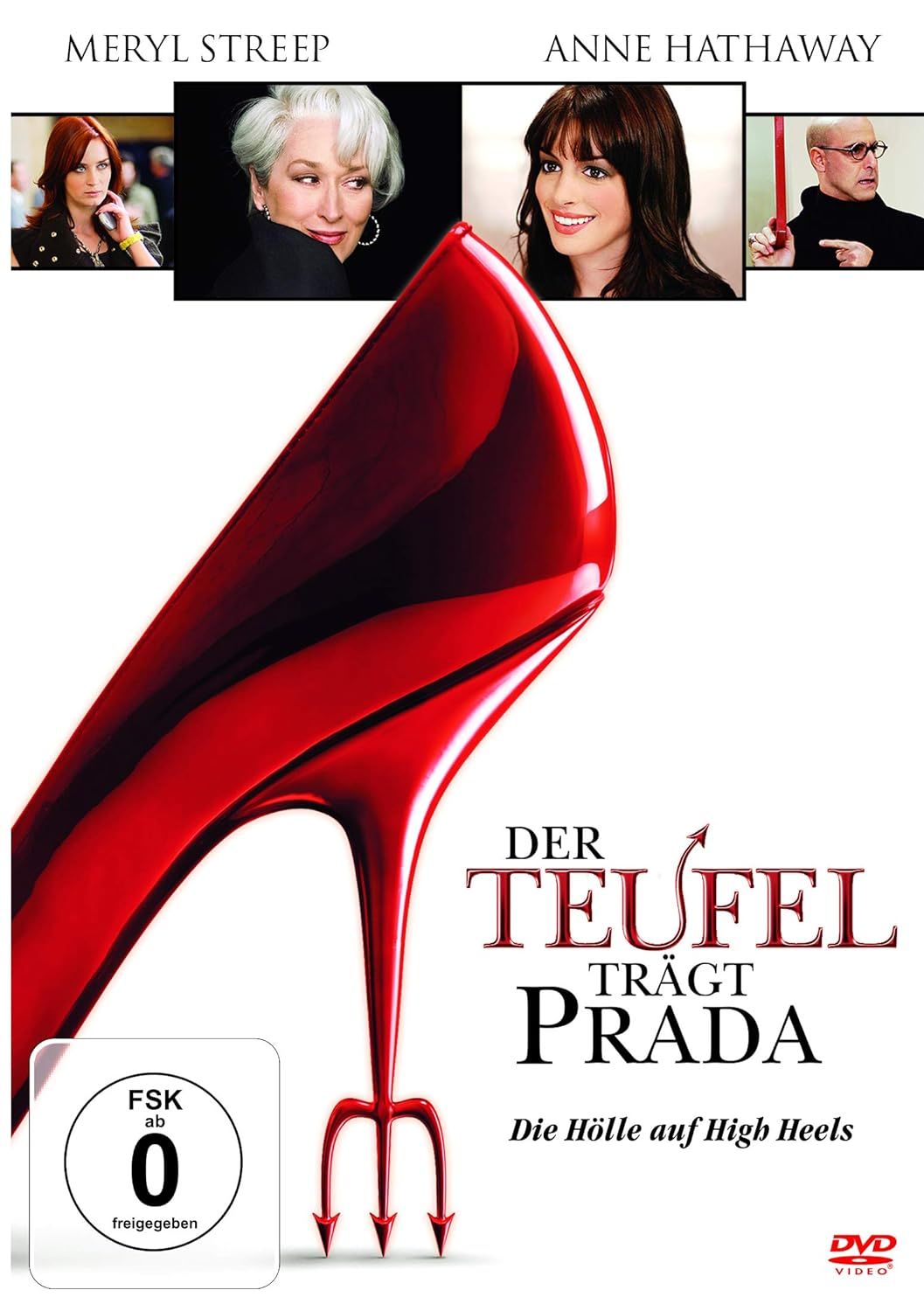
‘Der Teufel trägt Prada’ (The Devil Wears Prada) is more than just a film; it has become a cultural touchstone that reflects the interplay between fashion and personal ambition. Released in 2006, this American comedy-drama has not only defined a generation’s perceptions of the fashion industry but has also sparked conversations about work culture, identity, and personal growth. The film’s significance is especially relevant today, as industries adapt to new work environments and societal expectations.
Overview of the Film
Based on Lauren Weisberger’s best-selling novel, ‘Der Teufel trägt Prada’ follows the story of Andrea Sachs, a recent college graduate who lands a job as an assistant to the formidable Miranda Priestly, editor-in-chief of Runway magazine. Portrayed by Meryl Streep, Miranda is a character that embodies both the allure and the pitfalls of the fashion industry. The film not only showcases high-fashion aesthetics but also delves into the sacrifices often made in pursuit of career success.
Impact on Fashion and Pop Culture
Since its release, ‘Der Teufel trägt Prada’ has had a lasting impact on fashion and pop culture. The iconic moments and memorable quotes from the film have permeated everyday conversations and social media platforms, contributing to its status as a cultural phenomenon. The film inspired a resurgence of interest in high fashion among the general public, leading to increased visibility for brands featured in the film, such as Prada, Gucci, and Valentino. Additionally, it has prompted discussions on the unrealistic standards and challenges faced by women in competitive workplaces.
Current Relevance
In recent years, there has been a new wave of interest in ‘Der Teufel trägt Prada’, as discussions around workplace culture and the importance of work-life balance have taken centre stage. The film’s central themes resonate in contemporary contexts, especially as young professionals navigate the complexities of demanding jobs in the wake of the COVID-19 pandemic. The fashion industry itself has also evolved, acknowledging the need for inclusivity and mental health awareness.
Conclusion
‘Der Teufel trägt Prada’ remains an influential work that continues to shape our understanding of ambition, success, and the fashion world. Its cultural significance cannot be overstated, as it opens up discussions on both the glamour and the challenges of chasing one’s dreams. As we move into an increasingly complex work environment, the lessons drawn from this iconic film remain relevant, inspiring a new generation to balance ambition with authenticity.