









Introduction
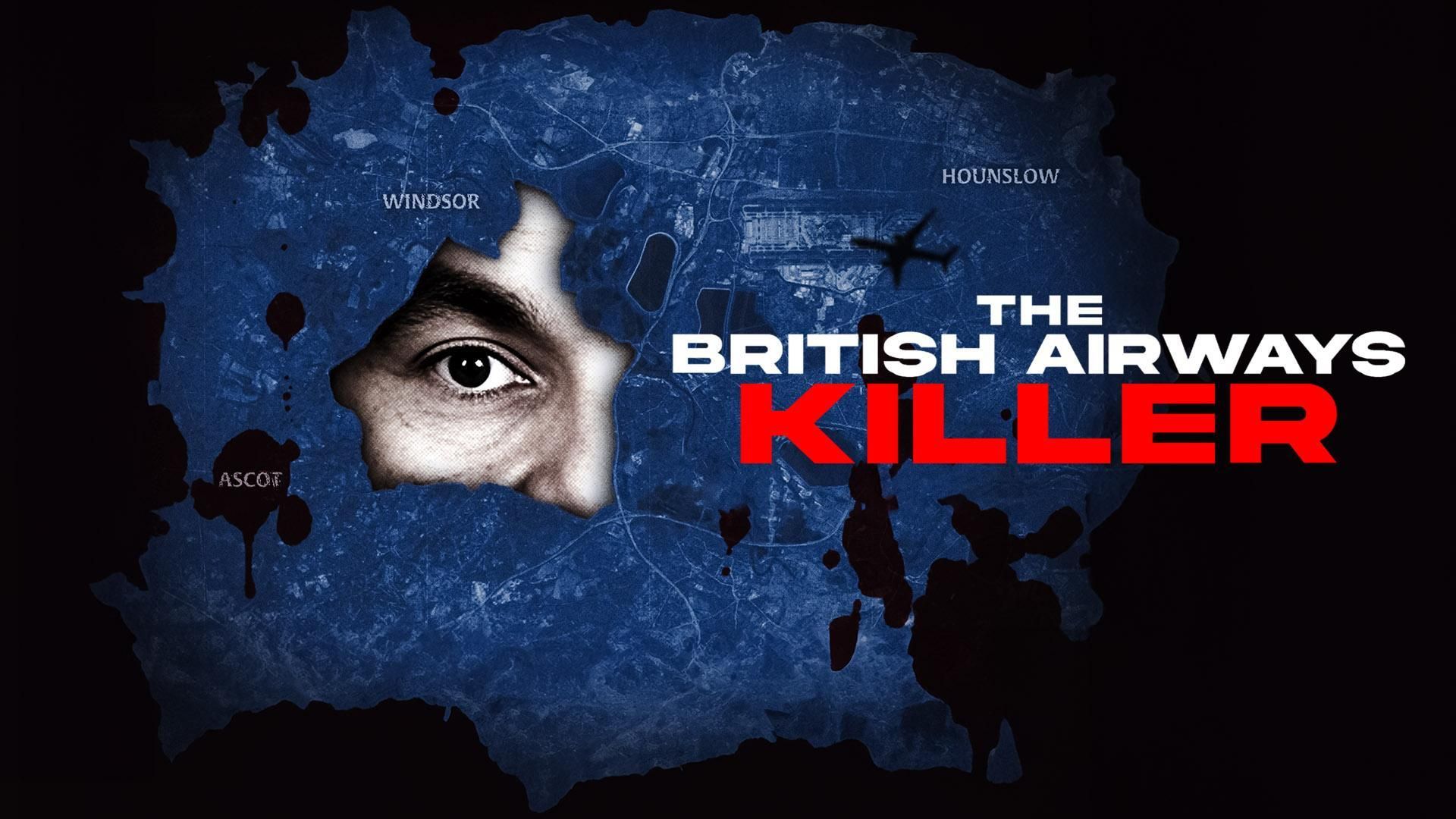
The term ‘British Airways Killer’ refers to a notorious crime that rocked the aviation sector, raising concerns about safety and security in air travel. This infamy relates to the 1983 murder of a British Airways employee, which has since shaped policy and perceptions regarding airline security procedures. The relevance of this case is paramount, as it serves as a stark reminder of vulnerabilities within the airline industry that have undergone scrutiny in the years following.
The Incident
On March 18, 1983, the brutal murder of British Airways employee, 24-year-old Luke Sullivan, occurred at the airline’s headquarters in London. Sullivan was found beaten and stabbed, leading to immediate fears that the incident might be linked to broader security threats. The police investigation uncovered connections to various crime figures that raised alarm bells within the aviation community.
Investigative Developments
The investigation into Sullivan’s murder was complex, bringing numerous suspects to the forefront. Over time, authorities discovered that the crime was part of a series of attacks targeting airline employees as rival gangs vied for control of the lucrative drug trade in the area. Despite the extensive efforts by Scotland Yard, the case remained cold for several years.
Impact on Aviation Security
The ramifications of the British Airways Killer case led to significant reforms in airline security practices. Following the murder, British Airways, along with other airlines, intensified their focus on employee safety and introduced better training for staff to deal with potential threats. Additionally, UK law enforcement collaborated with international agencies to tighten security protocols around airports, illustrating the nexus between crime and aviation safety.
Recap and Future Outlook
While the initial case may have faded from public consciousness, the effects of the British Airways Killer continue to resonate in today’s world. The evolution of terrorism and crime within the aviation sector in the modern age demands ongoing vigilance and adaptation of security measures. It’s essential for both airline employees and passengers to acknowledge the past to better safeguard the future of air travel. In the face of growing threats, the lessons learnt from cases such as the British Airways Killer remain vital to ensuring the safety of millions of travellers around the globe.