









Introduction
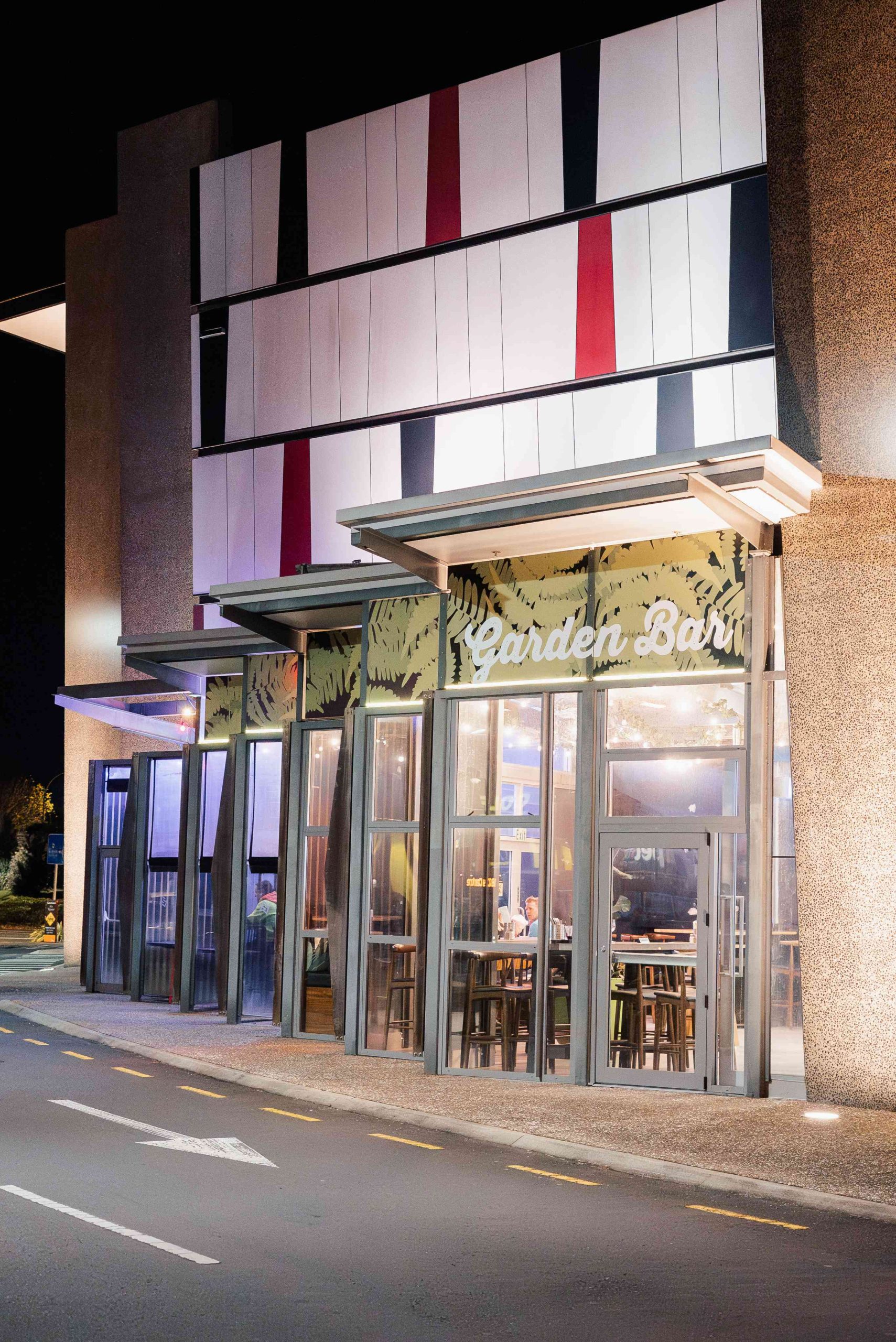
The bar scene in the United Kingdom has seen significant evolution in recent years, reflecting broader social and cultural trends. Bars are not just places to drink; they are social hubs that adapt to changing consumer preferences. Understanding the importance of bars in the UK context offers insight into shifting cultural dynamics and economic factors.
Recent Trends in the Bar Industry
As of 2023, the UK bar industry has rebounded from the disruptions caused by the COVID-19 pandemic, demonstrating remarkable resilience. Reports indicate a significant increase in footfall, with some bars experiencing up to a 30% increase in patrons compared to pre-pandemic levels. This resurgence has been powered by a rebirth of community-focused spaces, innovative cocktail menus, and the introduction of more non-alcoholic options, catering to a health-conscious demographic.
Furthermore, the rise of experiential bars offering unique themes or activities—such as axe throwing or mixology classes—has also become prominent. These establishments aim to provide more than just traditional drinking experiences, drawing in a diverse clientele ranging from millennials to older generations.
Cultural Significance
Beyond their economic contributions, bars have historically served as essential social venues in British culture. They are often thought of as spaces where friendships are formed, and communities are built. Recent studies highlight how bars have adapted to become inclusive environments, focusing on accessibility and the celebration of local culture. Events such as pub quizzes, live music nights, and community fundraisers have cemented their role as community cornerstones.
Conclusion
The bar industry in the UK is not only bouncing back from pandemic-related challenges; it is transforming to meet the needs of an evolving society. As bars continue to innovate and embrace inclusivity, they will likely remain a vital aspect of social life in the UK. The future points to further diversification in offerings and experiences, ensuring that bars will continue to play an essential role in the fabric of British culture for years to come. Readers can look forward to discovering unique bar experiences that not only serve beverages but also bring communities together.