









Introduction
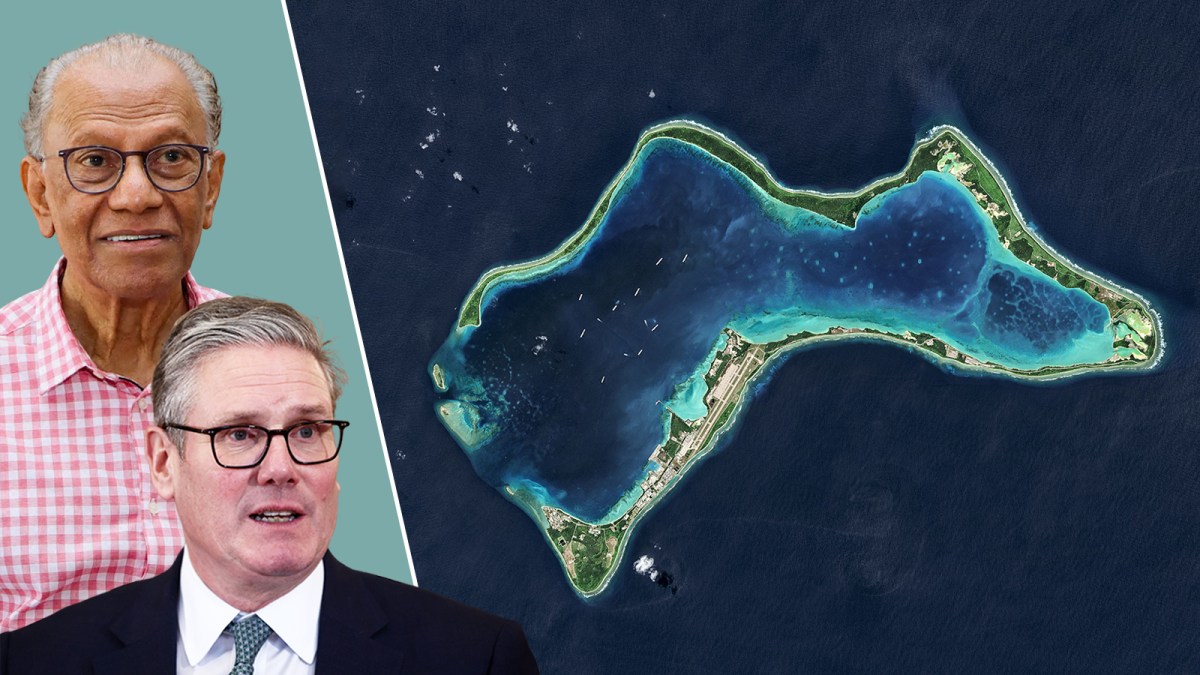
The Chagos Islands, a small archipelago located in the Indian Ocean, have become a focal point of international debate due to their complex colonial history and ongoing sovereignty disputes. These islands have significant geopolitical relevance, particularly concerning strategic military interests and human rights issues for the displaced Chagossians, the indigenous inhabitants.
Historical Background
The Chagos Islands were part of the British colony of Mauritius until the late 1960s when the UK established a military base on Diego Garcia, the largest island in the archipelago, as part of an agreement with the United States. In order to create a military outpost, the UK forcibly removed approximately 2,000 Chagossians between 1967 and 1973, a move that has since been widely condemned as a violation of human rights.
Legal Developments
In recent years, the situation surrounding the Chagos Islands has gained renewed attention through various legal contests. In 2019, the International Court of Justice (ICJ) issued an advisory opinion declaring that the UK’s occupation of the Chagos Islands is illegal and urged the British government to terminate its administration of the territory. However, despite these findings, the UK continues to assert its sovereignty over the islands, further complicating the situation.
Current Affairs and Future Prospects
The current geopolitical landscape adds layers to the Chagos dispute. The military base in Diego Garcia is considered crucial for U.S. operations in the Asia-Pacific region, particularly as tensions rise with China. Consequently, the UK faces pressure to balance its commitments to international law, human rights, and strategic military interests.
Additionally, recent discussions surrounding climate change and its impacts on island nations have brought more visibility to the plight of the Chagossians, who have been seeking the right to return to their homeland. Advocacy groups continue to campaign for reparations, restitution, and legal redress for the injustices suffered by the Chagossians.
Conclusion
The Chagos Islands represent a complex interplay of colonial legacies, human rights, and military strategy. As international scrutiny of the UK’s stance increases, it remains essential for policymakers and the global community to seek a resolution that respects the rights of the displaced Chagossians while navigating the strategic interests associated with the islands. The path forward will require a concerted effort to address historical grievances and ensure that the rights of indigenous populations are upheld in contemporary geopolitical discourse.