









Introduction
The Chagos Islands, located in the Indian Ocean, have been a focal point of international disputes for decades. With strategic military significance and concerns regarding human rights, the situation surrounding these islands continues to evolve, making it a crucial topic for both regional and global discussions.
Historical Context
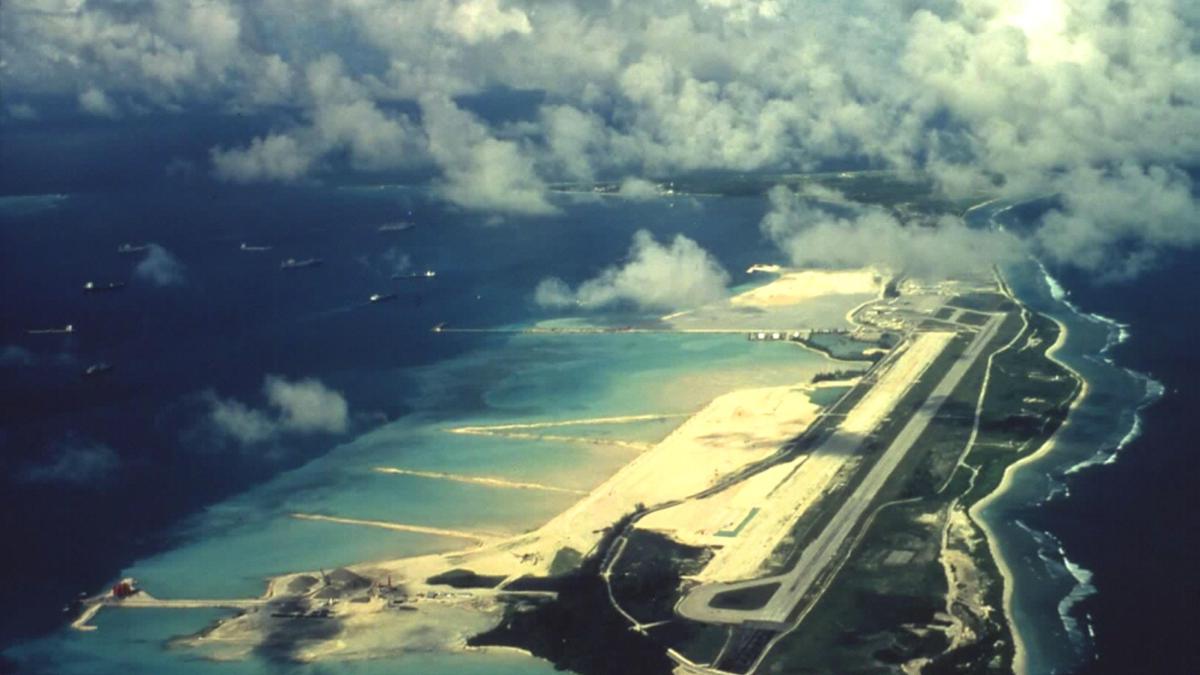
The islands were leased to the United Kingdom by the United States in the 1960s for military purposes, culminating in the establishment of the Diego Garcia naval base. This created a strong geopolitical presence in the Indian Ocean but led to the forced removal of the indigenous Chagossian people, sparking ongoing legal and ethical debates.
Current Events
As of late 2023, tensions have escalated following the International Court of Justice (ICJ) ruling that the UK should relinquish control of the islands. The ruling has further stirred discussions within the United Nations, with various nations supporting the Chagossians’ right to return to their homeland. Meanwhile, the UK government has reiterated its stance of sovereignty over the islands, citing geopolitical security interests.
Human Rights Issues
The plight of the Chagossians remains a pressing human rights concern. Many former residents still seek justice and compensation for their displacement. Recent advocacy efforts have aimed to raise awareness about their situation, resulting in increased international solidarity and support for their cause.
Conclusion
The strategic significance of the Chagos Islands cannot be understated, particularly in the realm of military operations. However, the ongoing debates surrounding sovereignty, human rights, and justice for the Chagossians highlight a complex interplay between geopolitical interests and ethical obligations. As legal proceedings and discussions continue, the global community watches closely, as the outcomes may reshape not only the fate of the islands but also the broader dialogue on colonial legacies and human rights.