









Importance of Target’s Expansion
Target Corporation, one of America’s largest retail chains, is undergoing a significant expansion and restructuring initiative that is poised to reshape its market presence. With increasing competition in the retail sector, understanding Target’s expansion plans and strategies is critical for consumers, investors, and industry analysts alike.
Recent Developments and Expansion Plans
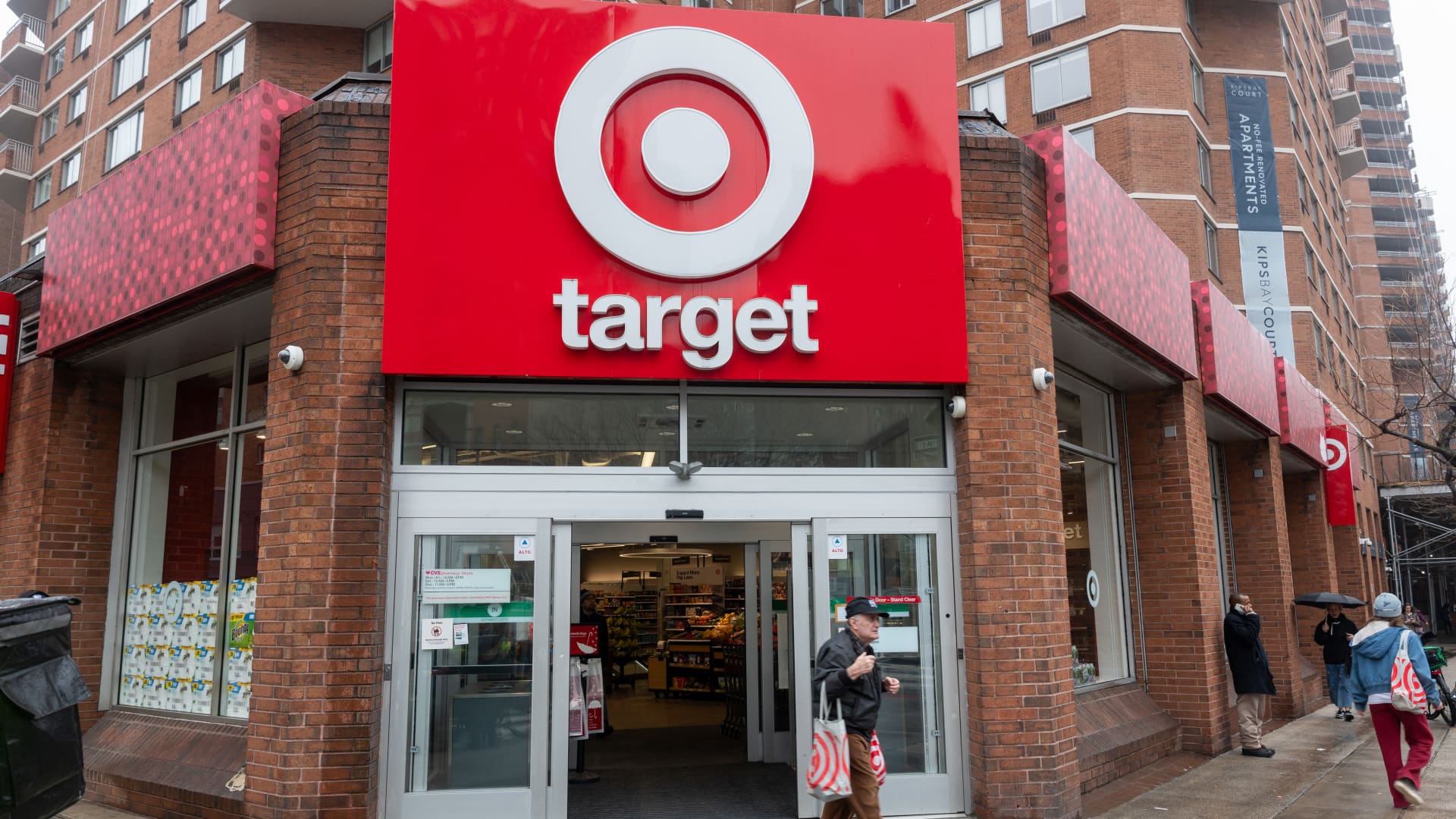
In 2023, Target announced plans to open several new locations across key markets, aiming to bolster its accessibility and enhance customer experience. Among the newest stores will be 50 small-format locations focusing on urban and suburban areas where traditional large-format stores might not be as viable. These stores will feature a curated selection of merchandise and aim to cater to the shopping habits of city dwellers.
Beyond physical expansion, Target is heavily investing in its digital infrastructure to support e-commerce growth. According to a recent report, online sales soared over 20% in the last fiscal quarter, prompting the company to enhance its digital capabilities and logistics networks. This dual focus on physical and online presence is reflective of a broader trend among retailers adapting to changing consumer behaviours.
Innovations and Community Engagement
As part of its expansion strategy, Target is also introducing several innovative initiatives, including sustainability efforts that focus on environmentally friendly products and packaging. The company has pledged to achieve net-zero greenhouse gas emissions by 2040. Additionally, Target continues to enhance its community engagement by supporting local suppliers and investing in local initiatives that seek to uplift and invigorate communities.
Conclusion and Future Outlook
Target’s expansion strategy is multifaceted, focusing not only on increasing the number of stores but also on enhancing the overall shopping experience through digital innovation and sustainability efforts. Moving forward, analysts believe that Target will continue to set new trends in the retail space, particularly as it adapts to the ever-evolving preferences of consumers. This strategy is not only expected to boost Target’s market share but also enhance customer loyalty, making it a key player in the retail landscape as we move into 2024.