








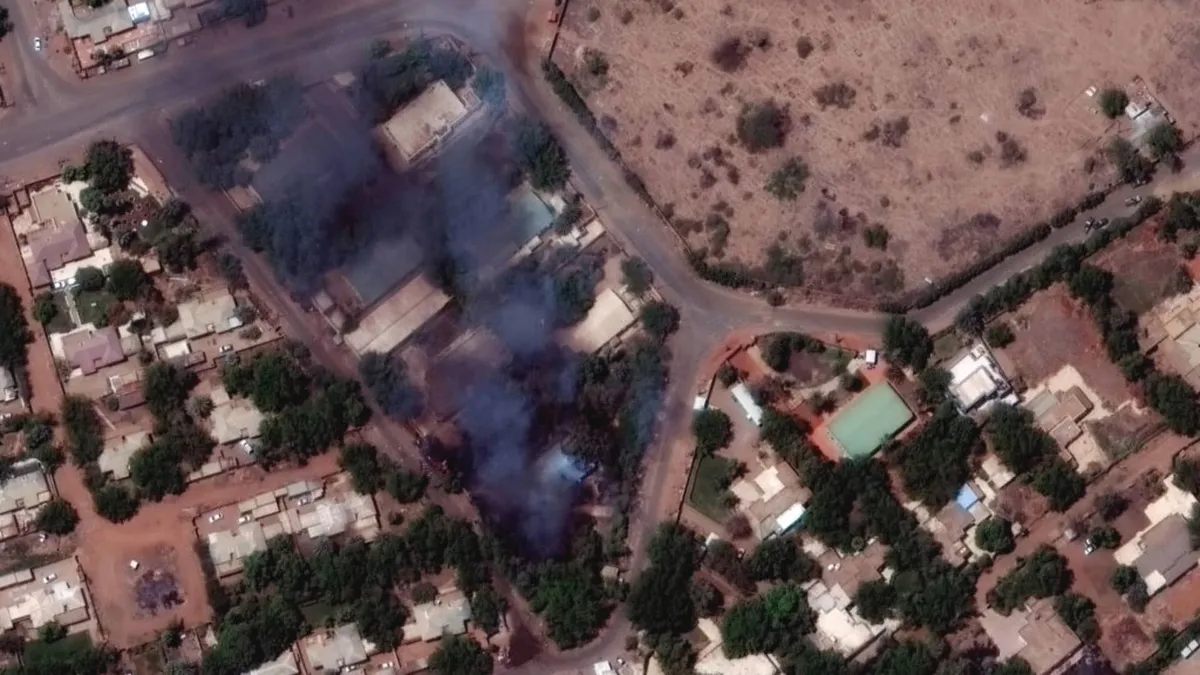
The civil war in Sudan, which erupted on April 15, 2023, was initially met with a mixture of concern and hope for a swift resolution. Many observers believed that the conflict would be short-lived, drawing parallels with previous uprisings in the region. However, as the situation has evolved, it has become clear that the conflict has not only persisted but has escalated into one of the most severe humanitarian crises in recent history.
As of now, the death toll estimates since the conflict began have reached alarming figures, with some sources suggesting that as many as 400,000 people have lost their lives. The violence has also resulted in more than 11 million people being displaced, marking it as the worst displacement crisis globally. The United Nations has characterized the humanitarian situation in Sudan as a nightmare, with over 30 million people in need of urgent assistance.
The turning point in the conflict occurred in early November 2023, when Rapid Support Forces (RSF) and allied militias launched a brutal multi-day rampage in Ardamata, Darfur, killing more than 800 individuals. This incident underscored the deteriorating security situation and the RSF’s involvement in mass atrocities and ethnic cleansing, further complicating an already dire humanitarian landscape.
In the wake of these developments, the impact on the civilian population has been devastating. The UN Security Council responded by passing a resolution on March 8, 2024, calling for an immediate cessation of violence. However, the effectiveness of such measures remains uncertain, as the RSF continues to exert control over key regions, including the capture of El Fasher, the capital of North Darfur, on October 27, 2024.
Experts have voiced grave concerns about the implications of the ongoing conflict, particularly for vulnerable populations. According to Humanity & Inclusion, the humanitarian situation has reached ‘catastrophic levels’ for civilians, especially for the estimated 4.6 million people living with disabilities. The organization highlights that these individuals face extreme challenges, as the ongoing violence poses constant threats in homes, schools, and hospitals, severely restricting access to essential services.
Looking ahead, the international community is attempting to address the crisis through diplomatic channels. A significant event is scheduled for April 15, 2026, when an international conference on Sudan will take place in Berlin, coinciding with the third anniversary of the conflict. This conference aims to bring together Sudanese representatives and international stakeholders to discuss potential pathways to peace and stability.
Despite these efforts, the situation remains precarious. Carl Skau from the World Food Programme has emphasized the urgency of the crisis, stating, “We are running out of time.” The need for immediate action is critical, as humanitarian organizations struggle to meet the overwhelming demand for assistance amidst ongoing violence and instability.
As the conflict in Sudan continues to unfold, the humanitarian implications are profound and far-reaching. The international community must remain vigilant and responsive to the needs of the Sudanese people, who are enduring one of the most challenging crises of our time. Details remain unconfirmed regarding the full extent of the humanitarian impact, but the need for concerted action has never been more pressing.