









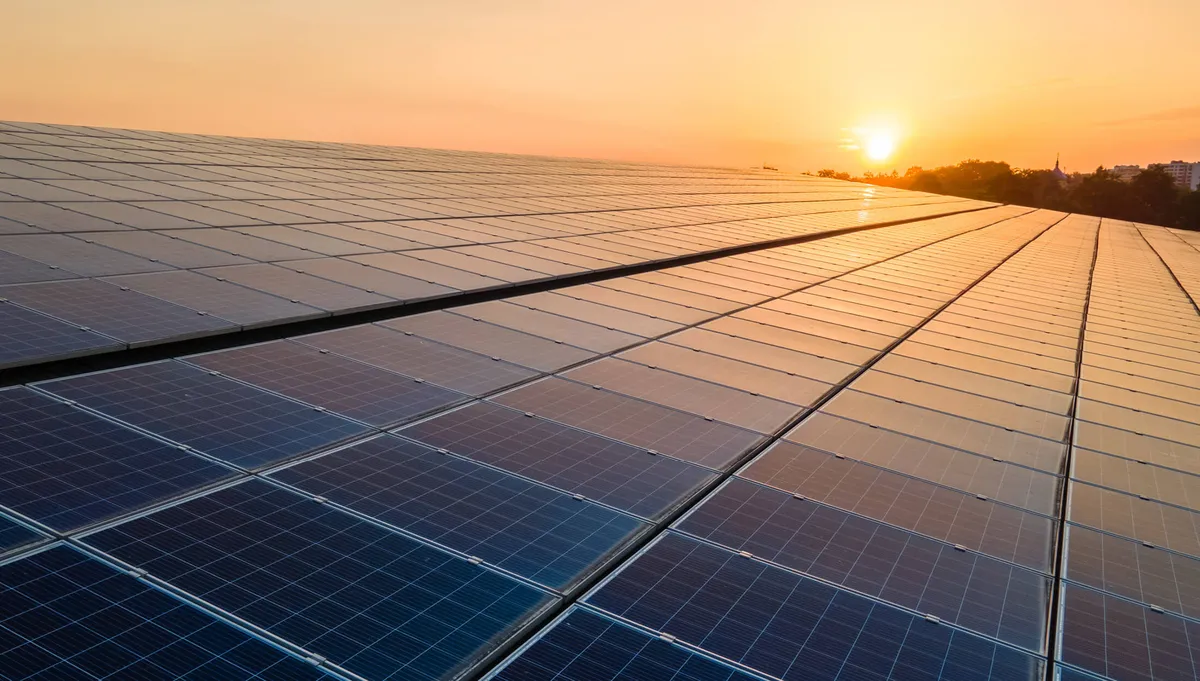
The Punjab government has made a significant decision to extend its free solar panel scheme by six months, a move that underscores the growing importance of solar energy in the region. This initiative aims to provide over 94,000 solar systems to low-income consumers through a lottery system, making renewable energy more accessible to those who need it most.
As of early 2026, more than 800,000 applications have been received for the solar panel scheme, indicating a strong demand for solar energy solutions among the population. The scheme will be implemented across all districts and tehsils of Punjab, reflecting a comprehensive approach to energy distribution and sustainability in the province.
The extension of the solar panel scheme is part of a broader trend in Pakistan, where the adoption of solar energy has led to significant economic benefits. By February 2026, Pakistan had avoided over $12 billion in oil and gas imports due to the increasing reliance on solar energy. This shift has been remarkable, with solar imports rising from under 1 GW in 2018 to over 51 GW by early 2026, showcasing the rapid expansion of the solar energy sector in the country.
The World Bank has played a crucial role in supporting these initiatives, channeling USD 100 million into the Sindh Solar Energy Project. This funding is expected to facilitate the distribution of 200,000 subsidized solar systems to low-income households in Sindh in 2024, further enhancing the reach of solar energy across Pakistan.
In addition to local efforts, international projects like those launched by Senelec in Senegal highlight the global movement towards renewable energy. Senelec’s two solar-storage hybrid projects, including the Diass project with a battery energy storage system and the Linguère project combining a solar plant with a significant storage capacity, are part of Senegal’s National Energy Pact, which aims for a 40% renewable share in the national electricity mix.
These developments in solar energy not only contribute to environmental sustainability but also promote energy independence for countries like Pakistan. The financial savings from reduced oil and gas imports can be redirected towards further investments in renewable energy infrastructure, creating a positive feedback loop that benefits the economy and the environment.
While the current initiatives show promising results, uncertainties remain regarding the long-term sustainability and maintenance of these solar systems. As the demand for solar energy continues to grow, the Punjab government and other stakeholders will need to address potential challenges in system upkeep and energy distribution.
Details remain unconfirmed as further developments in the solar energy sector are anticipated, with ongoing discussions about expanding the scope of these initiatives and ensuring that the benefits of solar energy reach all segments of the population.