









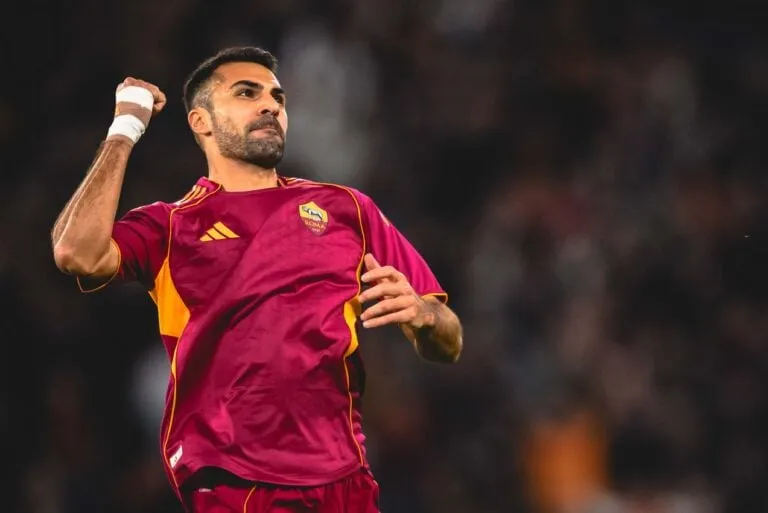
Before recent developments, Serie A was seen as a league with a rich history and a strong domestic talent pool. However, the landscape has shifted dramatically, particularly with the impending contract expirations of four key Roma players: El Shaarawy, Pellegrini, Dybala, and Celik, all set to leave by June 30, 2026.
The decisive moment came as Juventus and Inter expressed interest in signing Celik on a free transfer if an agreement for his contract renewal is not reached. This situation highlights the growing concern over player retention in Serie A, where clubs are now competing not just for victories but also for the ability to keep their top talents.
Additionally, the match on April 6, 2026, saw Matteo Politano score for Napoli against AC Milan, underscoring the ongoing competitive nature of the league. However, Serie A is also facing criticism for its declining attractiveness and its struggle to produce elite attacking talents.
Currently, foreign players make up nearly 69% of Serie A squads, a significant increase that reflects a broader trend in Italian football. This shift raises questions about the future of local talent development and the league’s identity.
Ezio Maria Simonelli has called for reforms, advocating for simplified transfer rules and financial incentives to promote local talent. His views echo the sentiments of many within the football community who are concerned about the direction Serie A is heading.
The Italian Football Federation is preparing for a new era following the resignation of Gabriele Gravina and the departure of Gennaro Gattuso, signaling a potential turning point for the league. As these changes unfold, the future of Serie A remains uncertain.
Details remain unconfirmed regarding the exact impact of these developments on player contracts and league reforms, but the urgency for action is clear. The league’s ability to adapt to these challenges will be crucial in shaping its future.