








Introduction
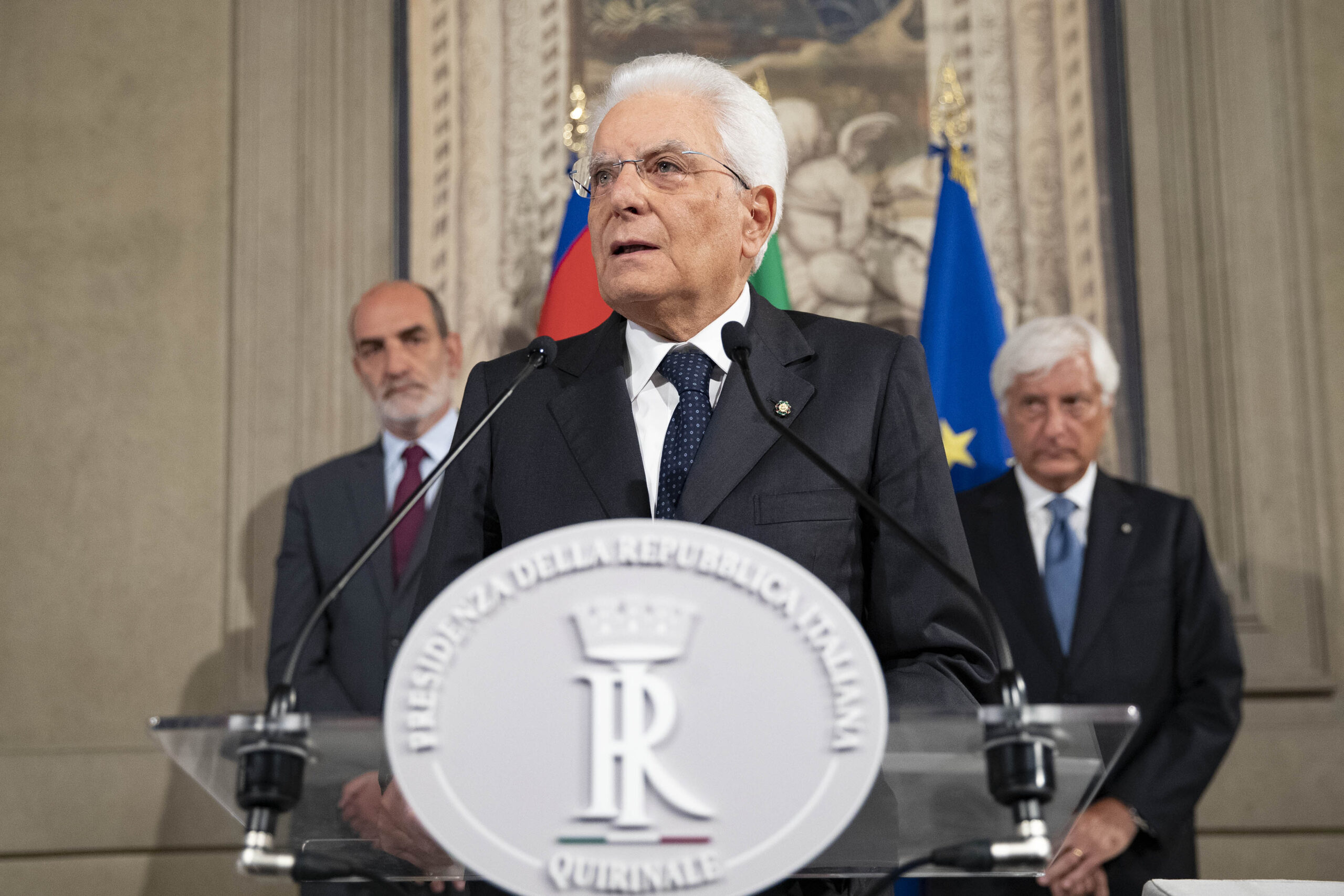
Sergio Mattarella has been a significant figure in Italian politics since his election as President of Italy in 2015. His leadership has been characterized by a commitment to stability and unity in a time of considerable political upheaval. As Italy navigates challenges such as economic recovery post-COVID-19 and the complexities of European Union relations, Mattarella’s role becomes increasingly crucial.
Political Landscape
Since taking office, Mattarella has been called upon to mediate various political crises. Most notably, in early 2021, he played a pivotal role in facilitating the formation of Mario Draghi’s government, which included both left and right political factions. This act showcased his dedication to ensuring a functional government and mitigating political fragmentation, a recurring theme in Italian politics.
Italy, with its parliamentary system, often experiences shifts in government that can lead to instability. Mattarella has consistently emphasized the importance of collaboration among political parties to address pressing issues such as the environment, economic reform, and social equality. His leadership style is characterised by patience and a desire for consensus, qualities that many consider essential for guiding Italy through turbulent waters.
Recent Developments
Recent events have seen Mattarella’s influence continue to shape Italy’s trajectory. With elections approaching in 2023, his call for political responsibility resonates amid ongoing discussions about immigration, EU regulations, and economic strategy in light of rising inflation rates. The President has urged those in power to focus on long-term goals rather than short-term populist measures, advocating for policies that would benefit Italy’s future.
Moreover, he has been vocal about the importance of Italy’s role within the EU, especially regarding collective responses to global issues, such as climate change and economic disparities. His speeches have frequently echoed the need for unity not only within Italy but also across European nations.
Conclusion
Sergio Mattarella stands as a stabilizing force in Italy’s often volatile political landscape. His presidency highlights a commitment to dialogue and consensus-building in efforts to address complex national challenges. As Italy approaches significant elections and continues to recover from the impacts of the pandemic, Mattarella’s influence will undoubtedly be felt. His leadership may well dictate the future direction of Italy, reinforcing the importance of collaboration and stability in governance. For citizens and observers alike, keeping an eye on Mattarella’s actions and decisions will be crucial in understanding the unfolding Italian political narrative.