









Introduction
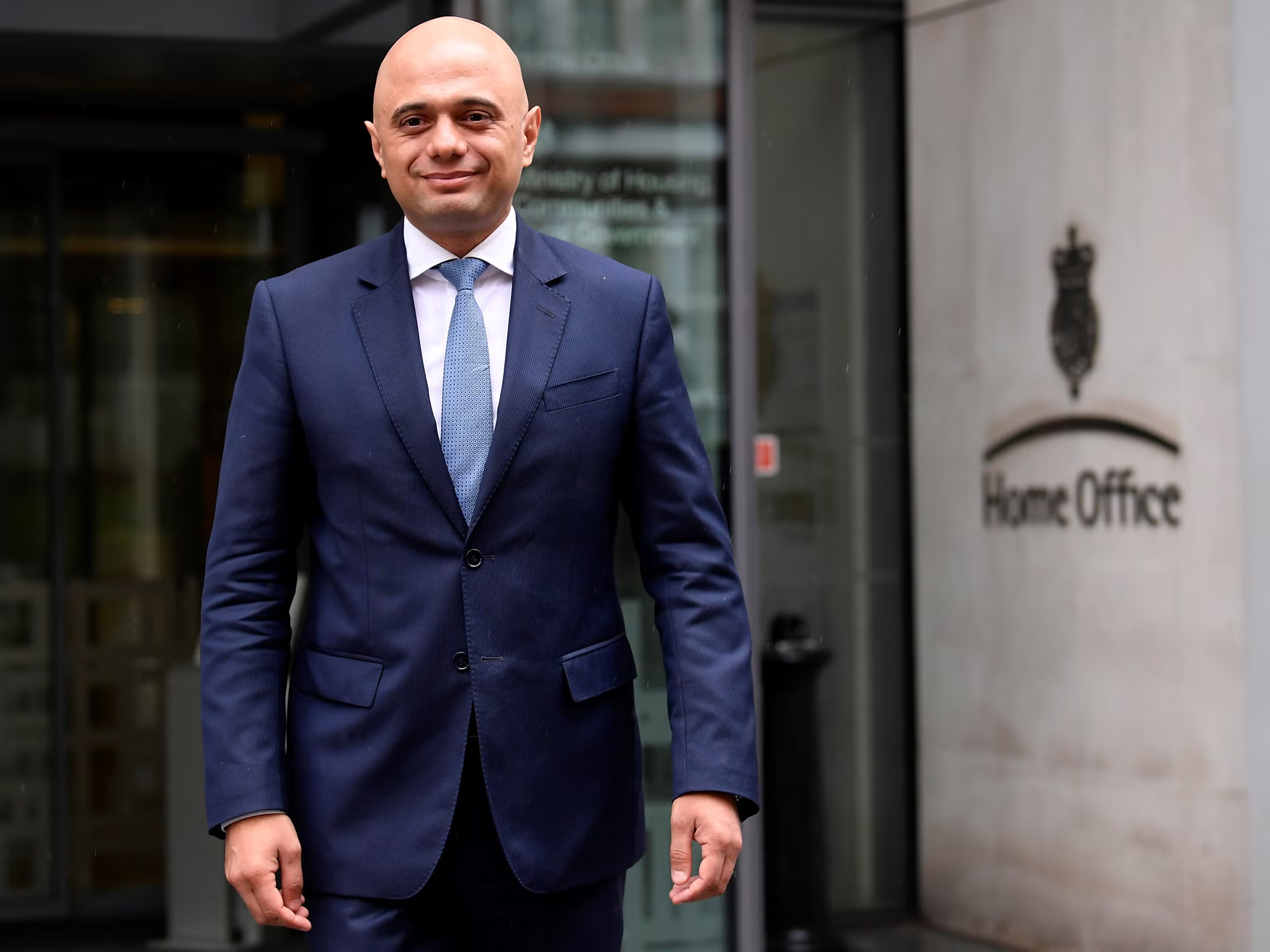
Sajid Javid, a notable figure in UK politics, has remained in the public eye following his recent appointment as the Secretary of State for Health and Social Care. His political journey and decisions continue to influence the landscape of British governance, particularly in the wake of ongoing discussions surrounding healthcare reforms and economic recovery post-pandemic. As the nation grapples with significant challenges, understanding Javid’s role and stance is vital for citizens and political analysts alike.
Recent Political Actions
In recent months, Javid has been vocal about the government’s strategy to enhance the NHS and tackle the backlogs exacerbated by the COVID-19 pandemic. With a budget of £36 billion earmarked for health and social care, he has outlined initiatives aimed at improving patient services and investing in the workforce. This includes pledges to recruit more staff and expedite treatment processes, which resonate with public concerns about waiting times and service accessibility.
Moreover, Javid has taken a strong stance on mental health services, recognising the increasing demand for support in this area. His initiatives aim to expand mental health coverage and integrate these services within community care, reflecting a growing awareness of the holistic needs of patients in contemporary healthcare.
Public Reception and Future Prospects
The public response to Javid’s strategies has been mixed. While health professionals have largely welcomed the focus on mental health, concerns persist about the feasibility of his ambitious plans given existing NHS pressures. Critics have pointed out that merely increasing funding may not address systemic issues within the healthcare system.
Looking ahead, Javid’s political trajectory is under scrutiny as he potentially prepares for higher responsibilities. Observers speculate whether he will seek a leadership position within the Conservative Party, particularly with ongoing debates about the party’s future direction. His handling of health policies could be pivotal in shaping his legacy and aspirations within UK politics.
Conclusion
Sajid Javid’s recent initiatives and decisions as Health Secretary are poised to significantly impact the future of healthcare in the UK. As he navigates the complexities of governance amidst challenges, his actions will be closely monitored by both supporters and critics. Understanding his strategies and their implications will provide valuable insight into the evolving political landscape and the health services that affect millions across the country. Javid’s political journey thus far has positioned him as a key player, and his future decisions will undoubtedly shape discussions well into the next election cycle.