









Introduction
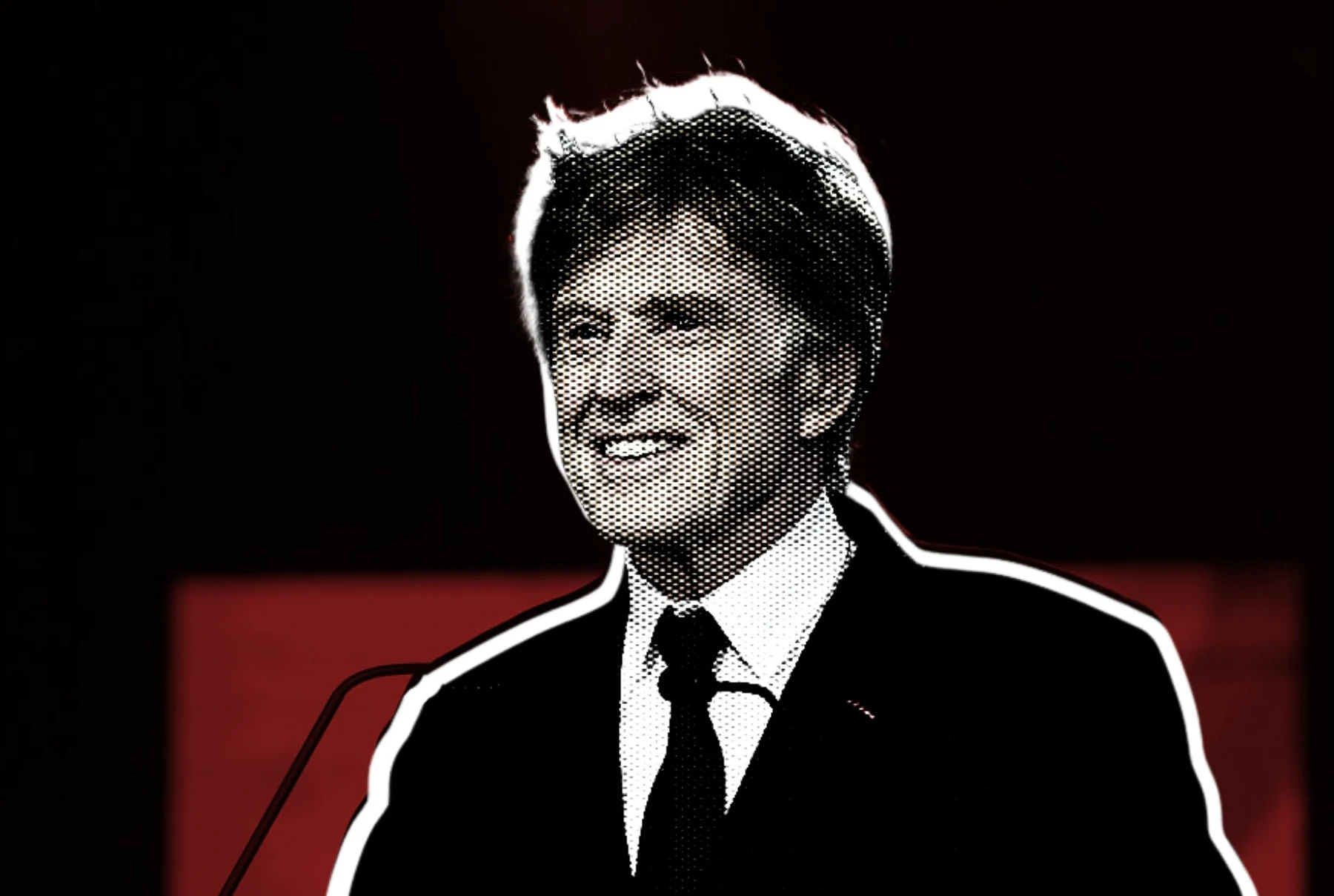
Robert Redford, an emblematic figure in the film industry, is renowned for his significant contributions as an actor, director, and producer. His relevance extends beyond the big screen, as he has also emerged as a prominent environmental activist and founder of the Sundance Film Festival. Redford’s artistic achievements and social advocacy have inspired many, making him a pivotal personality in contemporary culture.
Career Highlights
Born on August 18, 1936, in Santa Monica, California, Robert Redford began his career in the 1950s, gaining recognition for his roles in various television series. His breakthrough came in 1969 with the film Butch Cassidy and the Sundance Kid, in which he starred alongside Paul Newman. The film’s success propelled him to Hollywood stardom and established him as a leading man of his generation.
Redford’s directorial debut in 1980 with Ordinary People won him an Academy Award for Best Director, marking a significant milestone in his career. Throughout the subsequent decades, he continued to explore complex roles and poignant stories in films such as All the President’s Men, Out of Africa, and The Horse Whisperer. His work has not only garnered critical acclaim but also deeply resonated with audiences, reflecting societal issues and personal struggles.
Environmental Advocacy
In addition to his cinematic achievements, Redford has been a longstanding advocate for environmental conservation. He founded the Sundance Institute in 1981, which promotes independent filmmakers and environmental causes. His commitment to sustainability is evident in the RTW (Redford’s Trust for Wildlife) initiative, which aims to protect natural habitats and biodiversity.
Recently, Redford has spoken out against climate change, urging governments and individuals to take action to combat this urgent issue. His prominent voice in environmental advocacy has made him a respected figure in both Hollywood and activist circles, inspiring younger generations to engage in conservation efforts.
Conclusion
Robert Redford’s legacy goes beyond his impressive filmography; it encompasses his lifelong dedication to social and environmental issues. As he continues to champion sustainable practices and support new artistic voices, his influence remains significant. For the upcoming generation of filmmakers and activists, Redford serves as an inspiration, illustrating the powerful impact of storytelling in fostering social change and environmental stewardship. His journey reflects a life dedicated not only to creativity but also to a greater cause, reminding society of the interconnectedness of art, nature, and responsibility.