









What does the recent escalation of drone and missile threats against Riyadh signify for regional security? The answer lies in the ongoing tensions involving Iran and its influence in the region.
Saudi Arabia’s air defense systems have successfully intercepted multiple drones and ballistic missiles targeting Riyadh. Notably, a drone was intercepted near the Diplomatic Quarter, while a ballistic missile aimed at Al-Kharj was shot down, with debris landing near Prince Sultan Air Base.
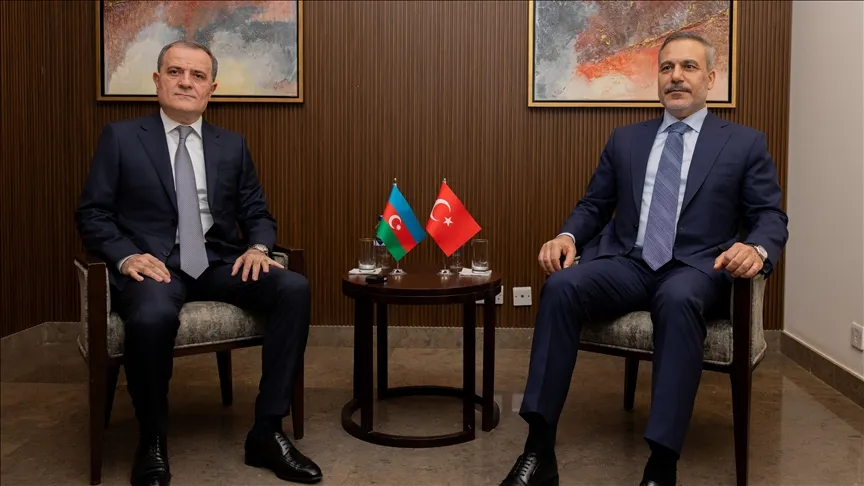
In response to these threats, foreign ministers from various Arab and Islamic countries convened in Riyadh to discuss the implications of Iranian attacks on regional states. This meeting included representatives from 12 countries, emphasizing the collective concern over Iran’s actions.
The foreign ministers issued a joint statement condemning Iranian attacks on civilian infrastructure, calling for Iran to cease its aggressive actions and respect the sovereignty of neighboring states. They underscored the right of affected nations to defend themselves under international law.
One key takeaway from the meeting was the assertion that “the future of relations with Iran depends on respecting the sovereignty of states and non-interference in their internal affairs.” This highlights the delicate balance of power in the region and the potential for further conflict.
Iran has been accused of supporting proxy groups across the region, which poses a significant threat to regional stability. Such actions, the ministers stated, “cannot be justified under any pretext,” indicating a strong stance against Iran’s military interventions.
As tensions continue to rise, the situation remains fluid, with further developments expected. The international community is closely monitoring these events, as they could have far-reaching implications for security in the Middle East.
Details remain unconfirmed regarding the full extent of the threats and the responses from Iran. However, the recent events in Riyadh underscore the urgent need for diplomatic efforts to de-escalate tensions and foster stability in the region.