







Introduction
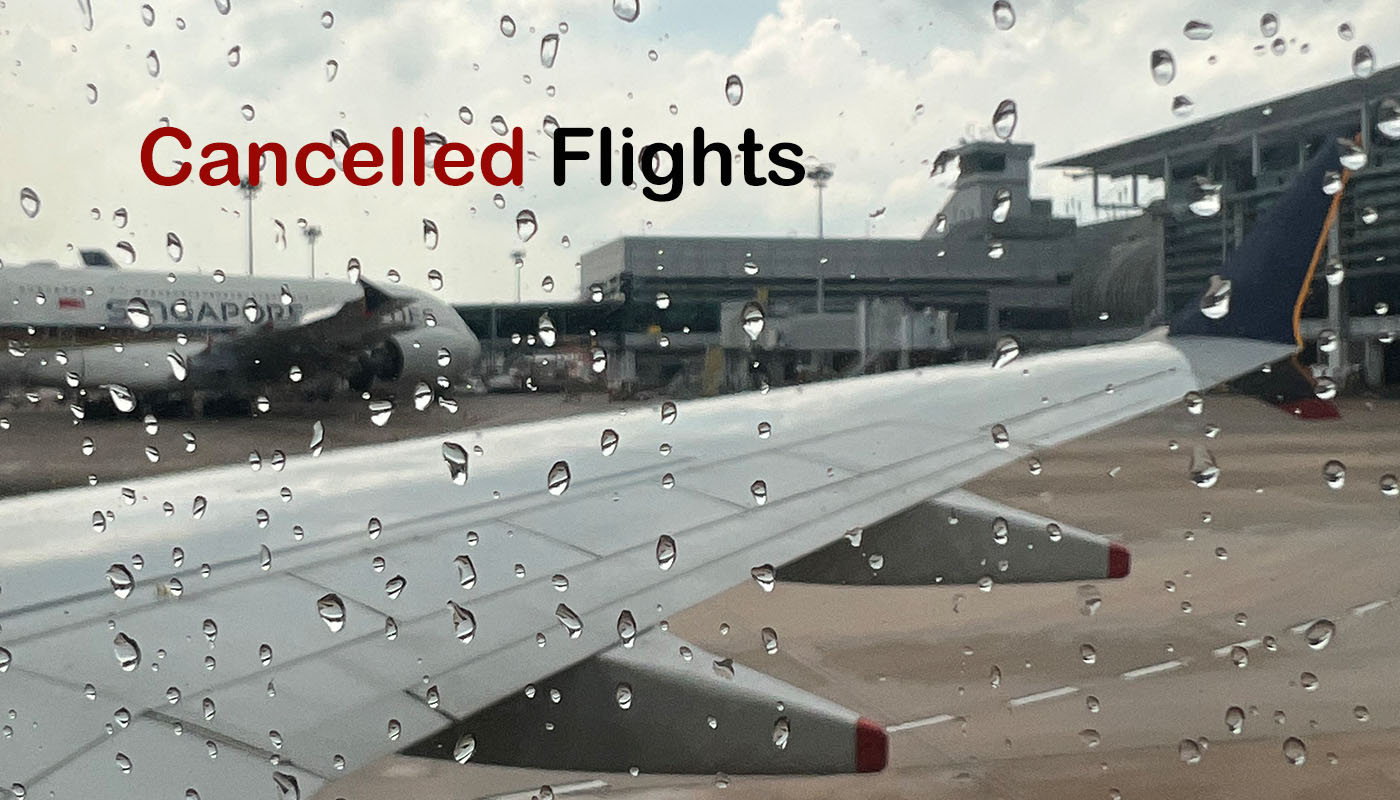
The travel sector has faced significant challenges in recent months, with rising instances of flights cancelled in Europe causing disruption for millions of travellers. As Europe continues to recover post-pandemic, various factors such as staffing shortages, adverse weather conditions, and air traffic control strikes have led to a concerning increase in flight cancellations. This article examines the current situation in European aviation, highlighting key events and their implications for passengers.
Recent Events and Trends
According to data from Eurocontrol, the European Organisation for the Safety of Air Navigation, over the past few weeks, approximately 20% of scheduled flights in major European airports have been cancelled on average. Airports such as London Heathrow, Paris Charles de Gaulle, and Amsterdam Schiphol have experienced the most significant disruptions, with thousands of passengers left stranded or forced to rebook travel arrangements. Factors contributing to this trend include:
- Staff Shortages: The aviation industry is facing a severe lack of personnel due to ongoing recruitment struggles and high turnover rates. Many airports and airlines have not been able to fill vacancies created during the pandemic.
- Weather Conditions: Unpredictable weather patterns, including storms and heavy rainfall, have led to last-minute cancellations to ensure passenger safety.
- Air Traffic Control Strikes: Strikes among air traffic controllers in various countries have caused widespread delays and cancellations, further complicating travel schedules.
In light of these disruptions, several airlines have been proactive in responding to cancellations. Budget airlines such as Ryanair and easyJet have recently issued statements encouraging passengers to check their flight statuses ahead of time and provided options for rebooking or refunds.
Implications for Travellers
The increase in flight cancellations has significant implications for travellers across Europe. Many are facing financial stress due to additional costs associated with rebooking flights, accommodation, and unforeseen delays. Consumer rights groups are urging airlines to improve communication and transparency regarding cancellations to alleviate some of the burdens on affected passengers.
Conclusion
As the European travel industry navigates these challenges, it is crucial for travelers to stay informed about their rights and available options. Experts predict that the situation may not improve significantly until staffing levels stabilise and broader industry reforms are implemented. The surge in flights cancelled in Europe serves as a stark reminder of the ongoing complexities within the aviation sector. For those planning to travel in the coming months, caution and flexibility will be key to navigating this unpredictable landscape.