









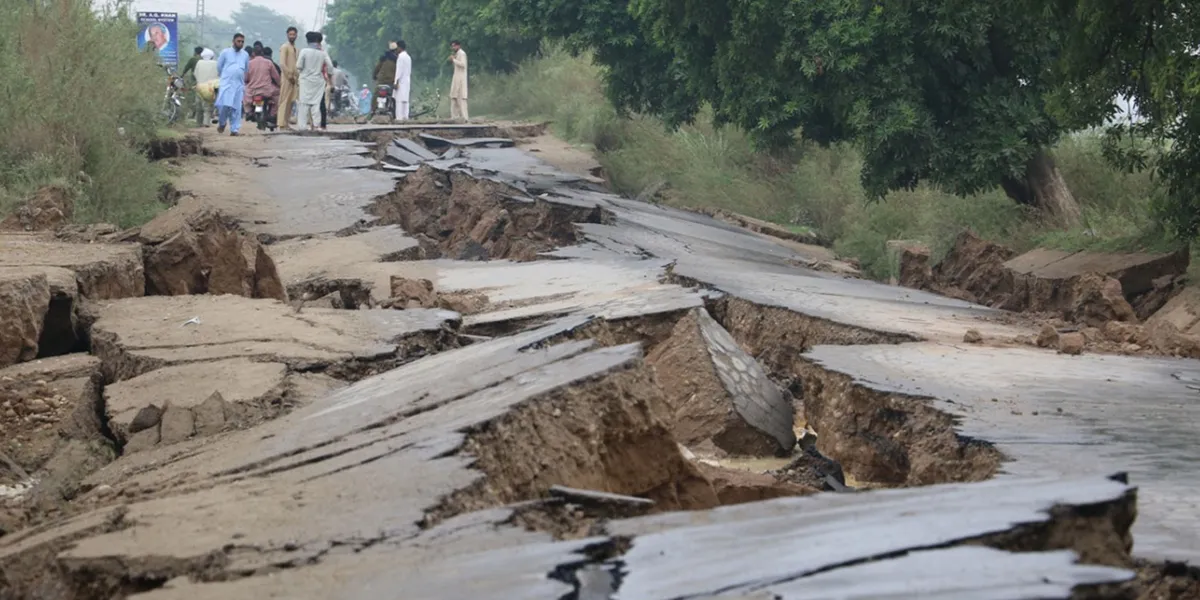
On April 3, 2026, at 9:13 PM PST, a 6.1-magnitude earthquake struck Islamabad and parts of Punjab and Khyber Pakhtunkhwa. The earthquake’s epicenter was located in Afghanistan’s Hindu Kush region, occurring at a depth of 190 kilometers.
Tremors were felt across various districts, including Rawalpindi, Peshawar, Muzaffarabad, and Skardu. Residents in Lahore, Mianwali, Jhang, and Faisalabad also reported strong tremors. The earthquake was initially measured at a magnitude of 6.2 by the Pakistan Meteorological Department but was later downgraded to 5.9 and then to 5.8.
Despite the intensity of the quake, no significant damage or casualties have been reported in Pakistan. Bilal Ahmed Faizi from Rescue 1122 noted, “Earthquake tremors were felt in various districts of K-P, including Peshawar; however, Rescue 1122 control has not received any calls from the public yet.” This indicates a relatively calm response from the public in the aftermath.
In Afghanistan, however, the situation was more severe, with at least six people reported killed due to a house collapse linked to the earthquake. The tremors were also felt in Kabul, the Afghan capital, and even reached as far as New Delhi, India, according to Reuters witnesses.
The Inspector General of Police (IGP) in Pakistan, Ali Nasir Rizvi, ordered all officers to submit situation reports from their jurisdictions without delay, emphasizing the importance of assessing the impact of the earthquake.
The authority has advised the public to report any earthquake-related damages through its helpline at 1129. This proactive approach aims to ensure that any potential issues are addressed promptly.
Pakistan’s susceptibility to earthquakes is well-documented, stemming from its location along the boundary of the Indian and Eurasian tectonic plates. This geographical reality makes the country vulnerable to seismic activities.
As of now, details remain unconfirmed regarding any aftershocks or further developments related to this earthquake. Authorities continue to monitor the situation closely.
The recent earthquake serves as a reminder of the natural hazards faced by the region and the importance of preparedness in mitigating potential risks associated with such events.