









Introduction
The World Health Organization (WHO) plays a pivotal role in managing global health issues and ensuring public health security worldwide. As the leading authority on international health, the organization is crucial in today’s context, where pandemics, health inequities, and climate change increasingly affect health outcomes. This article delves into the recent developments and initiatives led by the WHO to address these pressing issues.
Recent Initiatives and Updates
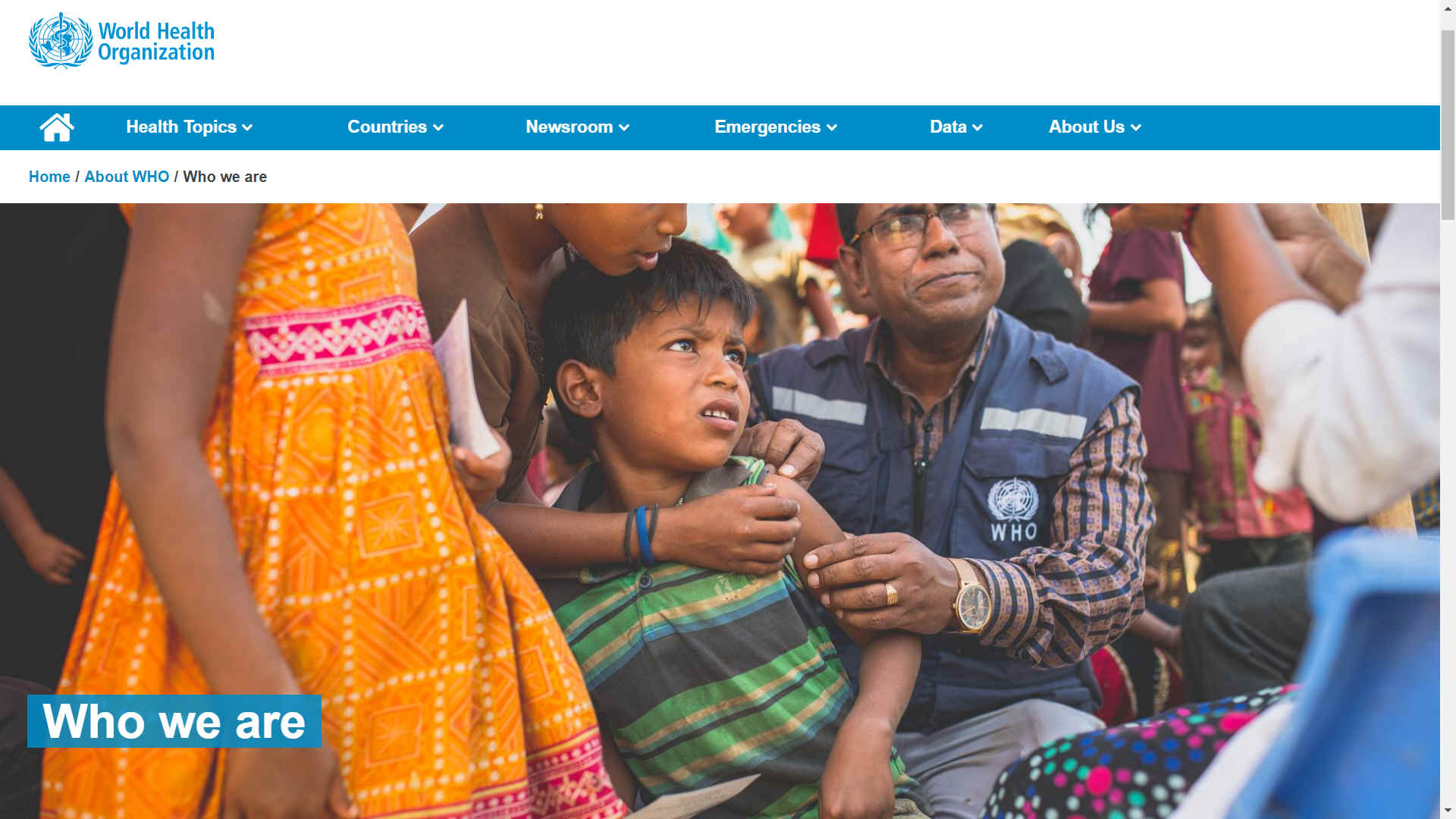
Recently, the WHO has launched several initiatives emphasizing vaccine distribution and health equity, especially in low-income countries. In October 2023, the organization reported that over 2 billion COVID-19 vaccine doses had been administered through its COVAX initiative, aiming to ensure that all countries have fair access to essential vaccines.
In addition, the WHO is focusing on health system strengthening, especially in response to the challenges highlighted during the pandemic. The organization is advocating for increased funding for health services through its “Global Health Emergency Fund” which aims to bolster preparedness for future health crises by enabling nations to build resilient health systems.
Another significant area of focus for the WHO is mental health. In response to the rising mental health challenges exacerbated by the COVID-19 pandemic, the WHO has initiated a global campaign to develop better mental health policies and provide resources for mental health care. This move aims to address the alarming rise in mental health issues globally, promoting well-being at all levels of society.
Future Directions
Looking ahead, the WHO aims to enhance global collaboration in addressing the consequences of climate change on health. In its recent press briefing, the organization highlighted a report that links environmental factors to increased health risks, urging nations to commit to sustainable practices that will safeguard public health. The WHO’s upcoming “Global Health Summit” plans to bring together stakeholders to discuss integrative strategies to tackle the intertwined challenges of health and climate change.
Conclusion
The significance of the World Health Organization in shaping global health policies and responding effectively to health emergencies cannot be overstated. As it moves forward with its initiatives, the cooperation of member states and international partners will be vital in realising these goals. Readers should stay informed on WHO updates, as they will have profound implications for health policies and practices worldwide. Global health security and equity depend considerably on the actions taken by the WHO and the international community’s response to its guidance.