









Recent Developments in Ration Card Policies
In recent months, significant changes have occurred regarding ration cards in Telangana and Haryana, impacting millions of beneficiaries. As the central government advised states to distribute three months’ worth of supplies at once to ration beneficiaries, states have begun to implement these changes. This initiative aims to assist those relying on public distribution systems (PDS) to cope with rising temperatures during the summer months.
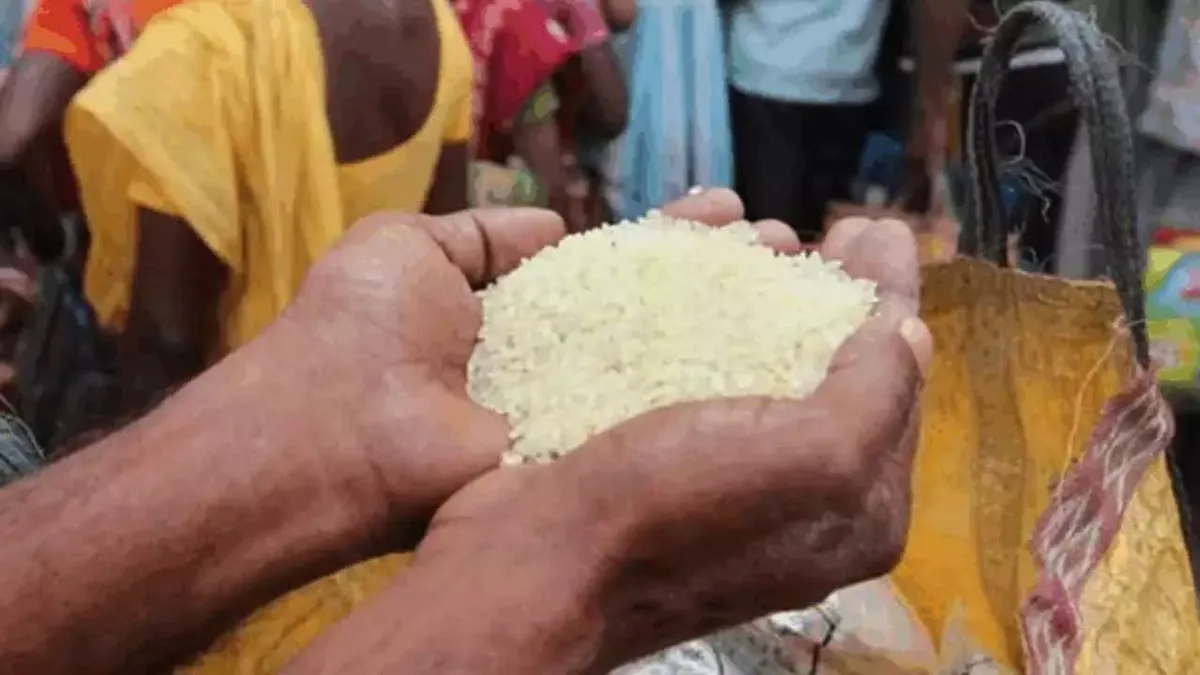
In Telangana, the government has committed to providing 6 kg of ‘sannabiyyam’ per month to each of its over one crore ration cardholders. Under the Centre’s plan, beneficiaries are expected to receive a total of 18 kilograms of rice at once. However, authorities have raised concerns that nearly 200,000 metric tonnes of this stock could potentially be diverted to the black market, complicating the distribution process.
The state government in Telangana has opted to supply fine rice instead of coarse rice through the PDS, incurring an annual procurement cost of approximately ₹18,000 crore. Each month, 202,000 metric tonnes of rice is distributed to around 3.20 crore beneficiaries using 1.02 crore ration cards. This distribution is crucial for ensuring food security among the state’s vulnerable populations.
In contrast, Haryana has seen a dramatic reduction in the number of Below Poverty Line (BPL) and Antyodaya Anna Yojana (AAY) ration cards following the 2024 Assembly elections. The BJP-led government cancelled over 1.2 million ration cards, leading to a significant drop from 52,50,740 BPL/AAY cards in March 2025 to 39,88,155 by January 2026. This reduction represents nearly a 24 percent decrease in available cards.
Aditya Surjewala, a prominent Congress leader, has criticized the cancellations, stating, “The BJP had initially added lakhs of beneficiaries before the polls only to remove them afterwards.” He further emphasized that these cancellations have directly affected the food security of hundreds of thousands of poor families, highlighting the severe implications of such policy shifts.
Surjewala also pointed out that every district in Haryana has been affected by these changes, with Faridabad witnessing the highest cancellations at 126,564 cards, followed by Gurugram and Hisar. The exact impact of these ration card cancellations on food security remains unclear, raising concerns among advocates for the poor.
As the situation evolves, the final decision on the three-month distribution plan in Telangana is still pending, contingent on stock availability and feasibility. Meanwhile, the ongoing adjustments in Haryana continue to raise alarms about the accessibility of essential food supplies for the state’s most vulnerable populations.
Details remain unconfirmed regarding the broader implications of these ration card policies, but the developments in both states underscore the critical need for effective food distribution systems to support those in need.