






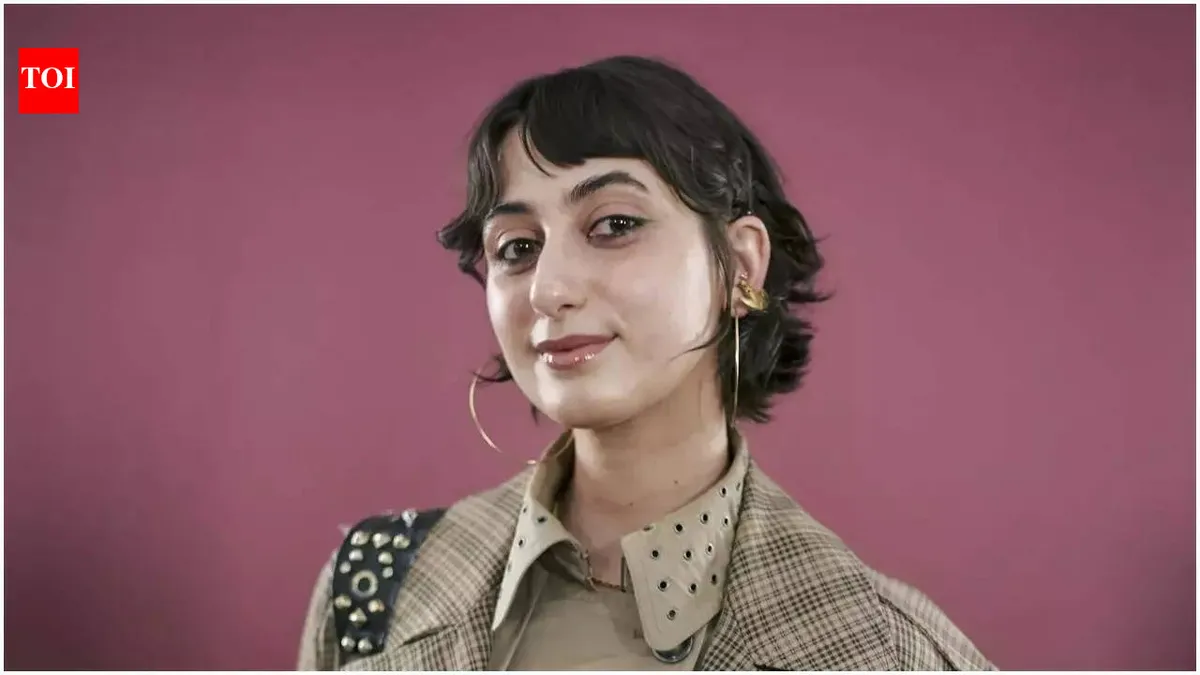
What impact does artistic expression have when intertwined with political statements? This question has arisen following the controversy surrounding artist Rama Duwaji in New York City. Duwaji’s artwork, published in February by Slow Factory, features an illustration of a woman and is accompanied by an essay on a Gaza displacement camp by Diana Islayih, edited by Palestinian-American author Susan Abulhawa.
The illustration, characterized by its black and white depiction of a woman with distinct features, has drawn attention not only for its artistic merit but also for the political implications associated with its creator. Key staffers at City Hall were reportedly unaware of Duwaji’s commission or Abulhawa’s controversial posts, which has led to questions about transparency and communication within the administration.
In a public response, Zohran Mamdani, a prominent figure in the pro-Palestinian movement, condemned Abulhawa’s language as “patently unacceptable” and “reprehensible.” This statement reflects the heightened tensions surrounding discussions of Israel and Palestine, particularly in the context of the ongoing conflict in Gaza.
Despite the backlash, Duwaji has not made any public comments regarding the controversy. Observers note that she is a private individual with no formal role in Mamdani’s campaign or City Hall, which raises further questions about the extent of her involvement in the political discourse.
Revelations have surfaced regarding Duwaji’s pro-Palestinian and anti-Israel social media activity, adding another layer to the debate. Mamdani himself has been vocal in his accusations against Israel, labeling its actions in Gaza as genocide and advocating for boycotts and divestment.
The situation has prompted the Anti-Defamation League to initiate a “Mamdani Monitor,” aimed at tracking policies that may affect the safety of the Jewish community in light of these events. This development underscores the broader implications of Duwaji’s artwork and the political climate surrounding it.
Duwaji, a Texas-born artist of Syrian descent, has previously contributed to major publications such as The Cut, BBC, Vogue, and The New Yorker, indicating her established presence in the art world. However, the current controversy may overshadow her artistic achievements.
As the discourse continues, questions remain about the future of Duwaji’s work and the potential repercussions for those involved. Scott Richman, a community leader, noted, “However, we have not heard from her. Does she have a problem with the author and her statements? We just don’t know.” Details remain unconfirmed.
In a broader context, Amy Spitalnick remarked, “Part of governing is recognizing that inevitably, doing the right thing is going to upset part of your coalition,” highlighting the complex interplay between art, politics, and community dynamics.