









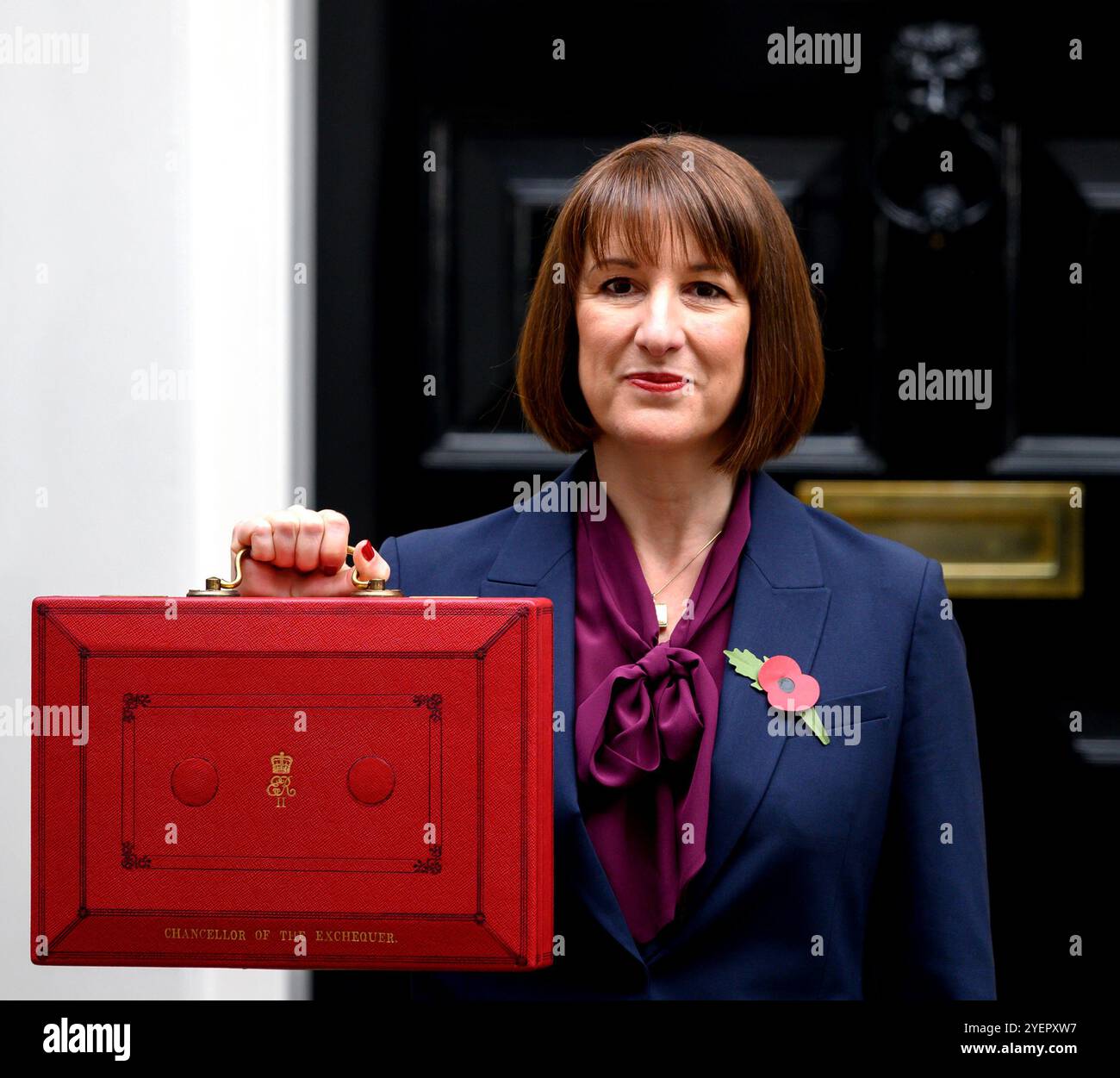
Introduction
Rachel Reeves, the current Shadow Chancellor of the Exchequer, has emerged as a significant figure in UK politics, particularly within the Labour Party. As the nation grapples with economic challenges, Reeves' leadership is crucial for shaping Labour's policies and strategies leading up to the next general election. Her role not only reflects her party’s stance on crucial economic issues but also her potential influence on the future of UK governance.
Key Policies and Initiatives
Reeves has consistently advocated for progressive economic policies that respond to the needs of ordinary citizens. In recent speeches, she has focused on the pillars of job creation, sustainable growth, and public investment. One of her significant proposals includes increasing the minimum wage and improving worker protections. Additionally, she has outlined plans to tackle the cost-of-living crisis, which has become a central issue for many voters.
In a recent address at the Labour Party Conference, Reeves emphasised the importance of investing in green technology and infrastructure as a means to both create jobs and address climate change. This approach not only aims to stimulate economic recovery but also aligns with the global shift towards more sustainable practices.
Reeves’ Approach to Economic Challenges
The ongoing challenges posed by inflation and economic instability are issues Reeves is addressing head-on. She has articulated a vision for a ‘New Deal for Britain’, calling for greater government intervention to support industries affected by recent market fluctuations. By proposing tax reforms to ensure that the wealthiest contribute their fair share, Reeves aims to redistribute resources and support public services.
Reeves’ strategy has garnered attention and mixed reviews from political analysts and economists alike. Some praise her proactive stance, while others call for further clarity on funding mechanisms and long-term sustainability of her proposals.
Conclusion
As Rachel Reeves continues to rise in the political sphere, her influence on the Labour Party and its economic policies is becoming increasingly significant. Her commitment to progressive reform could reshape how the Labour Party connects with voters, particularly those largely affected by economic disparities. With the next general election on the horizon, Reeves’ ability to articulate a clear and coherent economic vision may well define the party’s electoral success. For readers invested in UK politics, monitoring Reeves’ progress and policy proposals will be crucial in understanding the future landscape of British governance.