









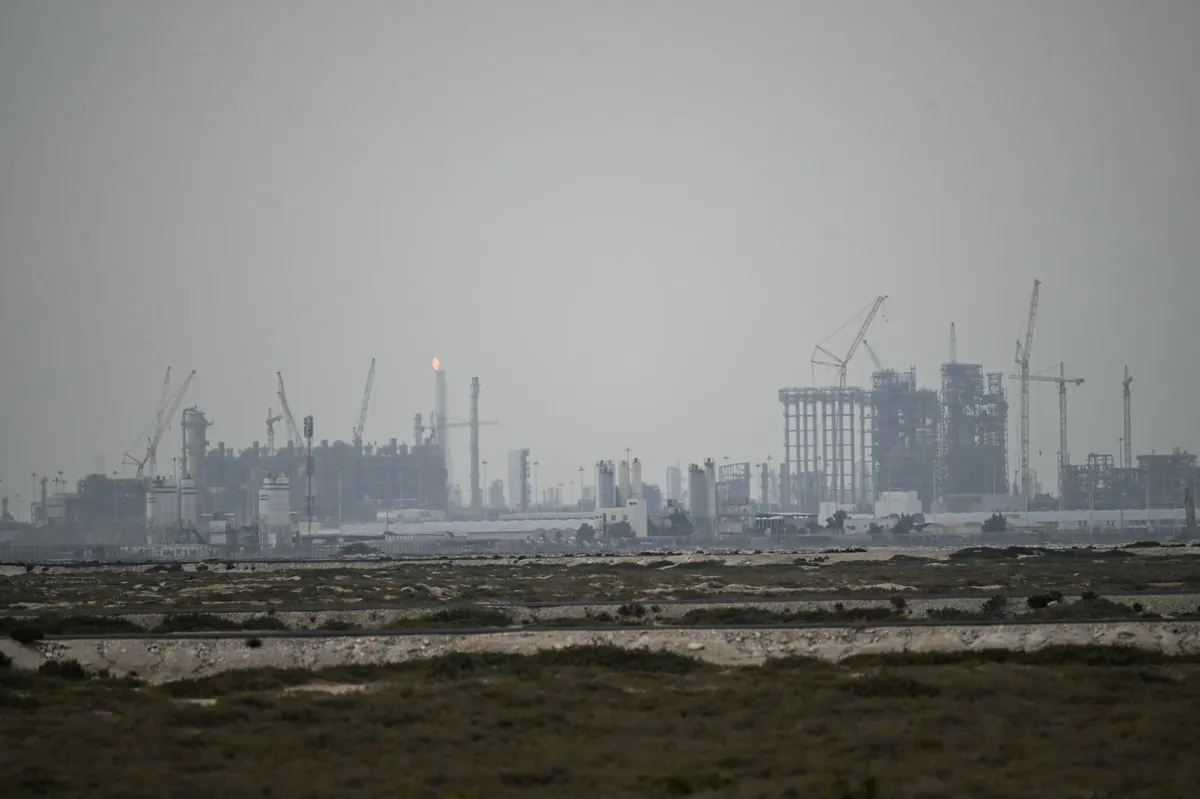
In a significant escalation of regional tensions, Iran’s Islamic Revolutionary Guard Corps issued an evacuation warning to several oil facilities across Saudi Arabia, the UAE, and Qatar. This warning follows Iran’s recent attacks on energy facilities, including gas infrastructure in Qatar, which have raised alarms about the security of energy supplies in the region.
The immediate circumstances surrounding these developments are alarming. Iran’s attacks are reportedly a response to Israel’s actions targeting the world’s largest natural gas field. Iranian President warned of “uncontrollable consequences” that “could engulf the entire world,” highlighting the potential for further escalation.
In a broader context, the situation is compounded by the recent temporary ceasefire between Pakistan and Afghanistan, mediated by Qatar and Turkiye. Saudi Arabia and Qatar welcomed this ceasefire, emphasizing the importance of sustaining efforts for peace and resolving matters through negotiations.
The Qatari Ministry of Foreign Affairs stated that the ceasefire will help reduce tensions, indicating a proactive stance in diplomatic efforts. “Promoting peace is essential for regional stability and the safety of the people,” a Saudi official remarked, underscoring the collective desire for a stable environment amidst rising threats.
Furthermore, Iran’s actions have effectively shut the Strait of Hormuz, a critical passage for a fifth of the world’s oil supply. This blockade raises concerns not only for the Gulf states but for global energy markets as well.
As regional powers respond to these developments, the State of Qatar has reaffirmed its commitment to continue diplomatic efforts aimed at de-escalating tensions. The situation remains fluid, and details remain unconfirmed regarding the full extent of the Iranian attacks and their implications for regional security.
In light of these events, the Israeli Defence Minister has hinted at potential surprises to come, adding another layer of uncertainty to the already volatile situation. As nations navigate these challenges, the focus remains on diplomatic solutions to ensure stability in the region.