







Reaction from the field
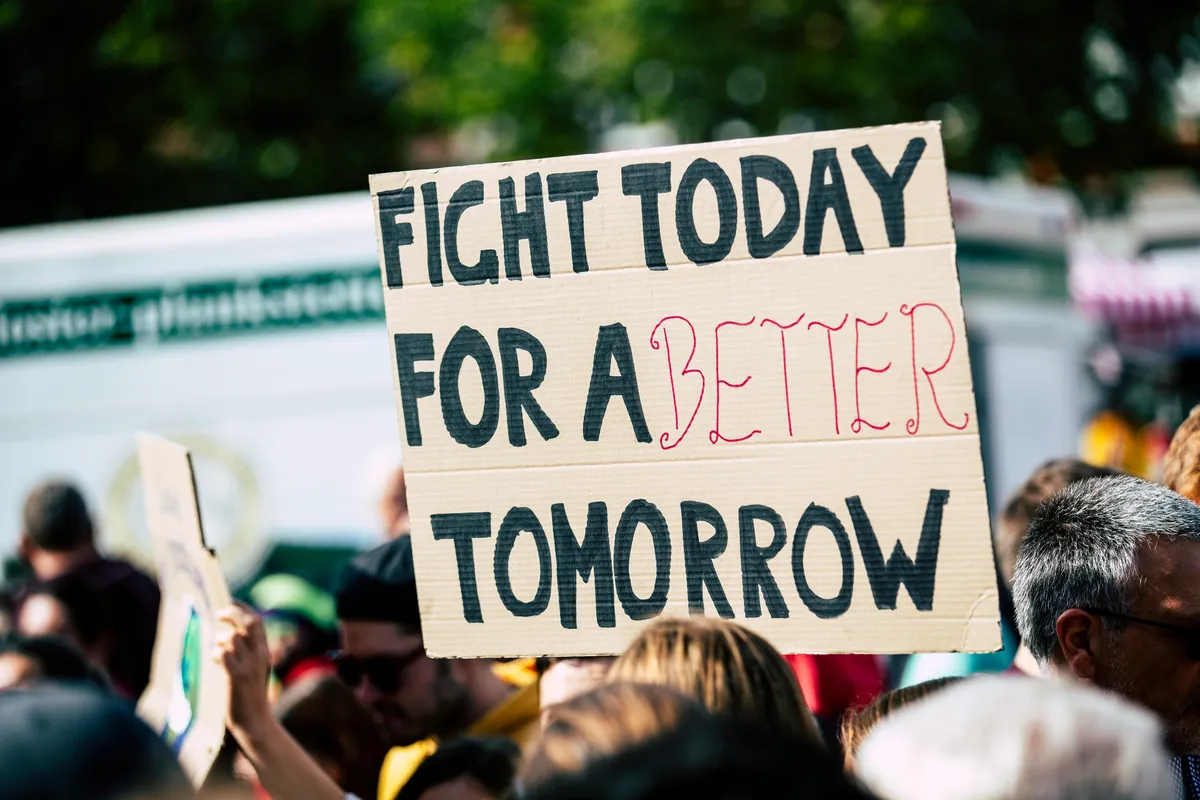
Protests have erupted across Ireland, Rawalpindi, and Serbia, each driven by unique local issues but collectively highlighting rising social tensions. In Ireland, demonstrators have taken to the streets in response to a recent 4% increase in fuel prices due to tax changes, demanding reductions in fuel taxes. The protests have caused significant traffic disruptions, prompting Dublin Airport to advise passengers to allow extra travel time.
In Rawalpindi, the district administration has imposed Section 144 for 15 days ahead of a planned protest by the Pakistan Tehreek-e-Insaf (PTI) on April 9, 2026. This date marks four years since the party was removed from power. The PTI’s protest is expected to draw attention to the ongoing political turmoil, especially as its leader, Imran Khan, remains in custody since August 2023 due to a corruption case involving £190 million.
Meanwhile, in Serbia, student protests have intensified following a tragic railway station incident in November 2024 that resulted in the deaths of 14 individuals. The Serbian government faces accusations of exploiting this tragedy to suppress dissent among students, with the Democratic Party stating, “The tragedy and death of a student of the Faculty of Philosophy are being used as a pretext for these dishonourable acts.” This sentiment has fueled further protests, as students demand accountability and justice.
As protests continue to unfold in these regions, the situation remains fluid. In Ireland, the protests against fuel prices reflect broader concerns about the cost of living and economic pressures faced by citizens. The Irish government is under increasing pressure to address these issues, especially as public sentiment grows more volatile.
In Rawalpindi, the imposition of Section 144 indicates the government’s attempt to curb potential unrest ahead of the PTI’s planned demonstration. Reports suggest that specific intelligence has indicated that certain groups are mobilizing to disturb law and order through large gatherings and disruptive assemblies. The outcome of the PTI’s protest remains uncertain, particularly given the current political climate and Imran Khan’s ongoing legal challenges.
In Serbia, the student protests are not just a reaction to the past tragedy but also a broader demand for reform and accountability from the government. The situation at the University of Belgrade, where the rector’s office was raided by police amid the protests, exemplifies the tension between the government and the student body. Students are increasingly vocal about their rights and the need for transparency in governance.
As these protests unfold, the potential for escalation remains a concern. Authorities in all three regions are likely to face challenges in managing public sentiment and maintaining order. Details remain unconfirmed regarding how these protests will evolve and whether they will lead to significant political or social change.