









In recent weeks, Pakistan has witnessed a significant shift in fuel pricing, with the government announcing a reduction in petrol prices. Previously, petrol was priced at Rs458.41 per liter, a figure that had been raised due to escalating global oil prices influenced by geopolitical tensions, including the US-Israeli war on Iran. This increase had placed considerable financial strain on consumers, leading to widespread dissatisfaction.
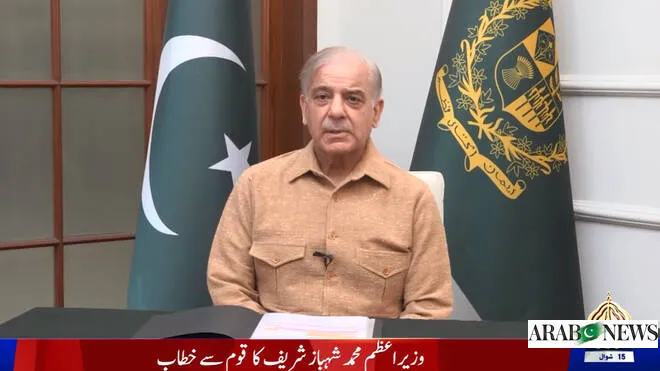
On April 3, 2026, Prime Minister Shehbaz Sharif declared a cut in petrol prices by Rs80 per liter, bringing the new price down to Rs378 per liter. This decision comes just a day after the government had raised petrol prices by Rs137.24 per liter and diesel by Rs184.49 per liter, which saw diesel prices reach Rs520.35 per liter.
The immediate effects of this price reduction are expected to alleviate some of the financial pressure on consumers, particularly motorbike users who will benefit from a subsidy of Rs100 per liter, capped at 20 liters per month for three months. Additionally, small farmers will receive a one-time payment of Rs1,500 per acre to help offset the increased costs associated with diesel.
However, the context of these changes is critical. Aimal Wali Khan from the Awami National Party criticized the government’s approach, stating, “The people of Pakistan are drowning in a storm of rising prices.” He further remarked that the recent price hikes were a strategic move to create public pressure, followed by a reduction framed as relief to garner political favor.
Adding to the economic landscape, the price of gold also saw fluctuations, with one tola of gold increasing by Rs1,100 to settle at Rs491,462, while silver rates decreased by Rs50 to reach Rs7,744 per tola. The international market price of gold gained $11, reaching $4,687 per ounce, indicating a complex interplay between local and global market dynamics.
As the government implements targeted subsidies to mitigate the impact of rising fuel prices, the long-term effects on the economy and consumer behavior remain to be seen. The recent adjustments in petrol pricing, while beneficial in the short term, come against a backdrop of rising costs in other essential commodities.
Details remain unconfirmed regarding the sustainability of these price changes and their potential impact on inflation rates in the coming months. The situation continues to evolve, and further announcements from the government may be anticipated as they navigate these economic challenges.