






Importance of PMQs
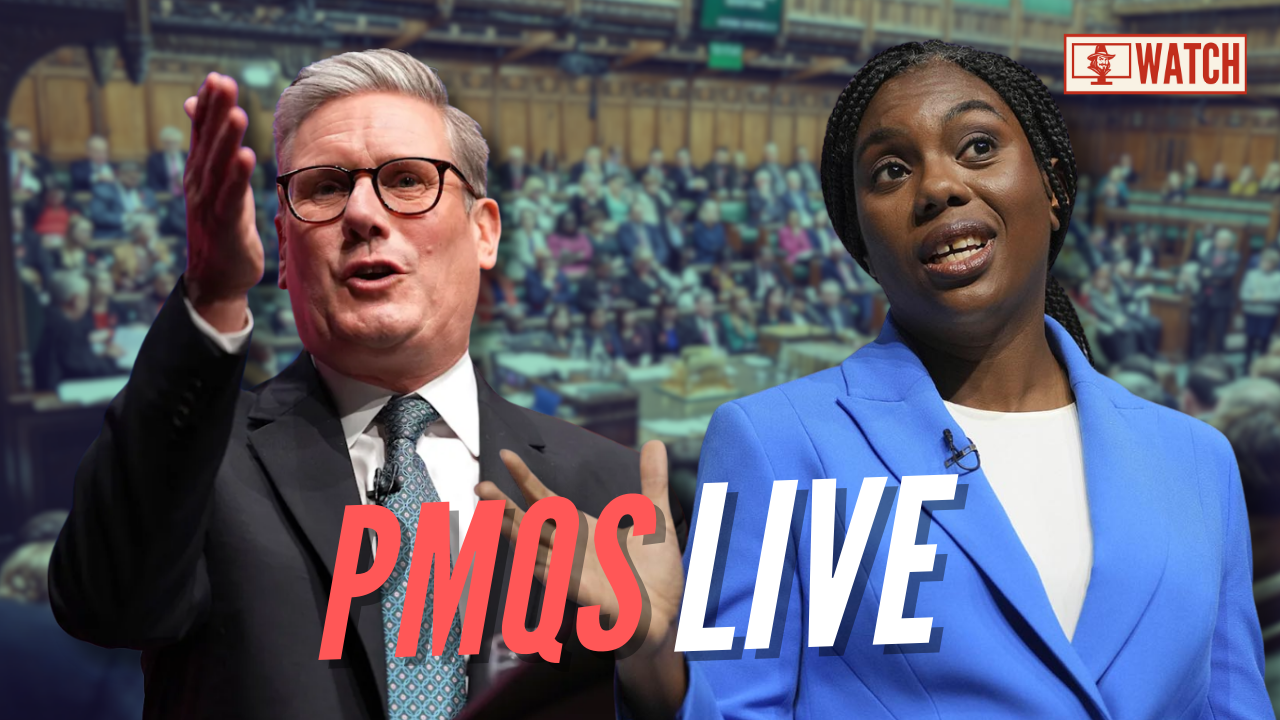
Prime Minister’s Questions (PMQs) is a critical event in the British political calendar, held every Wednesday when Parliament is in session. This session provides Members of Parliament (MPs) an opportunity to question the Prime Minister directly regarding government policy, current issues, or national pressing concerns. The relevance of PMQs cannot be overstated, as it serves as a platform for accountability and transparency, allowing the public to see how their representatives are engaging with the government.
Today’s PMQs Overview
On [insert date], the PMQs session took place amidst significant tension surrounding key issues such as the ongoing economic crisis, healthcare reforms, and the government’s response to climate change. Prime Minister Rishi Sunak faced a series of challenging questions from both opposition and some backbench Conservative MPs, focusing particularly on the rising cost of living and energy prices.
Notably, the Leader of the Opposition, [insert name], pressed the Prime Minister on the government’s handling of inflation, highlighting statistics that showed rising costs affecting households across the UK. Sunak defended his government’s record, insisting that measures are in place to alleviate financial pressures, including proposed tax cuts aimed at supporting low-income families.
Key Exchanges
A crucial moment came when [insert name], the Speaker of the House, had to remind MPs to maintain decorum as exchanges grew heated. The opposition leader accused the Prime Minister of failing to protect the most vulnerable, stating, “Families are struggling to make ends meet while the government seems out of touch with the realities faced by ordinary citizens.” Sunak countered, highlighting recent government initiatives aimed at bolstering the economy and investing in renewable energy to ensure a sustainable future.
Analysis
Today’s PMQs revealed a clear divide between the government and opposition on economic policies and social welfare issues. As the country faces significant challenges, these sessions may become increasingly critical in shaping public opinion and influencing future policy decisions. With only a few months to go until local elections, the effectiveness of PMQs in addressing constituents’ concerns is likely to be a focal point for both parties.
Conclusion
As PMQs continues to serve as an essential mechanism for political discourse in the UK, it will be crucial for both the government and opposition to maintain a clear line of communication with the electorate. The inquiries raised today demonstrate a desire for change and accountability, and it remains to be seen how the government will respond in the coming weeks. For citizens, this ongoing dialogue is vital in understanding the implications of government actions on daily life and preparing for what may be upcoming in local governance.