







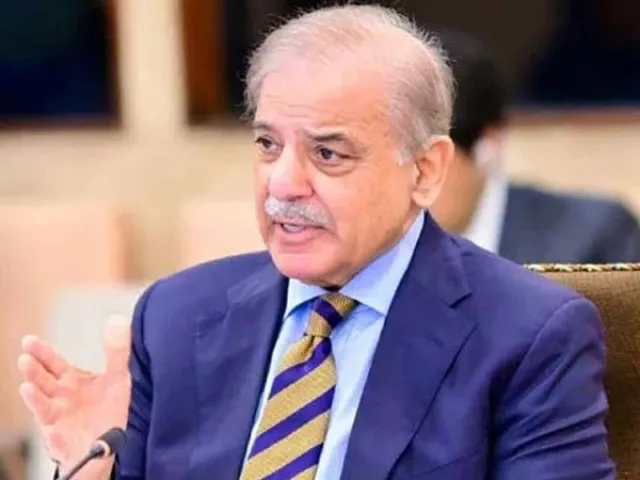
On March 16, 2026, Prime Minister Shehbaz Sharif of Pakistan declared that ensuring economic stability and providing public relief are the government’s foremost priorities. This announcement comes as the country grapples with rising fuel costs and economic challenges exacerbated by ongoing global tensions, particularly the US-Israel-Iran conflict.
Sharif emphasized the government’s readiness to confront any situation arising from these tensions, stating, “Economic stability and provision of relief to the public remain the government’s top priorities.” To address the immediate concerns, the government has directed petroleum distribution companies to sell products at prices determined by the government, ensuring full transparency in the process.
In a broader context, the national austerity plan has been implemented to manage the surging fuel costs, which have seen oil prices reach $100 per barrel due to the Iran conflict. As part of this plan, federal cabinet members are facing a two-month salary reduction, while parliamentarians will experience a 25 percent salary cut over the same period. Additionally, the official workweek has been reduced from five days to four in an effort to curb expenses.
Citizens are encouraged to report any fuel shortages or instances of overpricing through the Pak App, a measure designed to enhance transparency and accountability in the fuel distribution system. Furthermore, the Intelligence Bureau has been tasked with monitoring the implementation of the national austerity and fuel conservation plan to ensure compliance and effectiveness.
Key moments
Meanwhile, in the UK, Prime Minister Keir Starmer has also addressed the implications of the ongoing tensions, asserting that Britain will not be drawn into a wider conflict in Iran. Starmer highlighted the importance of reopening the Strait of Hormuz, a critical passage through which approximately 20 percent of global oil and liquefied natural gas flows, to stabilize the oil market. He announced a £53 million package aimed at supporting vulnerable households that rely on heating oil, amid rising energy costs.
Starmer’s government is facing increasing pressure to provide financial support to households, reminiscent of the £40 billion support given at the onset of the Ukrainian war. He stated, “Ultimately, we have to reopen the Strait of Hormuz to ensure stability in the (oil) market. That is not a simple task,” indicating the complexities involved in navigating international relations during this crisis.
As both leaders navigate these challenging circumstances, the focus remains on maintaining economic stability and ensuring public relief. The decisions taken by the committee formed in Pakistan to maintain economic stability have been described by Sharif as timely, ensuring the continuous supply of petroleum products for the public. However, the long-term economic impact remains uncertain, with predictions suggesting it may take between three to six months to fully assess the situation.
As the situation develops, both governments are under scrutiny to implement effective measures that will alleviate the burden on their citizens while addressing the broader implications of global tensions on their economies. Details remain unconfirmed regarding the full extent of the economic impact, but the commitment to prioritizing public welfare is evident in both Pakistan and the UK.