








The wider picture
The Philippines is heavily dependent on imported fuel to keep its power plants running. This reliance has made the nation vulnerable to fluctuations in global energy supply, particularly in times of geopolitical unrest. Recently, the situation has been exacerbated by the ongoing US-Israel war on Iran, which has raised concerns about the availability and stability of energy resources.
In response to these challenges, Philippine President Ferdinand Marcos Jr declared a national energy emergency on March 25, 2026. This declaration is set to remain in force for one year, allowing the government to implement measures aimed at mitigating the risks posed by disruptions in the global energy supply and its effects on the domestic economy. Marcos Jr stated, “The declaration of a state of national energy emergency will enable the government… to implement responsive and coordinated measures under existing laws to address the risks posed by disruptions in the global energy supply and the domestic economy.”
As part of the emergency response, the government has revealed that it has approximately 45 days of fuel supply remaining based on current consumption levels. To address this shortfall, the administration plans to procure 1 million barrels of oil to build a buffer stock. This action is critical as the country relies on coal for about 60% of its electricity generation, making it essential to secure stable fuel sources.
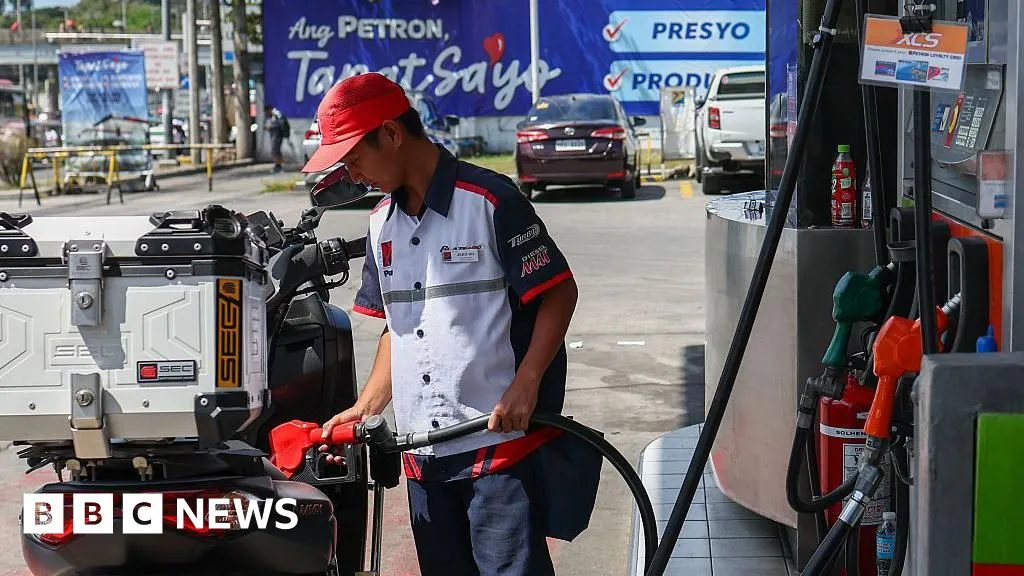
The emergency declaration also empowers the government to take action against hoarding and profiteering in the fuel sector. In an effort to support those most affected by rising fuel prices, the government is providing a 5,000 peso ($83) subsidy to motorcycle taxi drivers and public transport workers. Additionally, free bus rides are being offered to students and workers in some cities, aimed at easing the burden of transportation costs during this crisis.
However, not all parties are satisfied with the government’s response. The transport group Piston has called for further action, arguing that the government should suspend the Excise Tax and Value-Added Tax on petroleum products to significantly lower prices overnight. Their statement reflects a growing concern among transport workers and commuters who are feeling the pinch of rising fuel costs amid the geopolitical crisis.
Jose Manuel Romualdez, a key official in the administration, indicated that “All options are being considered” as the government navigates this challenging situation. This suggests that further measures may be on the horizon as officials assess the evolving energy landscape and its implications for the Philippine economy.
As the situation develops, observers are closely monitoring the government’s actions and the potential long-term effects of this energy emergency on the Philippines. The declaration underscores the precarious nature of the country’s energy security and the importance of diversifying energy sources to mitigate future risks. Details remain unconfirmed regarding additional measures that may be implemented in the coming weeks.