



Key moments
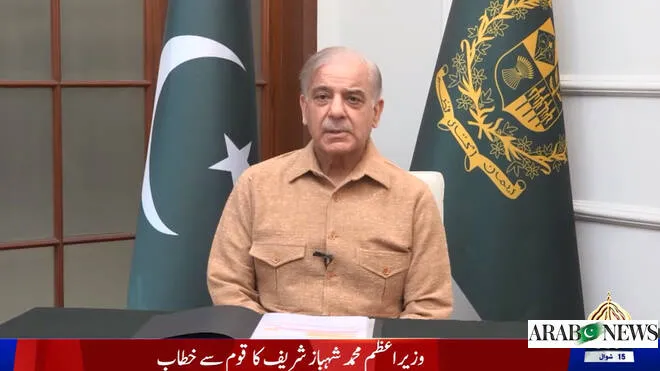
In a surprising turn of events, Pakistan’s Prime Minister Shehbaz Sharif announced on April 3, 2026, a reduction in petrol prices by Rs80 per liter, bringing the new price down to Rs378 from Rs458.41. This announcement comes just a day after a significant increase of Rs137.24 per liter was implemented, highlighting the volatility of fuel prices in the country.
The recent price adjustments are part of a broader strategy by the government to alleviate the financial burden on consumers, particularly motorbike users, farmers, and those reliant on freight and public transport. The Prime Minister stated, “With this in mind, I would like to announce today that the price of petrol, which is Rs. 458 per liter, will be reduced to Rs. 378 per liter.” This reduction is expected to remain in effect for at least one month.
In conjunction with the petrol price cut, diesel prices have also seen a significant increase, rising by Rs184.49 per liter to reach Rs520.35. This dual approach of raising diesel prices while reducing petrol costs has drawn mixed reactions from the public and political figures alike. The cumulative increase in petrol prices over the past month stands at a staggering 63%, raising concerns about the overall economic impact.
The government has also announced targeted subsidies aimed at easing the financial strain on specific groups. These subsidies are designed to support motorbike users, farmers, freight transport, and public transport services, which have been particularly hard hit by rising fuel costs. To finance the petrol price reduction, the petroleum levy was cut by Rs80 per liter, although it was previously increased to Rs160.61 per liter.
Reactions to the recent price changes have been swift, with opposition leaders voicing their discontent. Hafiz Naeemur Rehman stated, “The brutal increase in the price of petrol and diesel is unacceptable,” reflecting widespread frustration among citizens. Junaid Akbar Khan criticized the government’s handling of the situation, claiming, “This incompetent and thieving government was imposed on Pakistan. Last night, this imposed government dropped a petrol bomb on the people.”
Public sentiment remains tense, as many citizens are questioning how long they will be expected to bear the burden of fluctuating fuel prices. Natasha Daultana, another opposition figure, posed a poignant question: “How long are citizens expected to carry this burden?” This sentiment underscores the growing dissatisfaction with the government’s economic policies.
The backdrop to these developments includes a recent spike in consumer prices for diesel and petrol, which rose by approximately 20 percent last month due to escalating oil prices driven by geopolitical tensions, notably the US-Israeli conflict with Iran. This context has made the recent price adjustments even more critical as the government navigates a challenging economic landscape.
As the situation evolves, the government’s strategy to manage fuel prices and provide targeted relief will be closely monitored by both the public and political analysts. Details remain unconfirmed regarding the long-term sustainability of these measures and their effectiveness in addressing the underlying issues of rising fuel costs.