









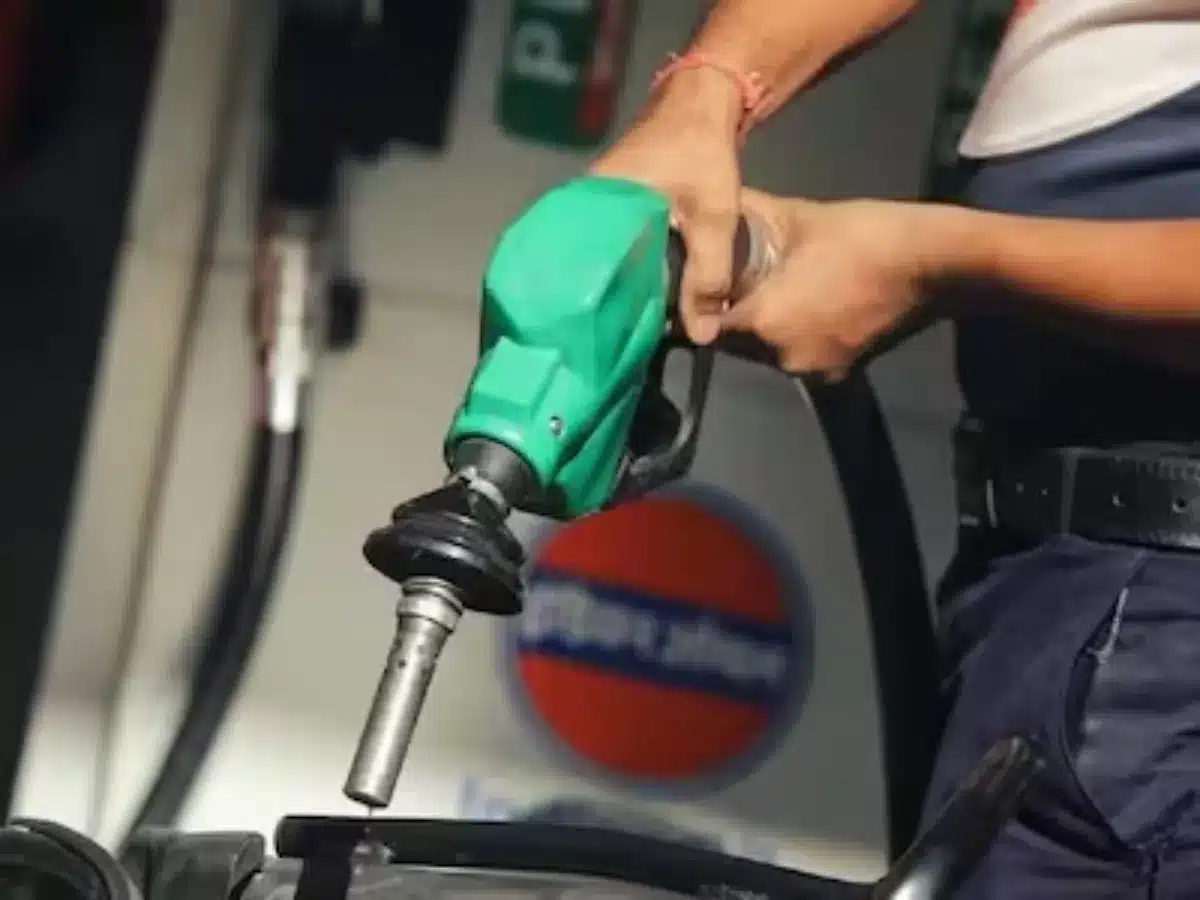
On March 27, 2026, India announced a substantial reduction in fuel taxes as a response to rising global energy prices, particularly following the escalation of the Iran war. This decision was made to protect consumers from the financial strain caused by surging oil prices, which have now exceeded $100 per barrel.
Prior to this announcement, the excise duty on petrol was set at 13 rupees per litre. However, the government has now slashed this duty to just 3 rupees per litre. Additionally, the previous duty on diesel, which was 10 rupees per litre, will be completely eliminated.
According to Union Minister Nirmala Sitharaman, “This will provide protection to consumers from rise in prices.” The government’s move comes amid concerns that without such measures, fuel prices could drastically increase, impacting the daily lives of millions of citizens.
Hardeep Singh Puri, another key figure in the government, noted that authorities faced a difficult choice between allowing fuel prices to rise sharply or absorbing a significant financial hit to shield consumers. The annualised fiscal impact of these tax cuts is estimated at nearly 1.55 trillion rupees.
Despite these cuts, the government has also raised duties on diesel exports to 21.5 rupees per litre and on aviation turbine fuel to 29.5 rupees per litre. This indicates a strategic approach to manage domestic fuel prices while still capitalizing on export opportunities.
India, being the world’s third-largest crude importer, has been navigating complex global energy dynamics. Current reserves are projected to last for 74 days amid ongoing geopolitical tensions.
As of now, there has been no increase in the rates of petrol and diesel, despite circulating rumors suggesting otherwise. Sujata Sharma, a spokesperson, confirmed that the prices remain stable for the time being.
Details remain unconfirmed regarding whether these tax cuts will lead to a significant change in pump prices for ordinary consumers. The situation continues to evolve as the government monitors global market conditions.
This sequence of events is crucial for consumers, as it directly impacts their daily expenses and overall economic stability. The government’s proactive measures aim to alleviate some of the financial burdens faced by households during this turbulent period.