









Prior Expectations for Elio
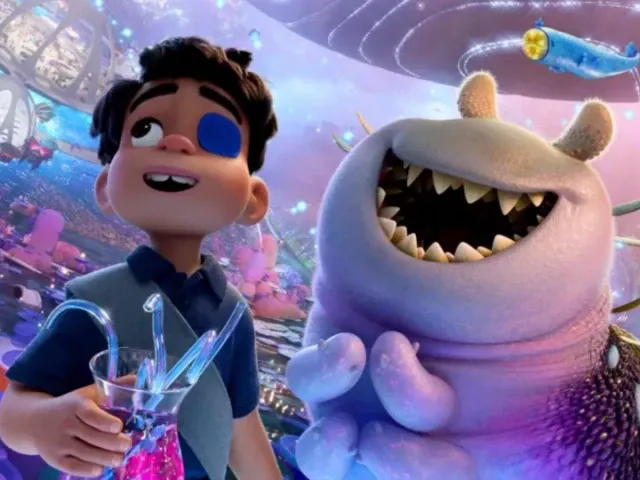
Before the recent developments surrounding Pixar’s animated film Elio, expectations were high for a project that promised to explore themes of identity and belonging. The film, which follows an 11-year-old boy who feels like an outsider on Earth and is transported into space, was initially set to include elements that hinted at the title character’s possible queer identity. Early versions of the script contained scenes suggesting this aspect, which resonated with many who hoped for greater representation in animated films.
The Decisive Moment
However, a significant turning point occurred when early test screenings produced weak audience responses. In response to this feedback, Pete Docter revealed that Pixar decided to remove the LGBTQ-related storyline from Elio. He stated, “We’re making a movie, not hundreds of millions of dollars of therapy,” indicating a shift in focus towards broader audience appeal. This decision led to substantial reworking of the film, including the departure of the original director, Adrian Molina, during the overhaul.
Direct Effects on the Production
Following these changes, directors Madeline Sharafian and Domee Shi took the helm, making extensive adjustments to the story and character details. The film, which had a production budget of approximately USD 150 million, excluding global marketing expenses, was ultimately released worldwide. By the end of its theatrical run, Elio grossed about USD 150 million globally, a figure that reflects both the film’s production costs and the challenges it faced in the market.
Reactions from the Pixar Workforce and Audiences
The alterations to Elio sparked criticism within the Pixar workforce and among audiences. Many felt that the removal of identity-related themes was a step backward for the studio, which has faced ongoing debates about representation in recent years. Some former staff members expressed disappointment, highlighting a growing concern that the studio was scaling back on important identity-related narratives that could resonate with viewers.
Expert Perspectives
Critics have pointed out that while the universe in Elio is visually stunning, the decision to prioritize broader appeal over deeper emotional exploration may have diluted the film’s potential impact. One critic noted, “The universe in Elio is stunning, but it feels like the makers took the easier route of creating colourful characters to relate with younger audiences rather than sending you to a place where it could be truly deeply felt.” This sentiment underscores the tension between commercial viability and artistic integrity in animated storytelling.
Looking Ahead
As the film industry continues to evolve, the changes made to Elio serve as a reminder of the complexities involved in balancing audience expectations with the desire for authentic representation. The discussions surrounding this film reflect broader societal conversations about identity and the importance of inclusivity in media. While Elio has found a place in theaters, the implications of its production choices will likely resonate within Pixar and the animation industry for years to come.
In summary, the journey of Elio from its initial concept to its final release illustrates the challenges faced by creators in navigating audience expectations and representation. As Pete Docter and his team at Pixar continue to push the boundaries of animated storytelling, the lessons learned from Elio may influence future projects and the ongoing dialogue about diversity in film.